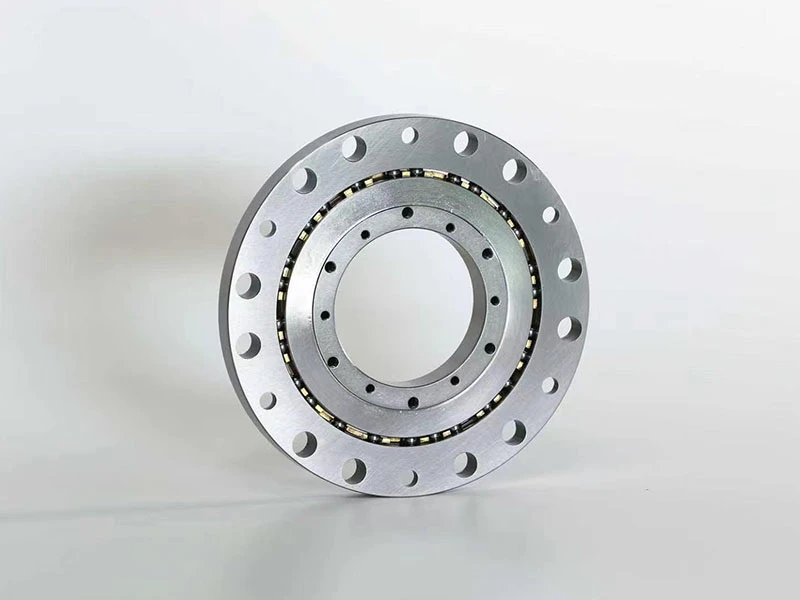
BOBI Custom Bearings

We Can Tailor Bearing Solutions to Your Specific Needs

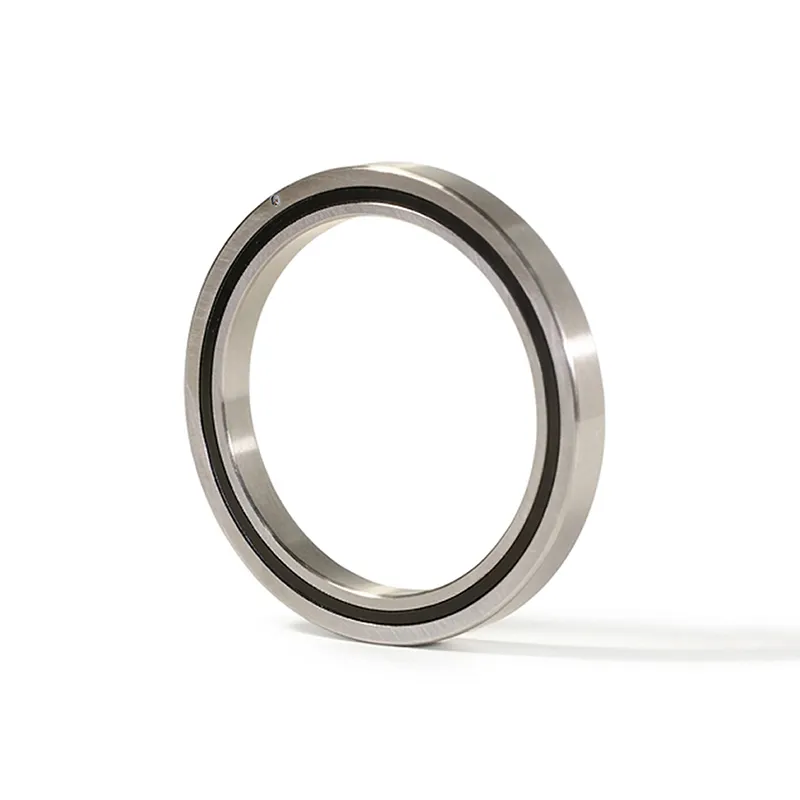
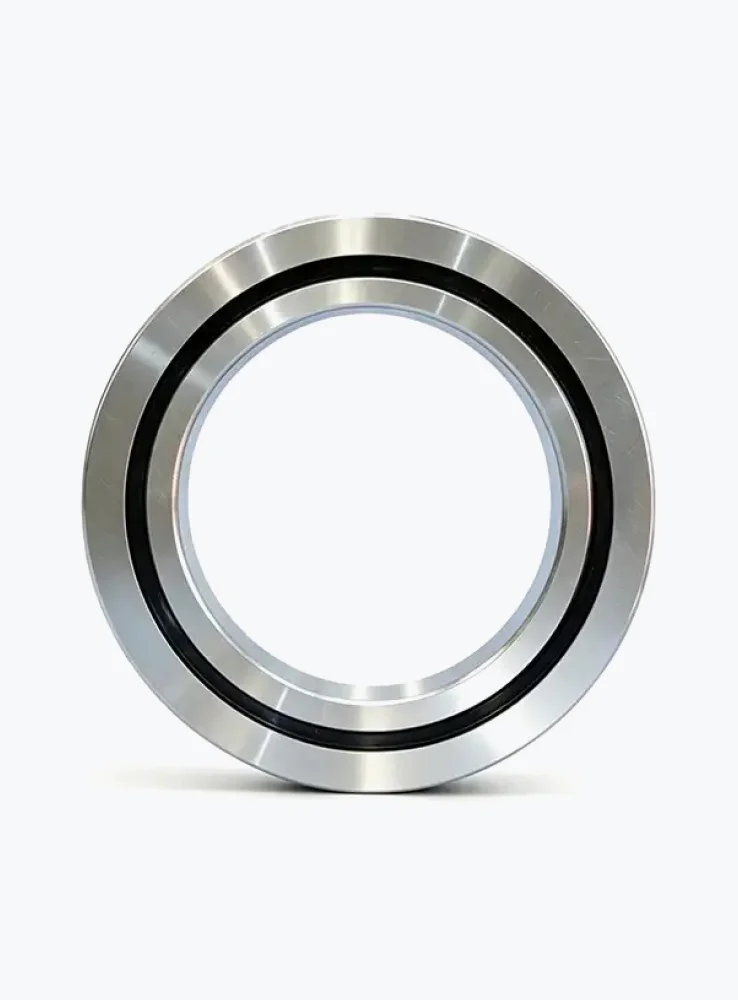
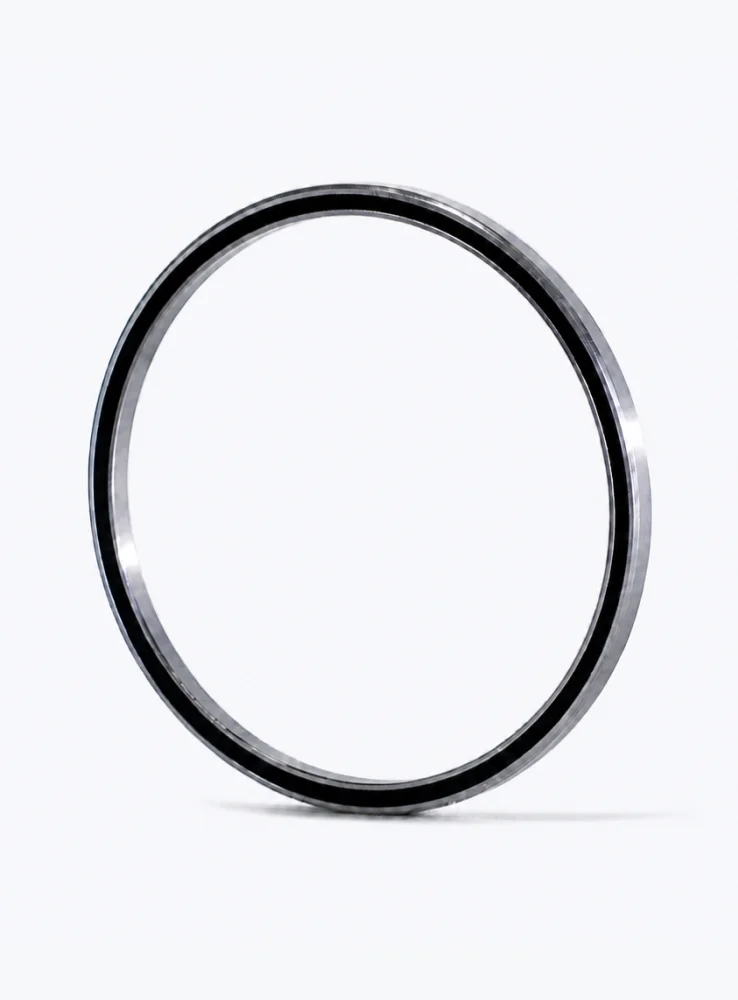
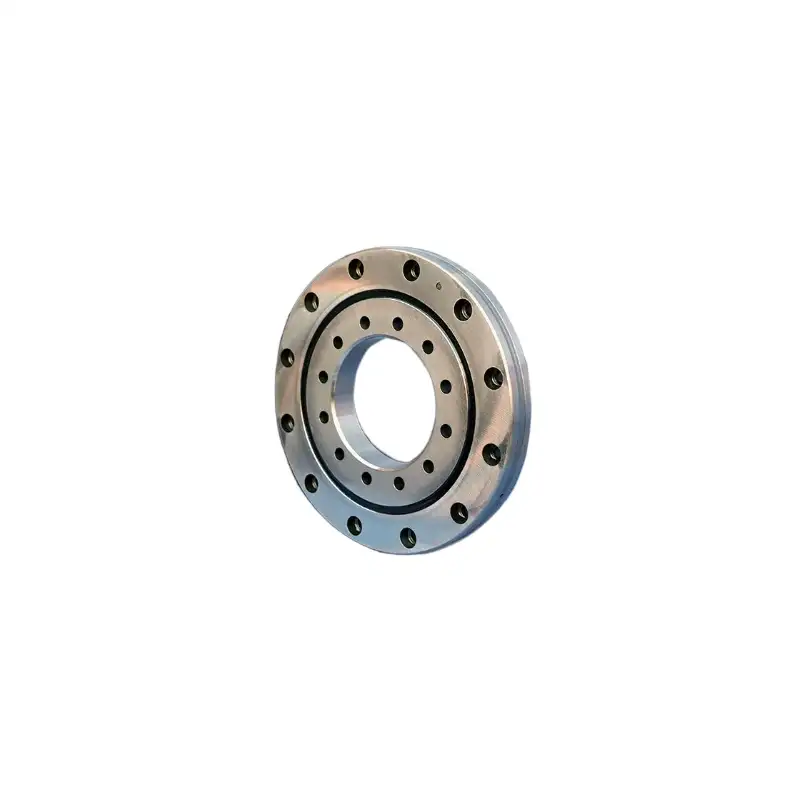
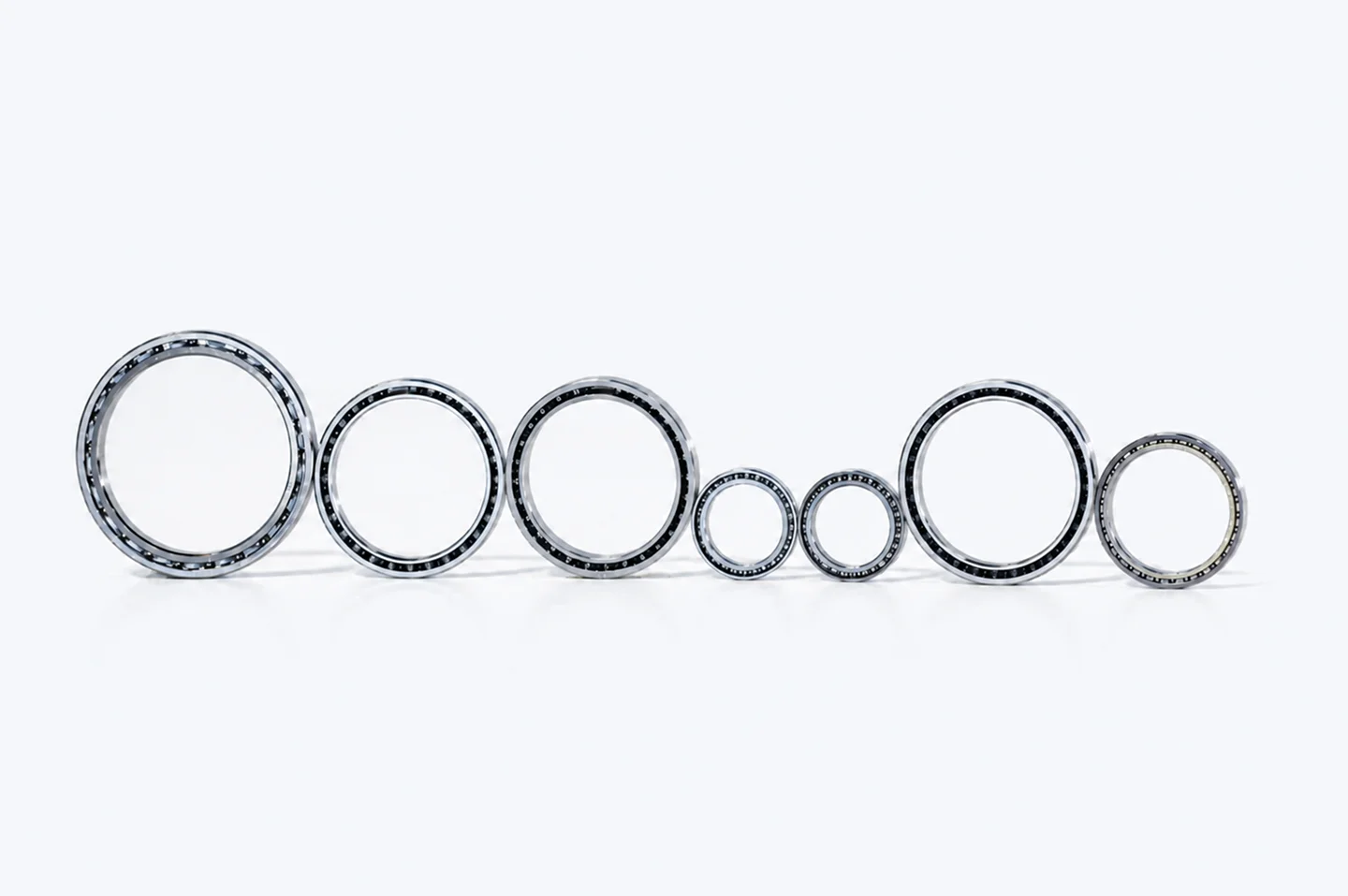
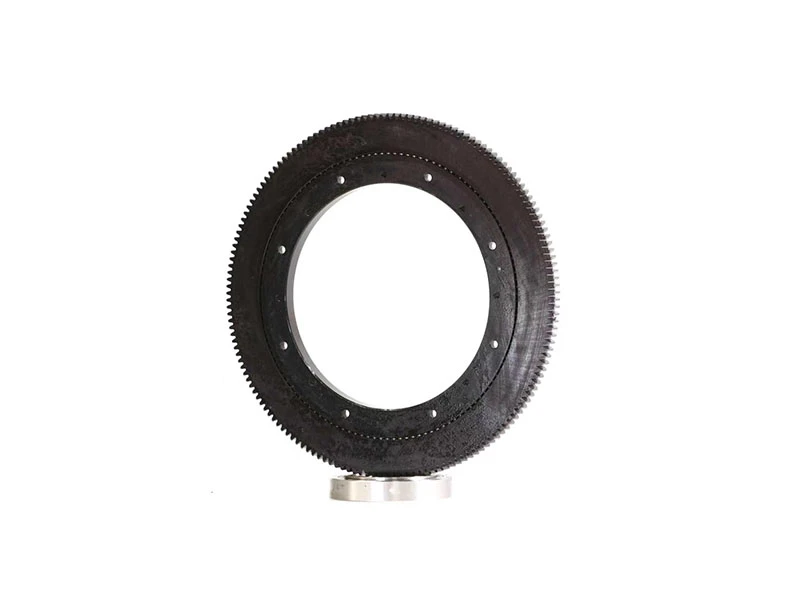
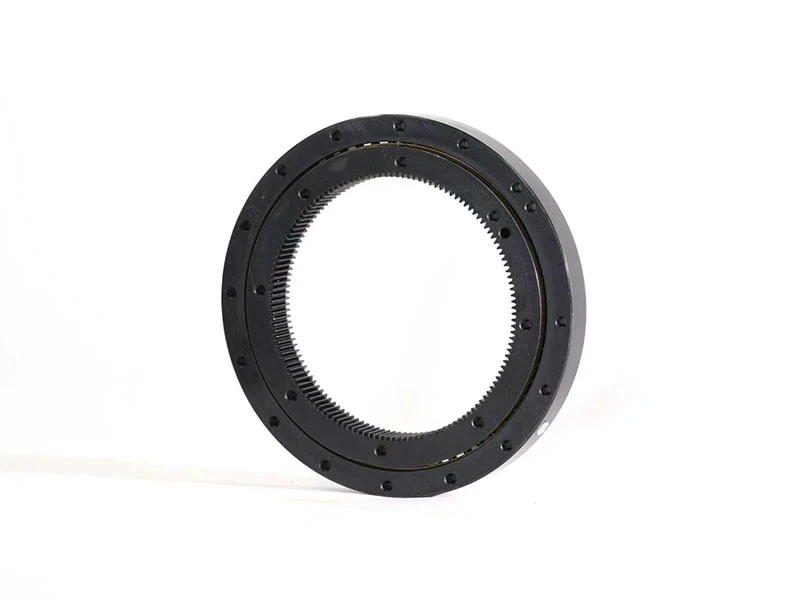
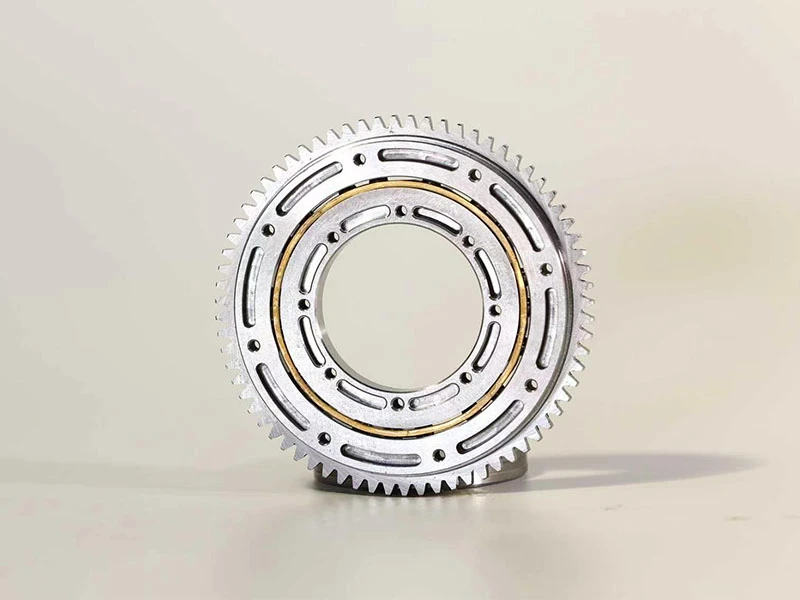
BOBI offers customized bearing design and manufacturing for unique mechanical, environmental, or dimensional requirements, designed to meet specific needs. We have a professional design team to address all your concerns and questions.
Custom Bearings
Custom Bearings
Custom Bearings for Precision Motion and Demanding Industrial Applications
Custom bearings are engineered to meet non-standard mechanical and environmental requirements. With flexible design in structure, materials, sealing, and dimensions, they ensure precise motion control, high load capacity, and reliable performance across demanding industrial applications.
  • 01
    02
    03
    04
    01
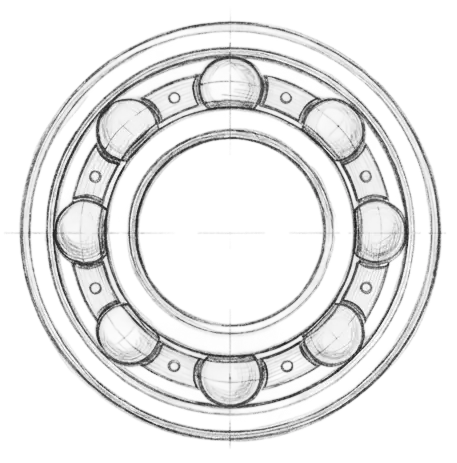
    Custom bearings are specially designed and manufactured rolling or plain bearings that are adapted to meet unique mechanical, environmental, or dimensional requirements. These bearings are not limited to standard catalog specifications and can be modified in terms of: Internal structure (ball, roller, tapered, or cross-roller configurations) Load capacity and rotational speed requirements Material selection for rings, cages, and rolling elements Sealing and lubrication systems for specific environments Dimensional design to fit non-standard machinery interfaces In industrial applications where precision and reliability are critical, custom bearings serve as a key mechanical component that ensures stable motion control and efficient power transmission.
Key Advantages
Key Advantages of Custom Bearingss
Custom bearings are designed to deliver tailored performance where standard solutions fall short.

By adapting structure, materials, and functional components to specific operating conditions, these bearings provide enhanced precision, durability, and efficiency.
  • 01
    Optimized Performance for Specific Applications
    Custom bearings are engineered based on actual operating parameters rather than generalized assumptions. This allows the bearing to perform more efficiently under real-world conditions, including heavy radial or axial loads, vibration impact, or high-temperature environments.
  • 02
    Extended Service Life and Reduced Downtime
    By selecting appropriate materials and structural designs, custom bearings reduce wear and friction. This directly contributes to longer operational life cycles and minimizes unexpected equipment shutdowns, which is especially valuable in continuous production industries.
  • 03
    Improved System Compatibility
    Many industrial machines require non-standard dimensions or special mounting interfaces. Custom bearings are designed to integrate seamlessly into existing systems without requiring major structural modifications, reducing installation complexity and cost.
  • 04
    Enhanced Material and Environmental Resistance
    Depending on application needs, custom bearings can be manufactured using stainless steel, alloy steel, ceramic components, or corrosion-resistant coatings. This makes them suitable for harsh environments such as marine engineering, chemical processing, and mining equipment.
  • 05
    Engineering Flexibility and Design Support
    Customers benefit from technical collaboration during the design stage. Engineering teams evaluate load conditions, speed profiles, temperature ranges, and lubrication strategies to deliver a solution that meets both performance and budget expectations.
Key Advantages
Next Step
Use our product tables above to find candidate series, then contact our technical team with your specific parameters (d, D/C, loads, speed) for a formal recommendation and life calculation.
Submit Ypur Request
Questions and Answers
Custom Bearings FAQ
  • What are Custom Bearings used for?

    Custom bearings are used in machinery where standard bearings cannot meet performance or dimensional requirements. They are commonly applied in heavy-duty equipment, precision systems, high-speed machinery, and environments with extreme temperature, load, or corrosion conditions. These bearings help improve system stability and operational efficiency in specialized industrial applications.

  • How are Custom Bearings different from standard bearings?

    Standard bearings are manufactured according to fixed catalog dimensions and performance limits. Custom bearings, however, are designed based on specific engineering requirements such as load type, speed, installation space, and environmental conditions. This allows engineers to optimize performance rather than adapting equipment to standard parts.

  • Can Custom Bearings be designed for extreme environments?

    Yes, custom bearings can be engineered for extreme operating conditions. Manufacturers can select specialized materials, heat treatments, and sealing systems to handle high temperatures, heavy contamination, strong vibration, or corrosive environments such as marine or chemical processing industries.

  • What materials are available for Custom Bearings?

    Custom bearings can be produced using a variety of materials depending on application needs. Common options include high-carbon chromium steel for general industrial use, stainless steel for corrosion resistance, alloy steel for heavy loads, and ceramic hybrid materials for high-speed and low-friction performance.

  • What information is required to design a custom bearing?

    To design a suitable custom bearing, engineers typically require detailed application data, including load conditions (radial and axial), rotational speed, operating temperature, installation dimensions, and environmental factors. The more accurate the data provided, the more optimized the final design will be.

  • How long does it take to produce Custom Bearings?

    Production time depends on design complexity, material selection, and order quantity. Simple modifications may take a few weeks, while fully customized engineering solutions involving testing and validation may require a longer lead time. A structured engineering process is usually followed to ensure quality and reliability.

  • Are custom bearings more expensive than standard bearings?

    Custom bearings generally have a higher initial cost due to engineering design, material selection, and production complexity. However, they often provide lower total lifecycle costs by reducing downtime, improving efficiency, and extending service life in demanding applications.

  • Can custom bearings improve machine performance?

    Yes, properly designed custom bearings can significantly improve machine performance. They reduce friction, enhance load distribution, increase rotational accuracy, and improve durability under specific working conditions. This leads to more stable and efficient equipment operation.

  • Do custom bearings require special maintenance?

    Maintenance requirements depend on the design and application environment. Many custom bearings are engineered with optimized sealing and lubrication systems that reduce maintenance frequency. However, regular inspection and proper lubrication are still recommended to ensure long-term performance.

  • Can custom bearings replace existing standard bearings in machines?

    In many cases, custom bearings can be designed as direct replacements for standard bearings, especially when improvements in load capacity, lifespan, or environmental resistance are needed. However, proper engineering evaluation is necessary to ensure compatibility.


Related News
Related News
Read More News