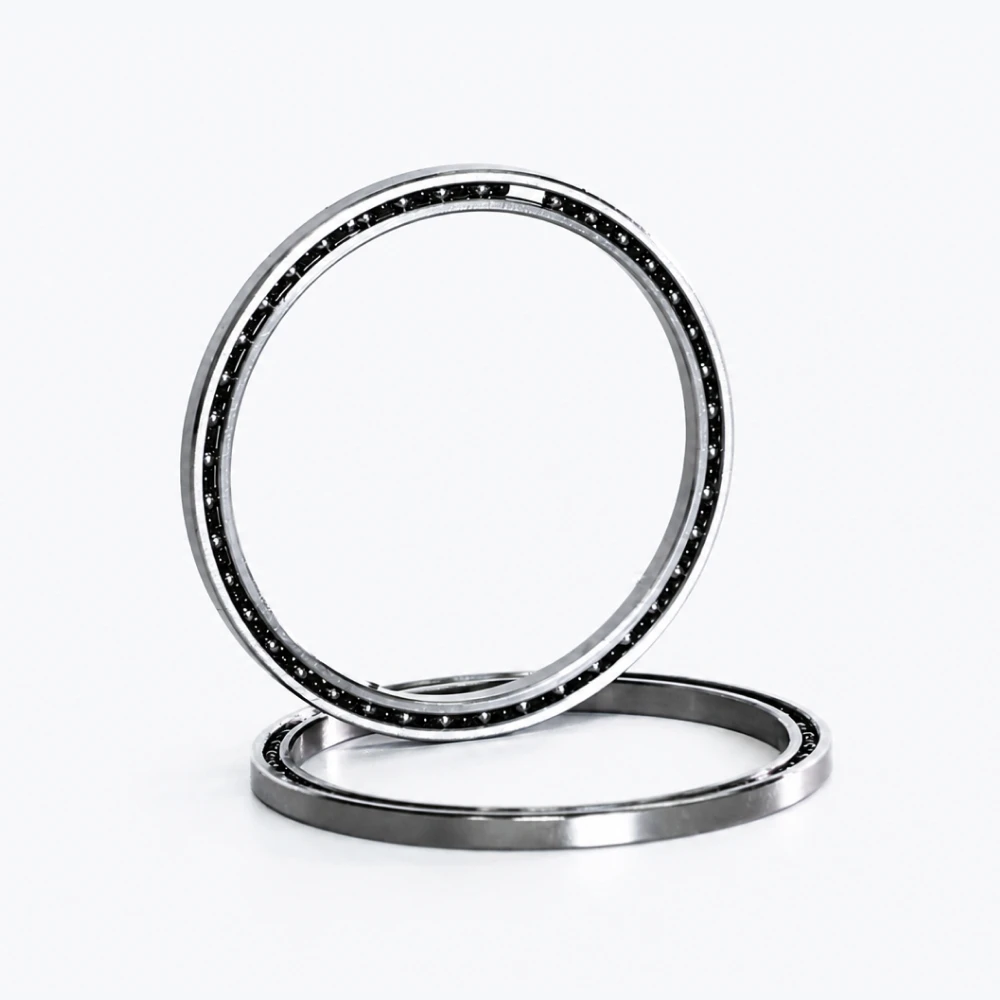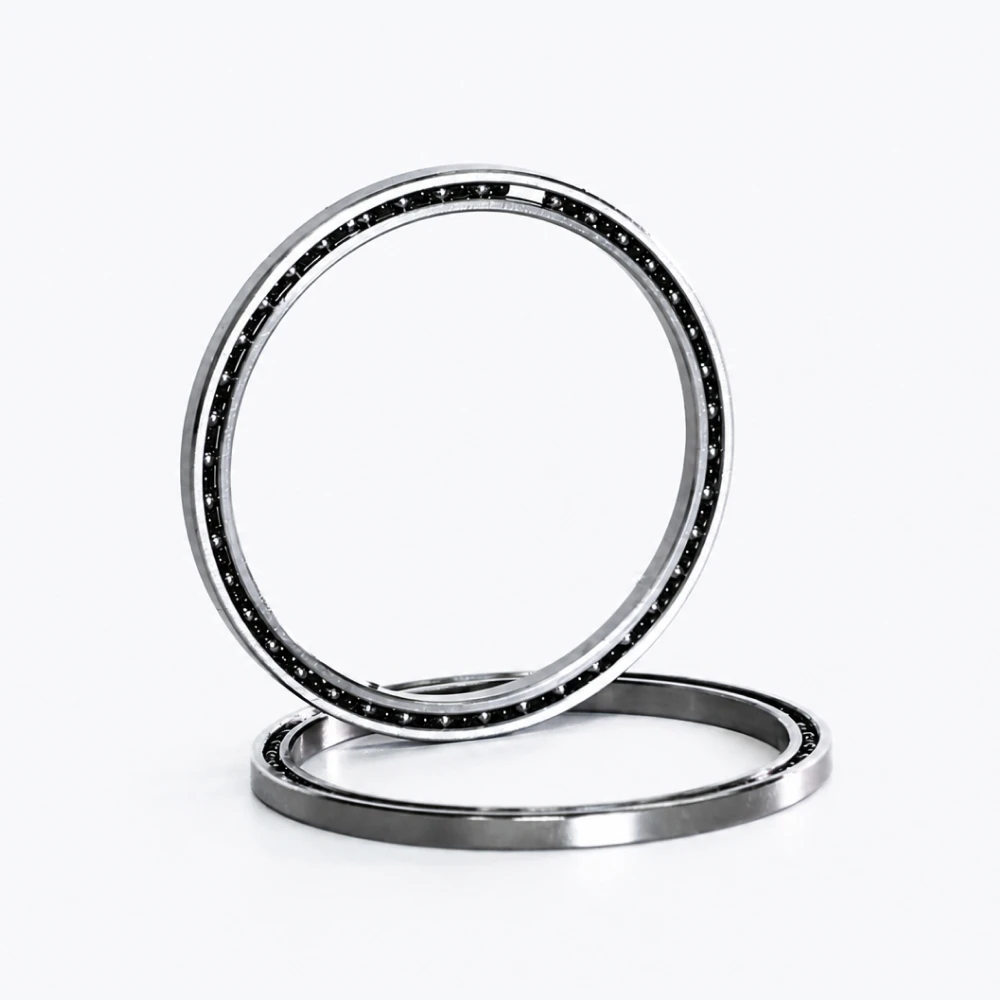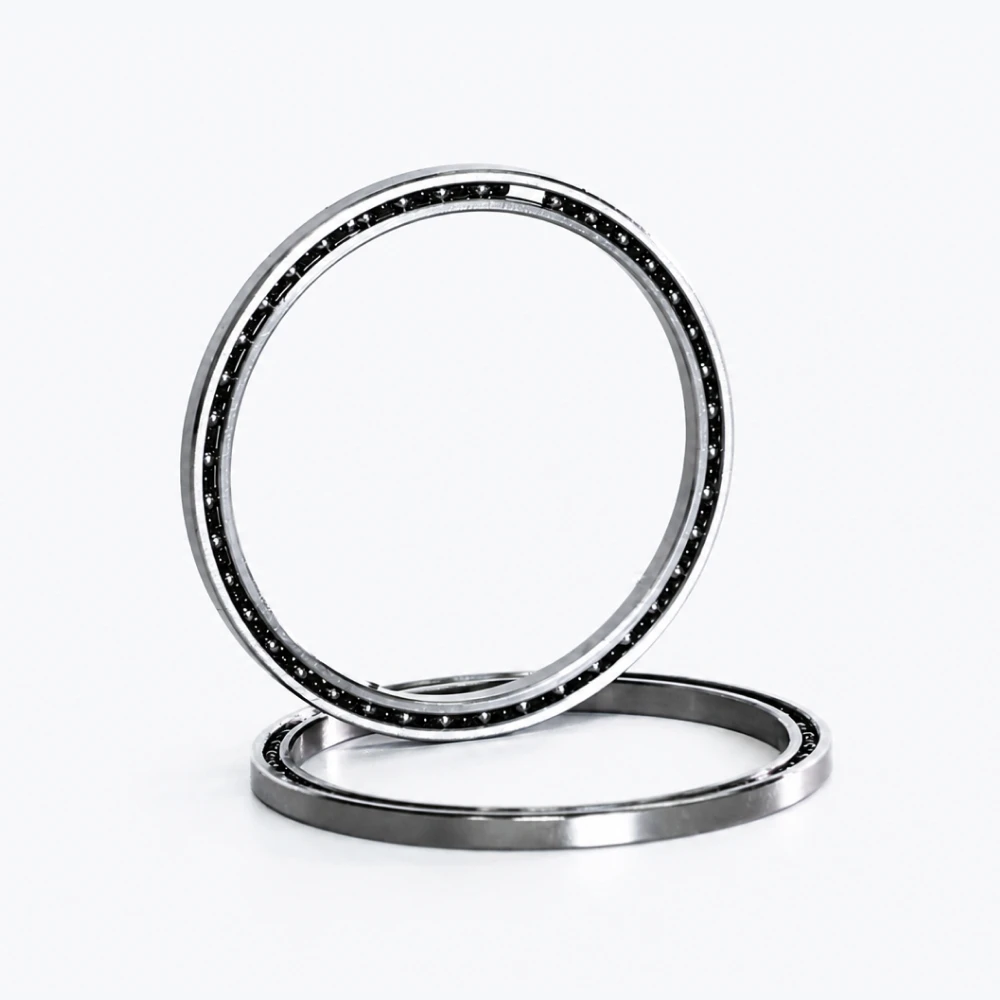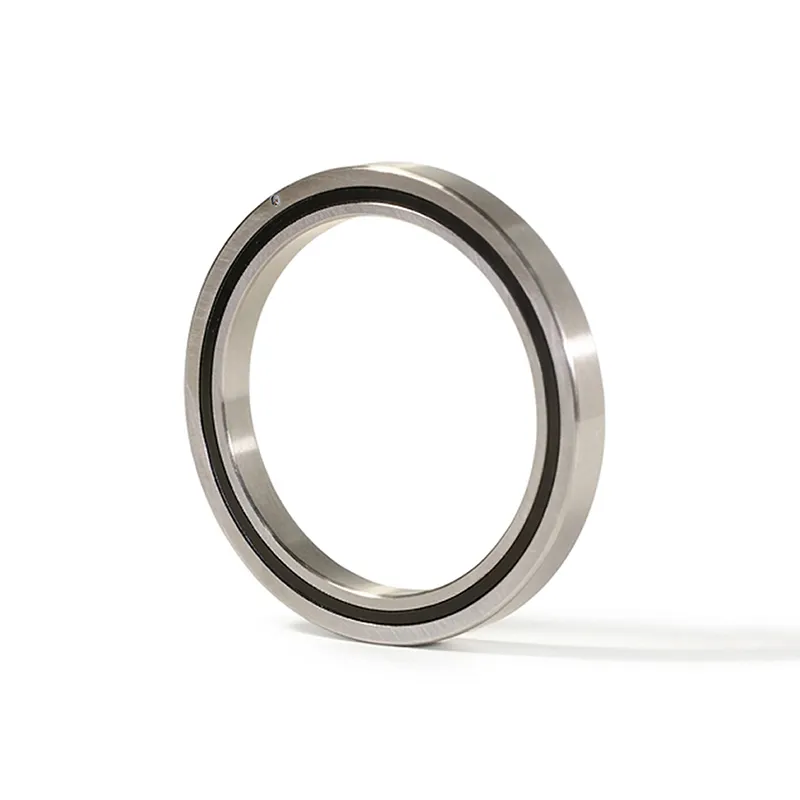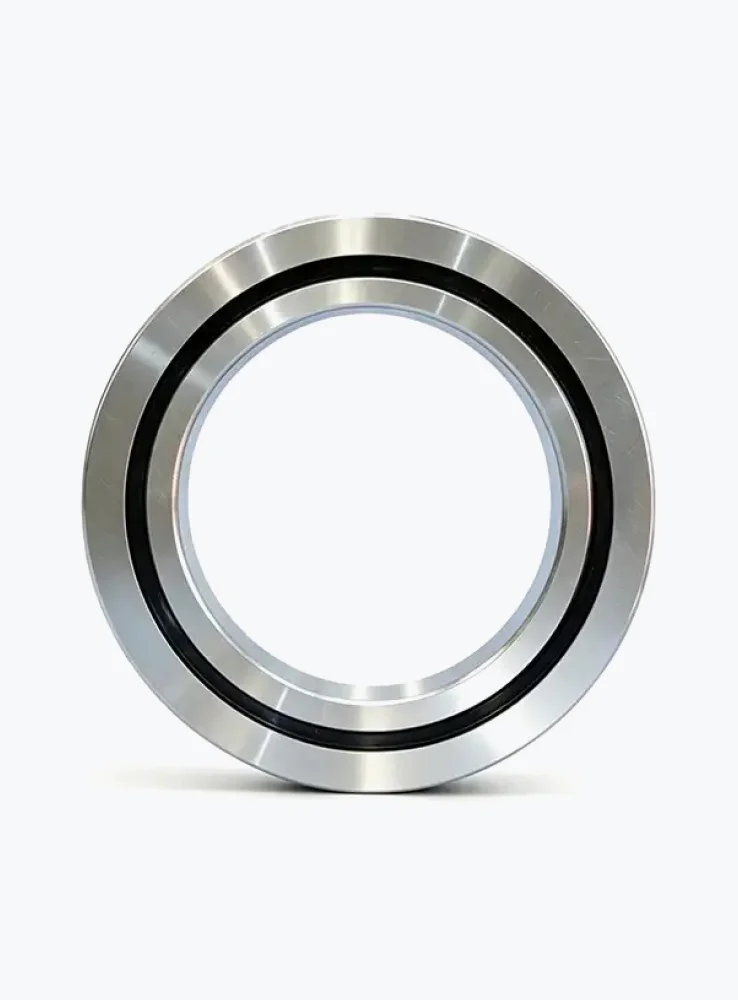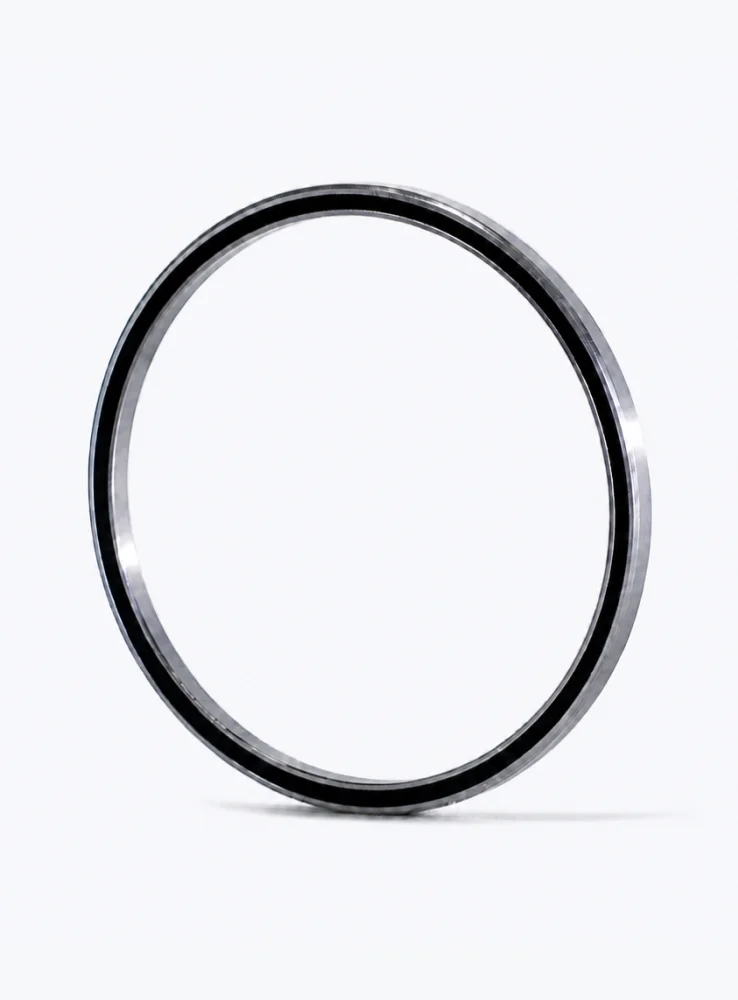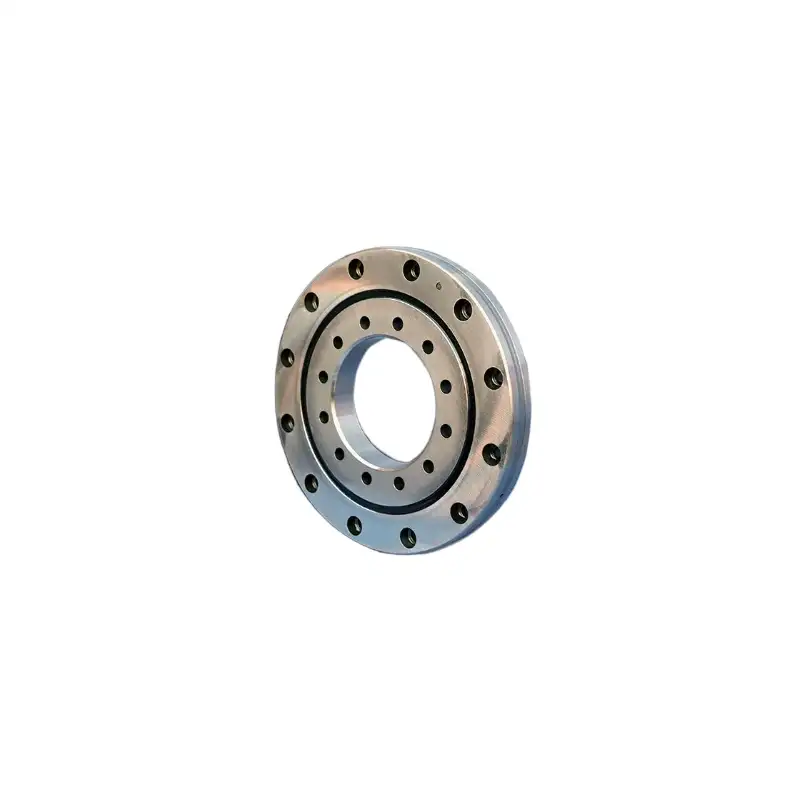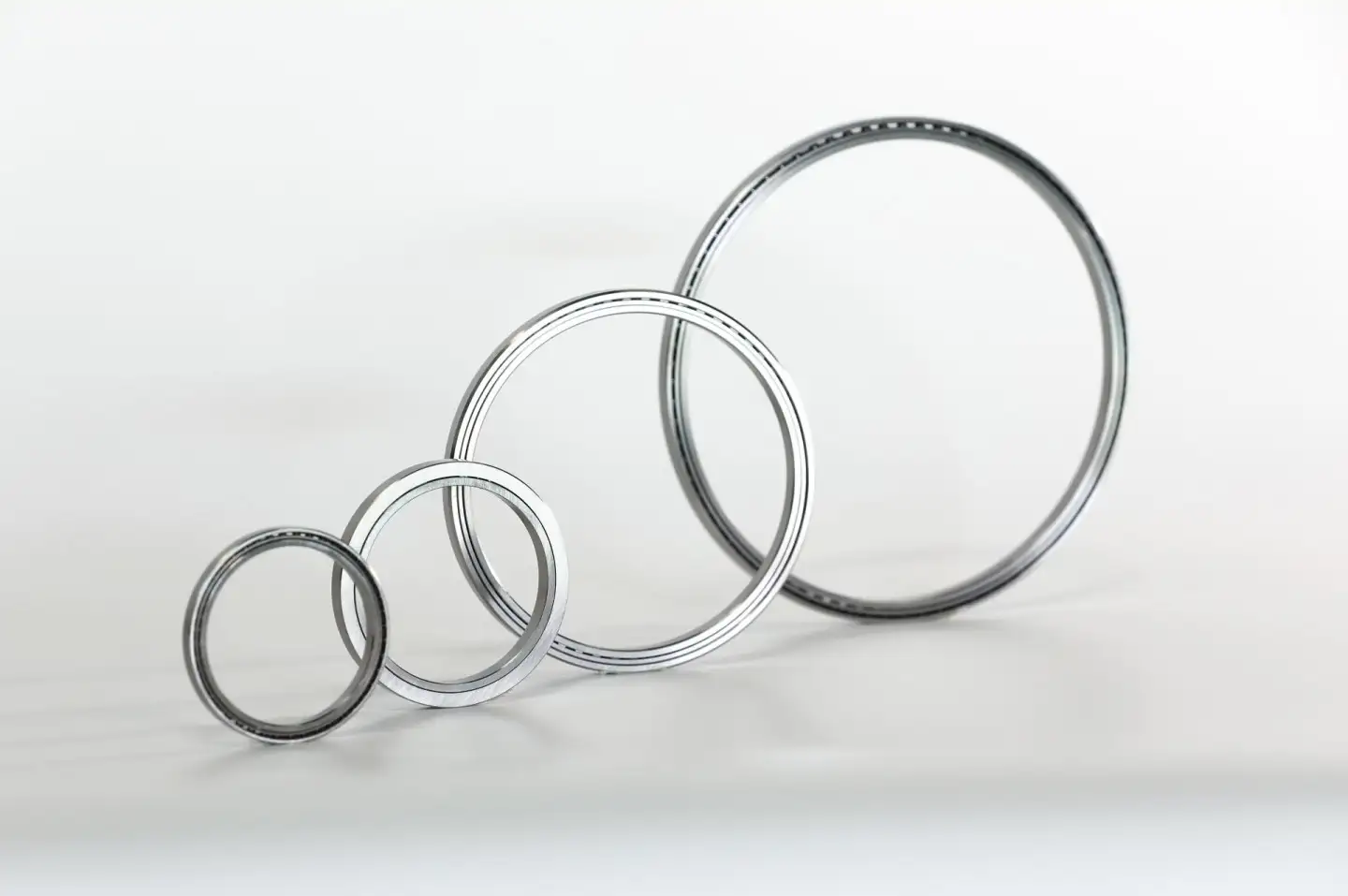
BOBI Stainless Steel Bearing

High Precision & Space-Saving Solutions

Discover Bobi's extensive range of stainless steel bearings designed for extreme environments, offering exceptional corrosion resistance and durability for food processing, medical, and chemical applications.
Stainless Steel Bearing
Product Range
Our Stainless Steel Bearing Product Range
Browse BOBI's comprehensive lineup of stainless steel bearings, from deep groove ball bearings to mounted units, all sized and rated for reliable performance in corrosive environments.

Below is a selection of our popular Stainless Steel Bearing series. Click on any product for detailed specifications, CAD downloads, and pricing information
Introduction
Stainless Steel Bearings for Corrosion-Resistant Performance
Stainless steel bearings are engineered to reduce friction while supporting radial and axial loads in demanding environments.
01
01
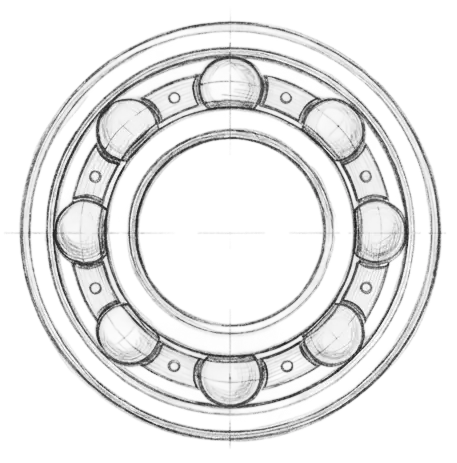
A stainless steel bearing is a mechanical component designed to reduce friction between moving parts while supporting radial or axial loads. Unlike conventional bearings made from chrome steel, these bearings use stainless steel for rings, balls, rollers, or housings.
02
02
When engineers need reliable motion control in wet, corrosive, or hygiene-sensitive environments, they often choose a stainless steel bearing. This type of bearing combines the rolling efficiency of standard bearings with the corrosion resistance of stainless steel, making it ideal for industries where ordinary carbon steel bearings may fail too quickly.
03
03
If you are searching for the right bearing for food equipment, marine systems, medical devices, or outdoor machinery, understanding how stainless steel bearings work can help you make a smarter purchasing decision.
Key Advantages
Key Advantages of Stainless Steel Bearing
Stainless steel bearings are bearings made from stainless steel alloys that provide superior resistance to rust, corrosion, and chemical attack.

They are essential components in environments where ordinary carbon steel bearings would fail due to moisture, acids, or high humidity.
  • 01
    Excellent Corrosion Resistance
    One of the most important advantages of stainless steel bearings is their resistance to rust and corrosion. Manufacturers usually produce these bearings from grades such as SUS440C, SUS304, or SUS316 stainless steel, depending on the operating environment.
  • 02
    Strong Mechanical Performance
    Many users assume corrosion resistance means lower strength, but high-quality stainless steel bearings can still provide excellent hardness and load capacity. For example, 440C stainless steel can be heat treated to achieve high hardness, making it a practical choice for rotating equipment that needs both strength and durability.
  • 03
    Hygienic and Easy to Clean
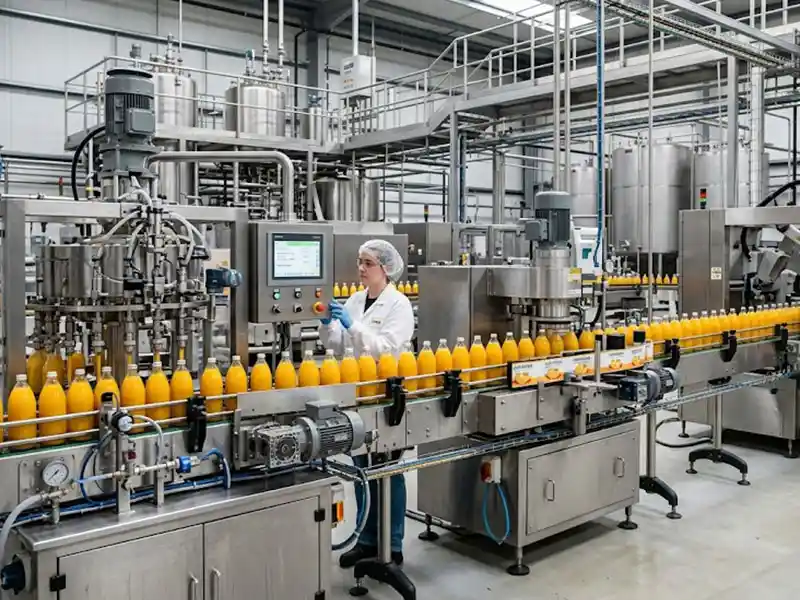
    Industries such as food production, pharmaceuticals, and beverage packaging need clean and sanitary components. Stainless steel bearing surfaces are smoother and easier to clean than many other materials. They also resist contamination and staining better in washdown environments.
  • 04
    Good Temperature Resistance
    Stainless steel bearings usually perform well in both low and high temperature environments when paired with suitable grease, seals, and cage materials. This makes them useful in refrigeration systems, ovens, drying equipment, and outdoor machinery exposed to seasonal temperature changes.
  • 05
    Low Maintenance in Harsh Conditions
    Because stainless steel bearings resist rust and surface damage, they often require less maintenance in wet or contaminated environments. Reduced corrosion means fewer shutdowns, less replacement frequency, and lower long-term maintenance costs.
  • 06
    Attractive Appearance and Long Service Life
    Many manufacturers and OEM buyers also value the clean metallic appearance of stainless steel bearings. In visible equipment such as medical devices, retail machines, or premium appliances, appearance matters alongside performance.
Key Advantages
Industries and Applications
Industries and Applications for Stainless Steel Bearings
Stainless steel bearings are critical in sectors that demand hygiene, corrosion resistance, and durability.
BOBI bearings are engineered to perform reliably in the following environments:
Food & Beverage Processing
Washdown conveyors, filling machines, mixers. Require 316 grade, food-grade grease, and sealed 2RS bearings to withstand CIP (Clean-in-Place) solutions.
Pharmaceutical & Medical
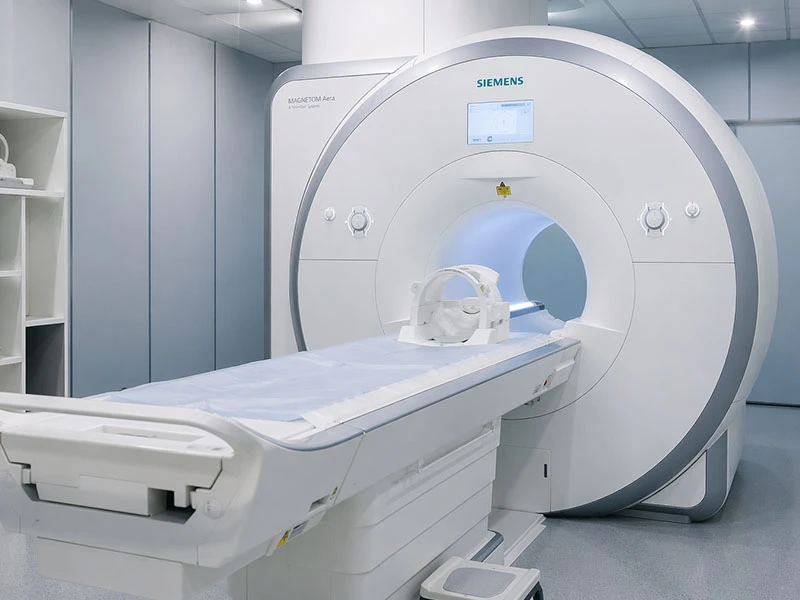
Centrifuges, packaging lines, MRI equipment. Non-magnetic 316 bearings prevent interference and contamination.
Chemical & Petrochemical
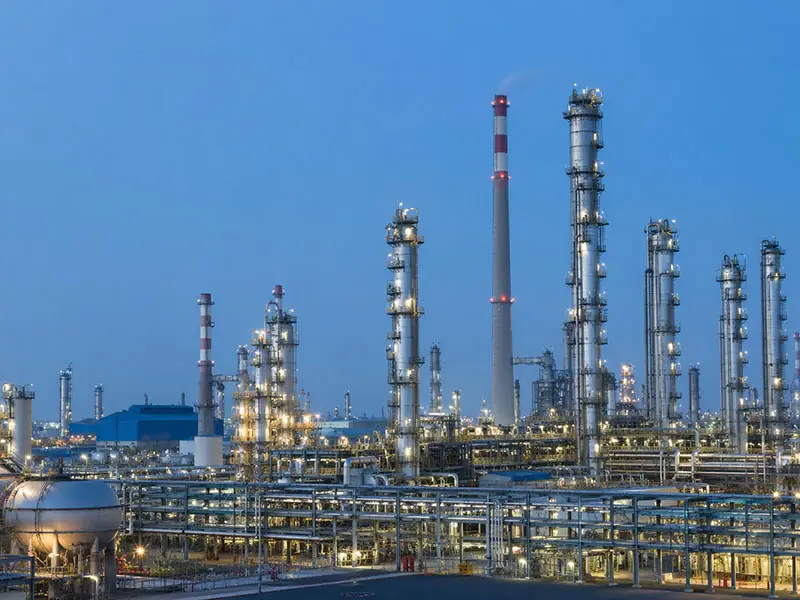
Pumps, agitators, compressors handling corrosive fluids. 316 or duplex stainless steel for aggressive media.
Marine & Offshore
Marine & Offshore
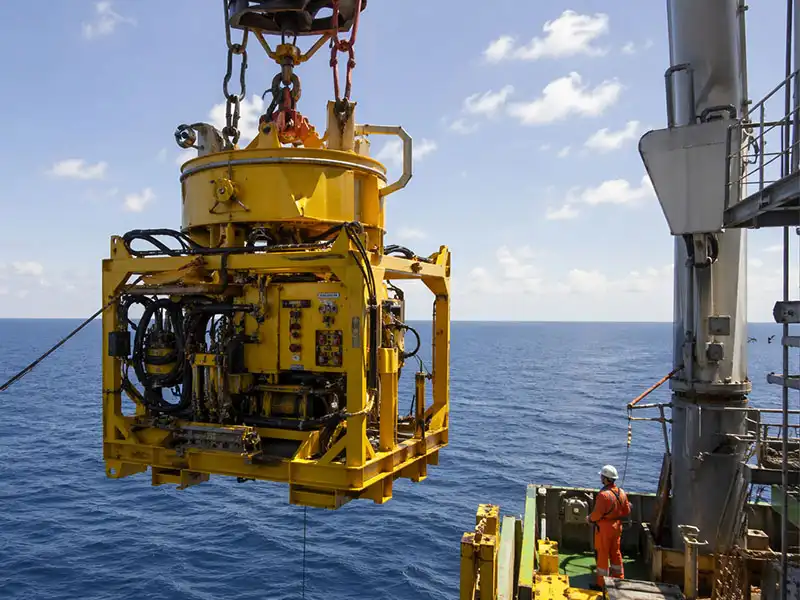
Deck equipment, propeller shafts, winches. 316 bearings resist saltwater corrosion and are often used with PTFE seals.
Water & Wastewater Treatment
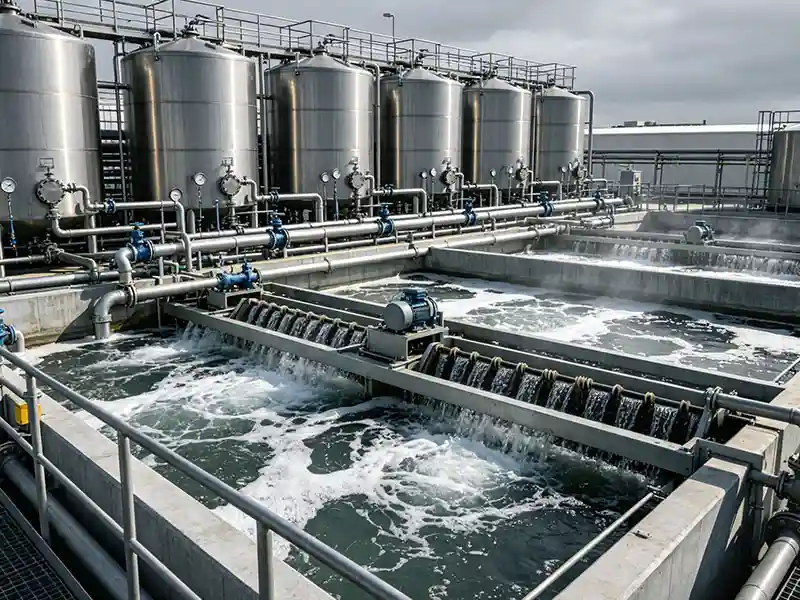
Aeration blowers, sludge pumps, gates. 304 or 440C bearings provide long-term reliability in humid environments.
Textile Machinery
Textile Machinery
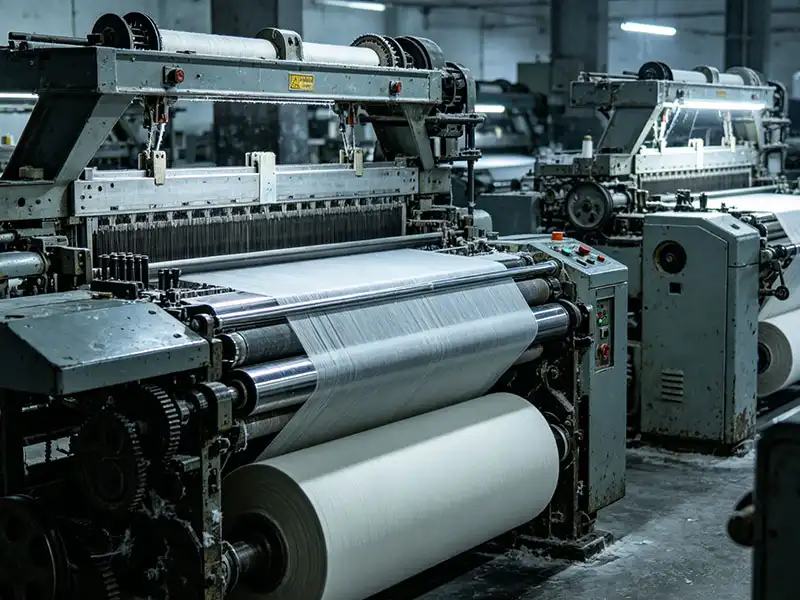
High-speed spindles, dyeing machines exposed to moisture and dyes. 440C bearings offer hardness and moderate corrosion resistance.
Outdoor & Agricultural Equipment
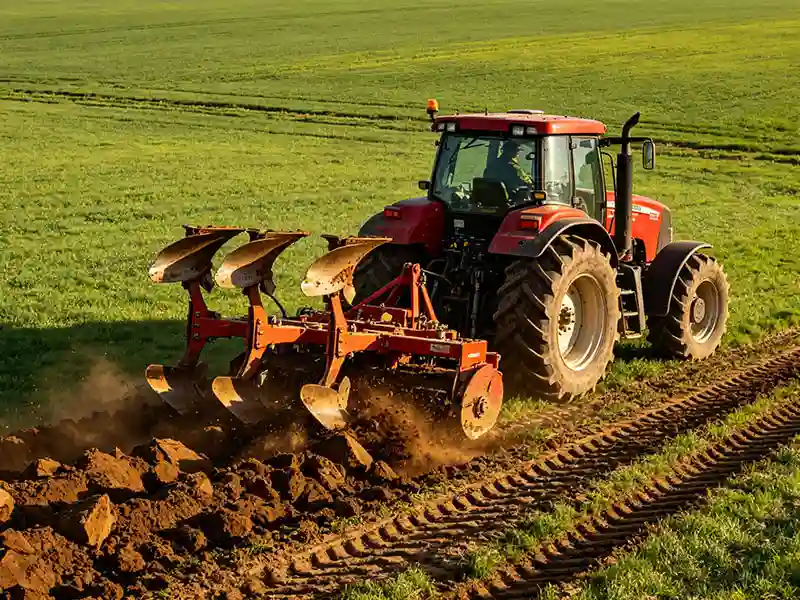
Greenhouses, irrigation systems, solar trackers. Sealed stainless steel bearings protect against rain and dust.
Automotive & Off-Highway
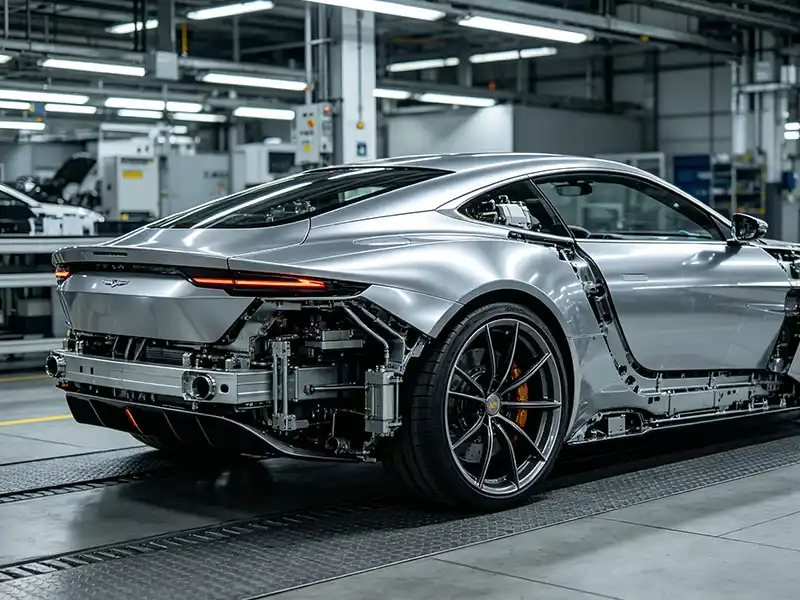
Exhaust gas recirculation pumps, steering columns, cooling fans where high temperatures and corrosion coexist.
How to Choose
Stainless Steel Bearing Selection Guide
Selecting the optimal stainless steel bearing involves evaluating load, speed, environment, and regulatory needs. Below is a selection guide and an overview of BOBI's quality management system.
01
Clearly Define the Application Environment
  • Environment

    The first step in selecting a stainless steel bearing is to understand the working environment in detail. Stainless steel is chosen mainly for its corrosion resistance, but different environments challenge bearings in different ways.

  • Define the Application

    For example, a bearing used in a marine environment must resist salt spray and continuous humidity exposure. In contrast, a bearing used in a food processing line must tolerate frequent washdowns, detergents, and strict hygiene requirements. Chemical plants may introduce acidic or alkaline exposure, which further narrows material options.

  • A clear environmental profile allows engineers to avoid over-specification or under-specification, both of which can increase long-term operational costs.
02
Determine Load Type and Magnitude
  • Evaluate Mechanical Loads

    After defining the environment, the next step is to evaluate mechanical loads. Stainless steel bearings must be selected based on how forces are applied during operation.

  • Load Types

    The main load types include radial loads, axial loads, or a combination of both. Equipment such as conveyor systems typically applies radial loads, while vertical lifting mechanisms may introduce higher axial forces. Many industrial machines generate dynamic loads that fluctuate during operation, which can significantly impact bearing fatigue life.

  • Engineers should also consider shock loads and vibration levels, as these conditions often require bearings with higher structural strength or specialized internal designs.
03
Analyze Speed and Operating Cycle
  • Speed

    Speed is another critical factor that directly influences bearing performance and lubrication requirements. Stainless steel bearings are often used in slower to moderate speed applications, especially in corrosive environments where lubrication is limited or challenging.

  • Operating Cycle

    Continuous operation, intermittent operation, and start-stop cycles all affect heat generation and wear patterns. A bearing operating at high speed under insufficient lubrication may experience premature failure even if the load rating appears acceptable on paper.

  • A realistic assessment of operating cycles helps ensure the selected bearing can maintain stable performance throughout its expected service life.
04
Select the Appropriate Stainless Steel Grade
  • Stainless Steel Materials

    Not all stainless steel materials provide the same level of corrosion resistance or mechanical strength. Common grades such as AISI 304 and AISI 316 are widely used, but their suitability depends on the application.

  • Material Properties

    AISI 304 stainless steel offers good general corrosion resistance and is often used in food-grade or indoor environments. AISI 316 stainless steel contains molybdenum, which significantly improves resistance to chlorides and is therefore preferred in marine or highly corrosive chemical environments.

  • Choosing the correct material grade is essential because it directly influences both durability and maintenance frequency.
05
Evaluate Sealing and Lubrication Requirements
  • Sealing

    Sealing design plays a key role in protecting stainless steel bearings from contamination and lubricant loss. In environments where water, dust, or cleaning agents are present, sealed or shielded bearings are often necessary.

  • Lubrication

    Lubrication is equally important. Some applications require food-grade lubricants, while others rely on high-temperature or long-life greases. In certain cases, engineers may consider maintenance-free bearing solutions with pre-lubrication to reduce downtime.

  • A well-matched sealing and lubrication system can significantly extend bearing service life and reduce operational interruptions.
06
Consider Dimensional Compatibility and Installation Constraints
  • Dimensions

    Even if a bearing performs well in theory, it must still fit within the mechanical design of the equipment. Engineers need to confirm shaft size, housing dimensions, and installation method before final selection.

  • Tolerance

    Misalignment tolerance is another important consideration. Some machinery experiences slight shaft misalignment during operation, and selecting a bearing with limited tolerance in such conditions can lead to premature wear.

  • Proper dimensional verification ensures smooth installation and prevents costly redesign or replacement.
07
Assess Maintenance Strategy and Lifecycle Cost
  • Lifecycle Cost

    Modern engineering decisions increasingly focus on total lifecycle cost rather than just initial purchase price. Stainless steel bearings are often more expensive than standard carbon steel alternatives, but they can significantly reduce maintenance frequency and downtime in corrosive environments.

  • Maintenance

    Engineers should evaluate how often maintenance is feasible, whether lubrication access is practical, and how bearing replacement would affect production downtime. In many cases, investing in higher-quality stainless steel bearings results in lower long-term operating costs.

08
Work with a Reliable Manufacturer
  • Reliable Manufacturer

    Finally, selecting a trustworthy supplier is essential for ensuring consistent product quality and technical support. A reliable manufacturer should provide material certifications, load rating data, and engineering guidance based on real application experience.

  • In industrial applications where failure can lead to production loss or safety risks, supplier credibility becomes just as important as product specifications.
Next Step
Use our product tables above to find candidate series, then contact our technical team with your specific parameters (d, D/C, loads, speed) for a formal recommendation and life calculation.
Submit Ypur Request
Questions and Answers
Stainless Steel Bearing FAQ
  • What is a stainless steel bearing?

    A stainless steel bearing is a rolling-element bearing manufactured mainly from stainless steel materials such as AISI 440C, AISI 304, or AISI 316. These bearings are designed to resist corrosion, moisture, chemicals, and contamination while maintaining smooth rotational performance. Stainless steel bearings are widely used in food processing, medical devices, marine systems, and clean environments.

  • What are the main advantages of stainless steel bearings?

    Stainless steel bearings offer several important benefits:

    Excellent corrosion resistance;

    Good durability in wet or humid environments;

    Hygienic surface suitable for washdown applications;

    Low maintenance requirements;

    Attractive appearance for exposed equipment;

    Reliable performance in light to medium loads.

    These benefits make them ideal for industries where standard carbon steel bearings may rust quickly.

  • Are stainless steel bearings rust-proof?

    Stainless steel bearings are highly rust-resistant, but no metal bearing is completely rust-proof in every condition. Chlorides, saltwater exposure, poor lubrication, and contamination can still cause corrosion over time. Choosing the correct grade such as 316 stainless steel greatly improves resistance in harsh environments.

  • Can stainless steel bearings handle heavy loads?

    Yes, but capacity depends on bearing design and material grade. Standard stainless steel bearings usually have slightly lower load capacity than chrome steel bearings because stainless steel has different hardness and fatigue properties. For heavy-duty use, proper sizing and engineering selection are important.

  • Do stainless steel bearings need lubrication?

    Yes. Most stainless steel bearings still require lubrication unless they use dry-running polymer cages or special self-lubricating designs. Proper grease or oil helps reduce friction, noise, wear, and corrosion risk. In food applications, food-grade lubricants are often recommended.

  • How long do stainless steel bearings last?

    Service life depends on:

    Operating load;

    Rotation speed;

    Lubrication quality;

    Temperature;

    Moisture exposure;

    Installation accuracy;

    Maintenance schedule.

    With correct use, stainless steel bearings can provide long and reliable service.

  • How do I choose the right stainless steel bearing?

    Consider these factors:

    Shaft and housing dimensions;

    Radial and axial loads;

    Operating speed;

    Temperature range;

    Exposure to water, chemicals, or salt;

    Hygiene requirements;

    Required service life;

    Budget target.

    Working with an experienced bearing supplier helps ensure correct selection.

  • Why choose a professional stainless steel bearing manufacturer?

    A reliable manufacturer can provide:

    Stable material quality;

    Precision machining;

    Strict quality inspection;

    OEM / ODM support;

    Fast delivery;

    Technical selection guidance;

    Long-term supply consistency.

Related News
Related News
Read More News