Home- Stainless Steel Bearing-Stainless Steel Angular Contact Ball Bearings
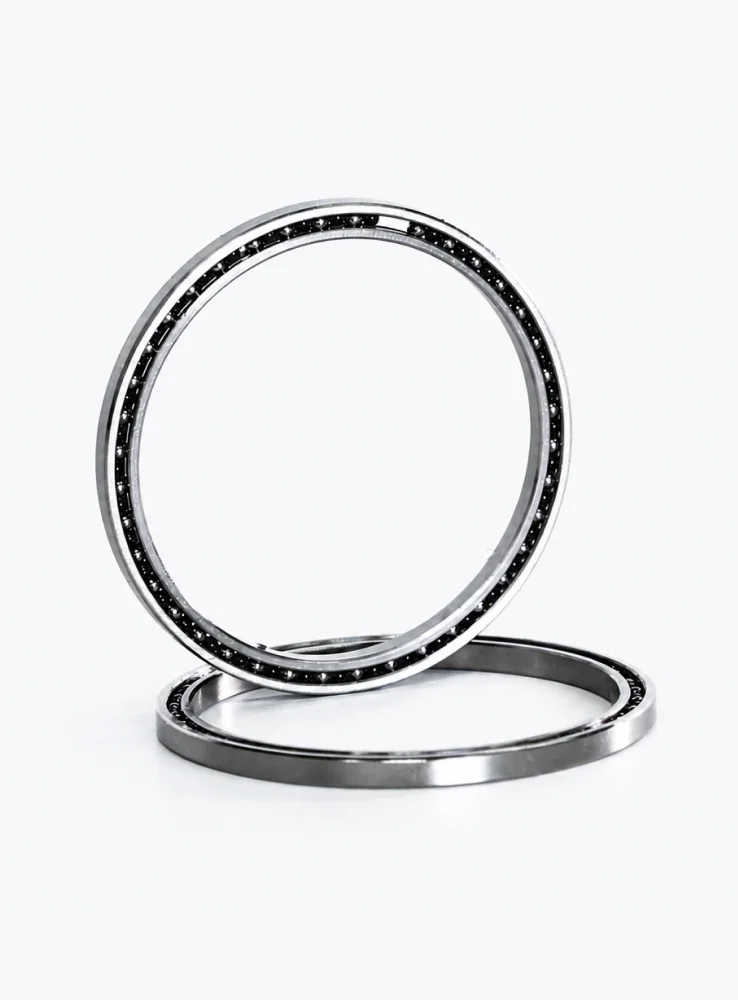
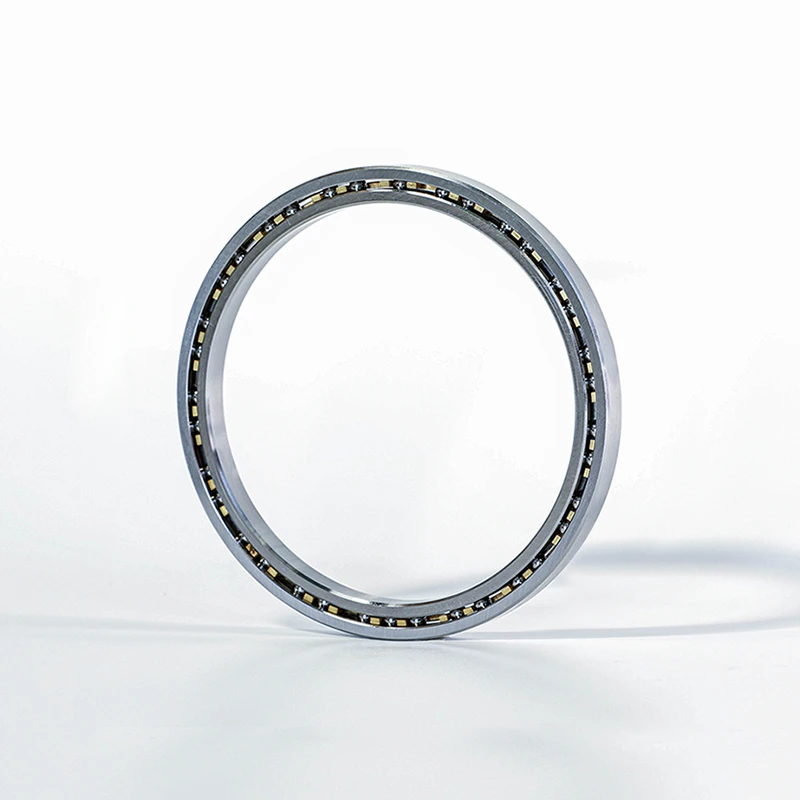
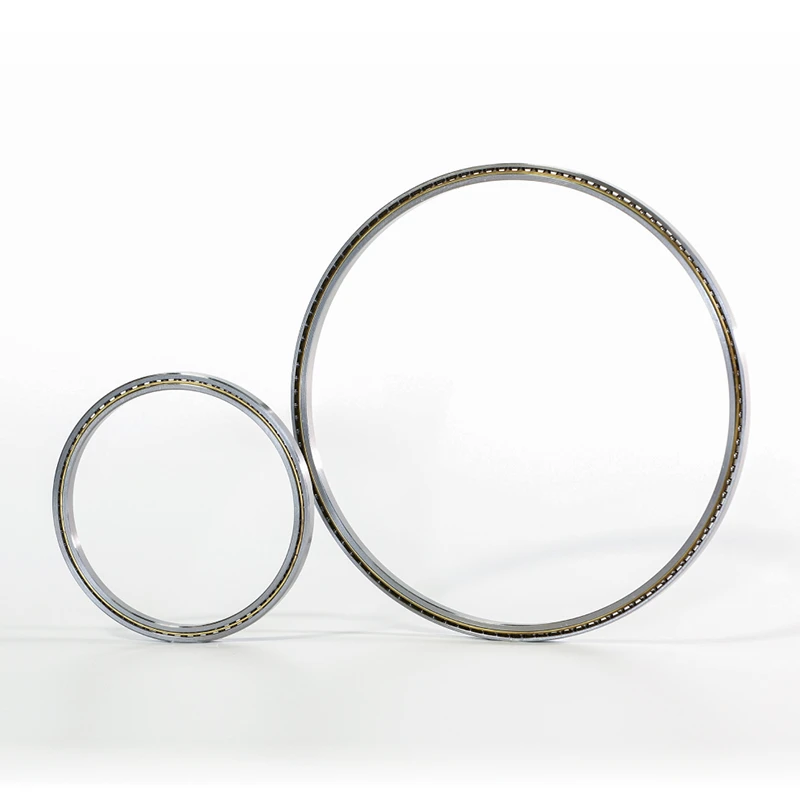
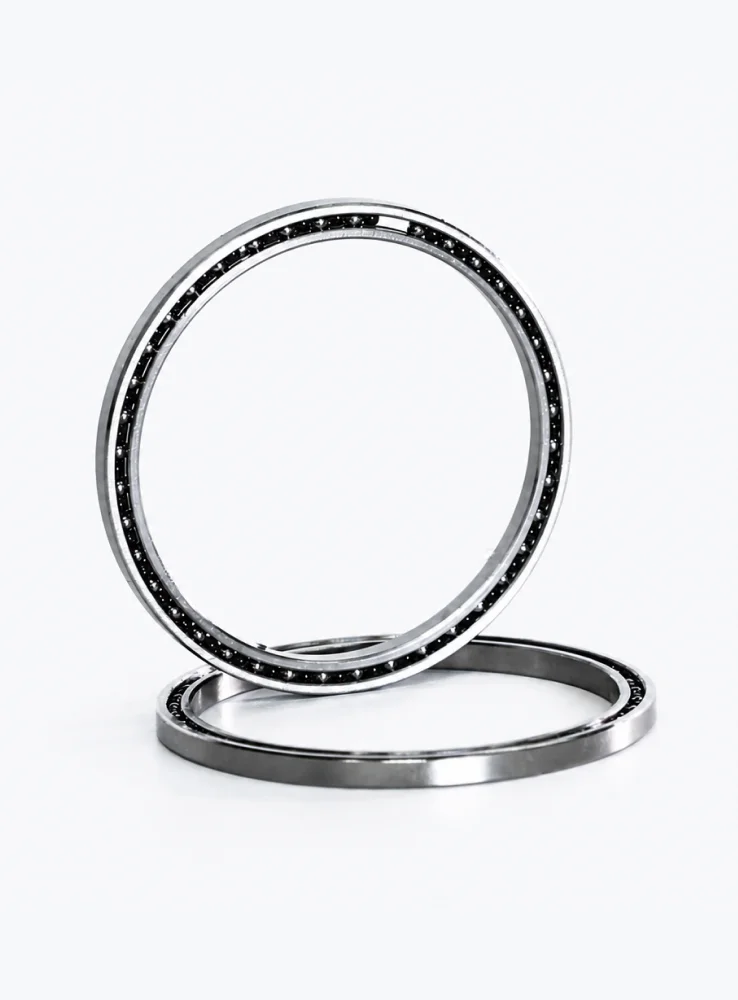
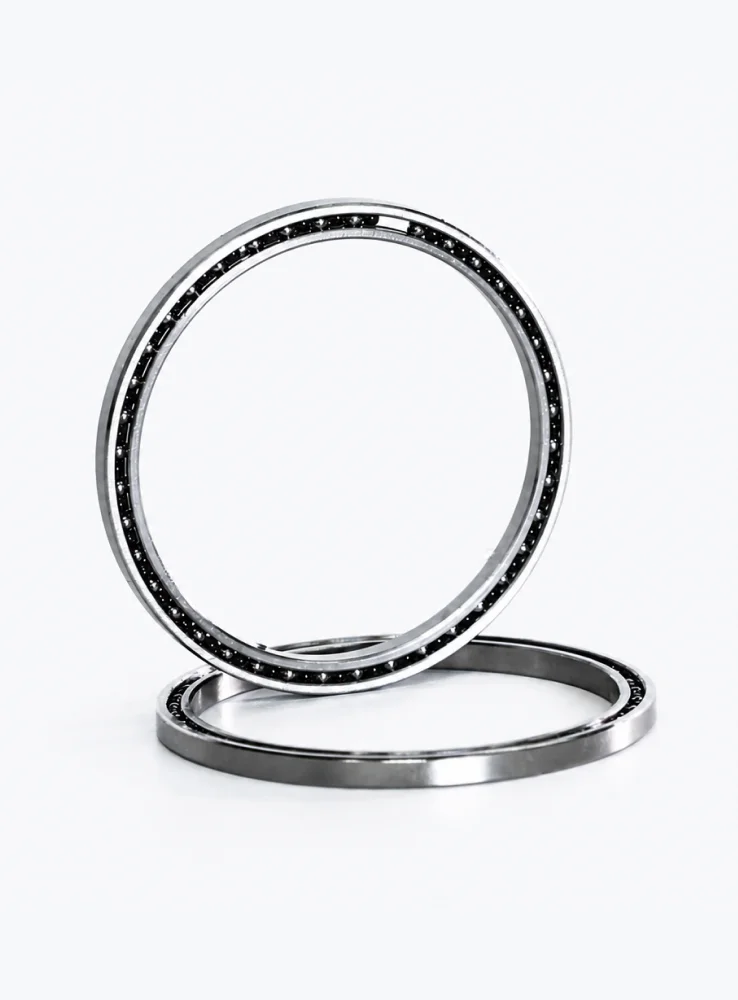
Stainless steel angular contact ball bearings are precision-engineered to support combined radial and axial loads while maintaining reliable performance at high speeds. Manufactured from corrosion-resistant stainless steel, they offer excellent durability in demanding environments where moisture, cleaning agents, or exposure to corrosive media may affect conventional bearings. Their angular contact design provides enhanced axial load capacity and operational stability, making them suitable for medical equipment, food processing machinery, laboratory instruments, automation systems, pumps, and other precision applications. With options for different contact angles, cage materials, preload levels, and precision grades, these bearings can be configured to meet specific load, speed, and service-life requirements, providing a dependable solution for OEM equipment and industrial applications.
In industrial environments where moisture, chemicals, or fluctuating temperatures are present, stainless steel material offers a significant performance advantage. It helps extend service life, reduces maintenance frequency, and ensures stable operation under demanding working conditions. This makes stainless steel angular contact ball bearings a preferred solution across a wide range of industries, including food processing equipment, marine systems, medical machinery, chemical processing equipment, and precision instruments.
The performance of stainless steel angular contact ball bearings is determined by their internal geometry. The raceways of the inner and outer rings are displaced relative to each other along the bearing axis, forming a specific contact angle. This angle allows the bearing to support axial loads in a defined direction while simultaneously carrying radial loads.
When two or more bearings are arranged in a matched configuration, they can support axial forces in both directions, improving rigidity and load distribution. This structural flexibility allows engineers to optimize bearing arrangements based on actual operating requirements, whether for high-speed spindles or heavy-duty transmission systems.
The stainless steel construction enhances resistance to corrosion and oxidation, ensuring stable performance even in humid, acidic, or saline environments. Compared with traditional chrome steel bearings, stainless steel variants are better suited for applications where cleanliness and durability are critical.
One of the most important advantages of stainless steel angular contact ball bearings is their ability to maintain precision under combined loads. The optimized contact angle improves stiffness and reduces deformation during operation, which helps maintain accurate shaft positioning and smooth rotational movement.
Corrosion resistance is another critical benefit. Stainless steel material provides strong protection against rust formation, which is especially important in environments exposed to water, steam, cleaning agents, or food-grade processing conditions. This characteristic not only improves durability but also supports compliance with hygiene and safety requirements in regulated industries.
High-speed performance is also a defining feature. The optimized internal design reduces friction and heat generation, allowing the bearing to operate efficiently at elevated rotational speeds. This makes it suitable for applications such as electric motors, pumps, compressors, and CNC machine tool spindles.
In addition, stainless steel angular contact ball bearings offer excellent dimensional stability. Even under continuous load and varying temperature conditions, they maintain consistent performance, which contributes to reduced downtime and improved system reliability.
Stainless steel angular contact ball bearings are widely used in industries that require both mechanical precision and environmental resistance.
In the food and beverage industry, they are commonly installed in processing and packaging equipment where frequent washdowns and exposure to moisture are unavoidable. Their corrosion-resistant properties help maintain hygiene standards while ensuring continuous operation.
In the medical and pharmaceutical sectors, these bearings are used in diagnostic equipment, laboratory devices, and sterilization systems. The combination of precision and clean operation makes them suitable for sensitive environments where contamination must be minimized.
Marine and offshore applications also benefit significantly from stainless steel construction. Equipment exposed to saltwater conditions requires components that can withstand aggressive corrosion, and these bearings provide a reliable solution for pumps, winches, and propulsion systems.
They are also widely used in chemical processing machinery, where exposure to reactive substances can quickly degrade standard bearing materials. Stainless steel helps ensure long-term stability and reduced maintenance costs in such environments.
Selecting the appropriate stainless steel angular contact ball bearing requires careful evaluation of operating conditions. Load type is one of the most important factors. Engineers need to determine whether the application involves mainly radial loads, axial loads, or a combination of both, as this directly affects the required contact angle and bearing configuration.
Speed requirements also play a critical role. High-speed applications demand bearings with optimized internal clearance and precision-grade manufacturing to minimize friction and heat buildup.
Environmental conditions should also be considered. Exposure to moisture, chemicals, or temperature variations will influence material selection and lubrication strategy. In some cases, specialized sealing solutions may be required to further enhance protection.
Accuracy class is another key parameter. Precision machinery often requires higher-grade bearings to ensure minimal vibration and maximum rotational accuracy.
Choosing the correct tolerance level helps improve overall system performance and stability.
Although stainless steel angular contact ball bearings are designed for durability, proper maintenance is still essential to achieve optimal service life. Lubrication plays a central role in reducing wear and maintaining smooth operation. The selection of grease or oil should be based on speed, load, and environmental conditions.
Regular inspection helps identify early signs of wear, contamination, or misalignment. Early detection allows corrective action before serious damage occurs, reducing unexpected downtime and maintenance costs.
Proper installation is equally important. Incorrect mounting can lead to uneven load distribution and premature failure. Therefore, professional installation practices are recommended to ensure alignment accuracy and optimal performance.
Stainless steel angular contact ball bearings provide a reliable and high-performance solution for applications that demand both precision and environmental resistance. Their ability to handle combined loads, operate at high speeds, and resist corrosion makes them a critical component in modern industrial systems.
By selecting the appropriate configuration and maintaining proper operating conditions, users can significantly improve equipment efficiency, extend service life, and reduce overall operational costs. For industries seeking long-term stability and consistent performance, stainless steel angular contact ball bearings represent a dependable engineering choice that aligns with modern industrial demands.
1. What are stainless steel angular contact ball bearings mainly used for?
Stainless steel angular contact ball bearings are mainly used in applications that require both high precision and the ability to handle combined axial and radial loads. Industries such as food processing, medical equipment, marine systems, chemical machinery, and precision instruments commonly rely on them because they offer corrosion resistance and stable performance under demanding conditions.
2. How are angular contact ball bearings different from deep groove ball bearings?
Angular contact ball bearings are designed with a specific contact angle that allows them to support higher axial loads in one direction, while deep groove ball bearings are primarily optimized for radial loads with limited axial load capacity. This structural difference makes angular contact bearings more suitable for high-speed and high-precision applications where directional axial force is present.
3. Why is stainless steel used instead of chrome steel?
Stainless steel is selected when corrosion resistance is a priority. It performs better in environments exposed to moisture, chemicals, or frequent cleaning processes. Chrome steel bearings may offer higher hardness in dry conditions, but stainless steel provides longer service life and more stable operation in harsh or hygienic environments.
4. Can stainless steel angular contact ball bearings operate at high speed?
Yes, these bearings are designed for high-speed applications. Their internal geometry reduces friction and heat generation, allowing smooth rotation even at elevated speeds. However, proper lubrication and correct installation are essential to maintain optimal performance and prevent premature wear.
5. Can these bearings handle axial loads in both directions?
A single angular contact ball bearing typically supports axial load in one direction. When bearings are installed in matched pairs or sets, they can support axial loads in both directions. This configuration is commonly used in machine tool spindles and precision drive systems.
6. What industries benefit most from this type of bearing?
Industries that require reliability in challenging environments benefit the most. This includes food and beverage production, pharmaceutical manufacturing, marine engineering, chemical processing, robotics, and CNC machinery. These sectors value both corrosion resistance and high rotational accuracy.
7. How should stainless steel angular contact ball bearings be maintained?
Maintenance mainly involves ensuring proper lubrication, correct alignment, and periodic inspection. Clean operating conditions and appropriate lubricant selection significantly extend service life. Preventing contamination and avoiding improper installation are also critical for long-term reliability.
8. What factors should be considered when selecting the right bearing?
Selection depends on load conditions, operating speed, environmental exposure, precision requirements, and installation configuration. Engineers should evaluate whether the application involves single-direction or bidirectional axial loads, as well as whether high corrosion resistance or ultra-high precision is required.
9. Do stainless steel bearings require special lubrication?
They do not necessarily require special lubrication, but the lubricant must match the operating environment. Food-grade grease may be required for food processing applications, while high-speed machinery may require low-viscosity oils to reduce friction and heat buildup.
10. What is the typical service life of these bearings?
Service life depends on load, speed, lubrication quality, and environmental conditions. When properly selected and maintained, stainless steel angular contact ball bearings can provide long-term stable performance, especially in environments where standard bearings would degrade faster due to corrosion or contamination.
| Part number | Dimension(mm) | Basic cap。 | Limiting load | Weight | ||
| d | D | Radial (N) | Thrust | (g) | ||
| Cor | Cr | (N) | ||||
| NS03503AS0 | 35 | 41 | 382 | 383 | 1334 | 5 |
| NS06003AS0 | 60 | 66 | 649 | 552 | 1112 | 9 |
| NS07003AS0 | 70 | 76 | 756 | 609 | 1068 | 11 |
| NS07403AS0 | 74 | 80 | 799 | 632 | 1045 | 11 |
| NS08003AS0 | 80 | 86 | 863 | 663 | 1001 | 12 |
| NS09003AS0 | 90 | 96 | 970 | 716 | 956 | 13 |
| NS10003AS0 | 100 | 106 | 1077 | 765 | 890 | 15 |
| NS11003AS0 | 110 | 116 | 1183 | 814 | 867 | 16 |
| NS12003AS0 | 120 | 126 | 1290 | 863 | 823 | 18 |
| NS13003AS0 | 130 | 136 | 1407 | 912 | 778 | 19 |
| NS14003AS0 | 140 | 146 | 1514 | 956 | 734 | 21 |
| NS15003AS0 | 150 | 156 | 1621 | 1001 | 712 | 22 |
| NS16003AS0 | 160 | 166 | 1727 | 1045 | 689 | 24 |
| NS17003AS0 | 170 | 176 | 1834 | 1085 | 667 | 25 |