Home- Stainless Steel Bearing-Stainless Steel Deep Groove Ball Bearings
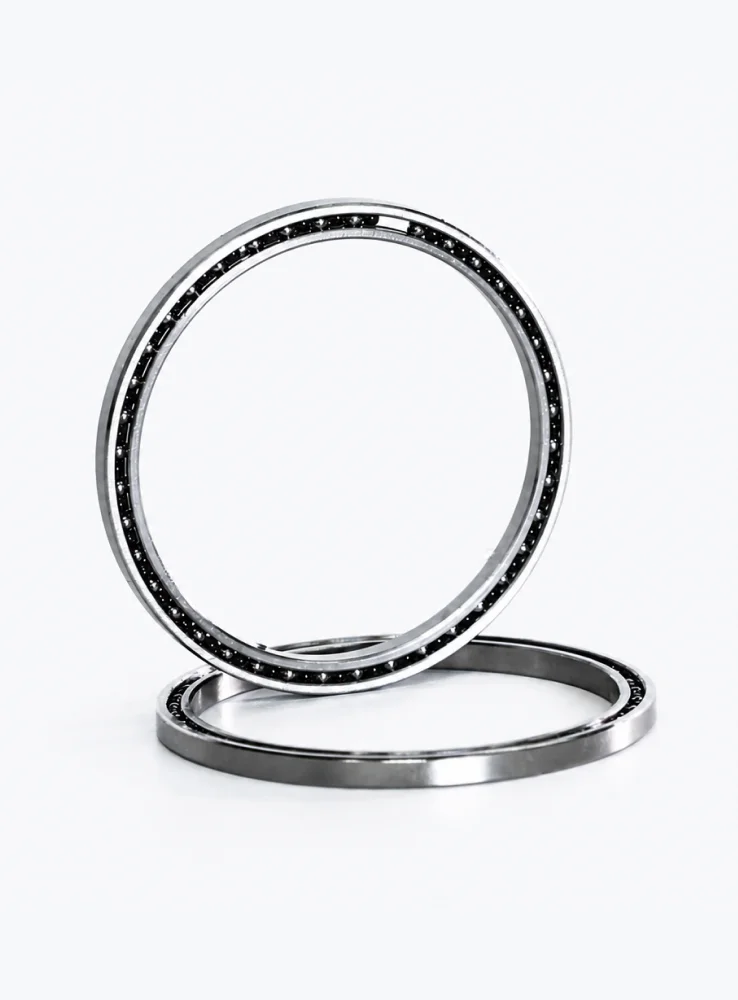
Stainless steel deep groove ball bearings are designed for applications requiring reliable rotation, corrosion resistance, and consistent performance in demanding operating environments. Manufactured from corrosion-resistant stainless steel, these bearings provide good resistance to moisture, oxidation, and common contaminants while supporting both radial and moderate axial loads. Their deep groove raceway design enables smooth, low-friction operation at a wide range of speeds, making them suitable for food processing equipment, medical devices, laboratory instruments, pumps, automation systems, and other precision machinery. Available in multiple sizes and configurations, stainless steel deep groove ball bearings offer a practical solution for OEM applications where durability, cleanliness, and long-term operating stability are essential.
Stainless steel deep groove ball bearings are a widely used type of standardized rolling bearing in industrial transmission systems. They are extensively used in environments requiring high corrosion resistance and reliability due to their simple structure, stable operation, and strong adaptability. For mechanical equipment requiring long-term stable operation, these bearings not only bear radial loads but can also withstand bidirectional axial loads to a certain extent, thus having high application value in general mechanical design.
Regarding material selection, stainless steel deep groove ball bearings are typically manufactured using AISI 440C, AISI 304, or AISI 316 stainless steel, with different materials corresponding to different operating environments. 440C offers higher hardness and wear resistance, making it more suitable for medium to high load conditions, while 304 and 316 exhibit superior corrosion resistance in humid, weakly acidic, alkaline, or marine environments. This flexibility in material system allows them to cover multiple industries, including food processing, medical equipment, chemical machinery, and marine engineering.
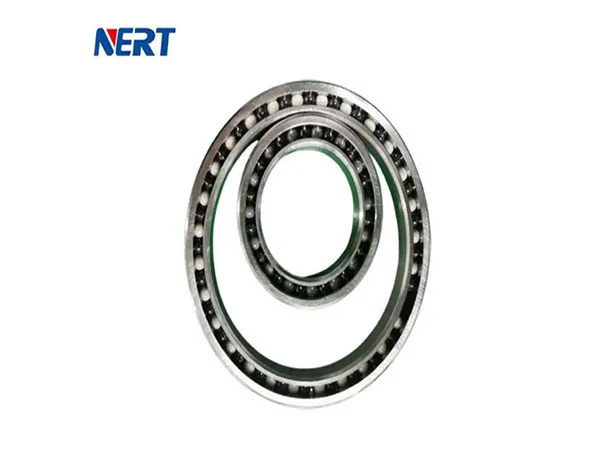
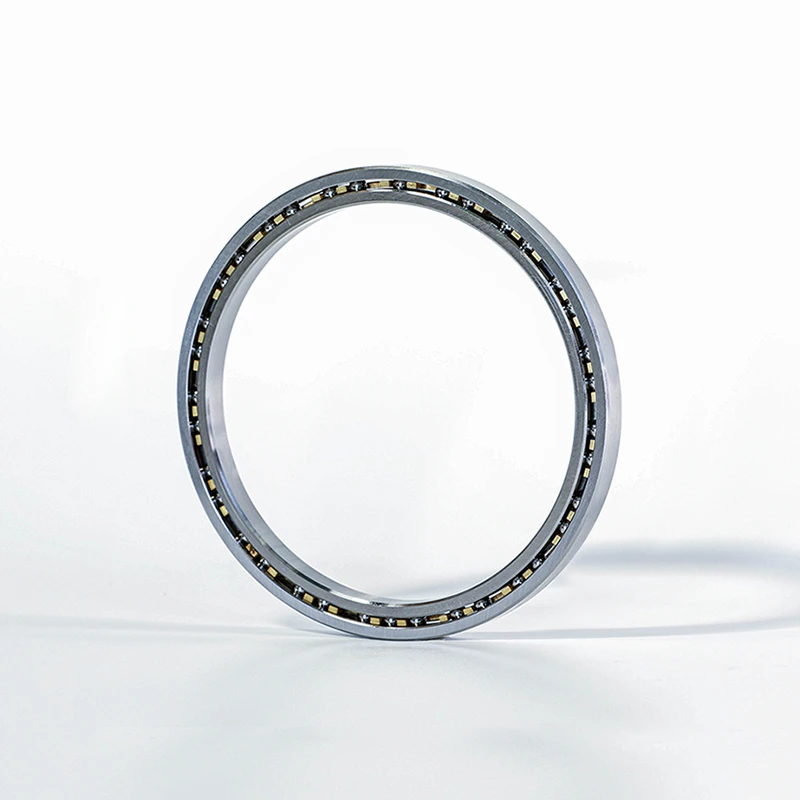
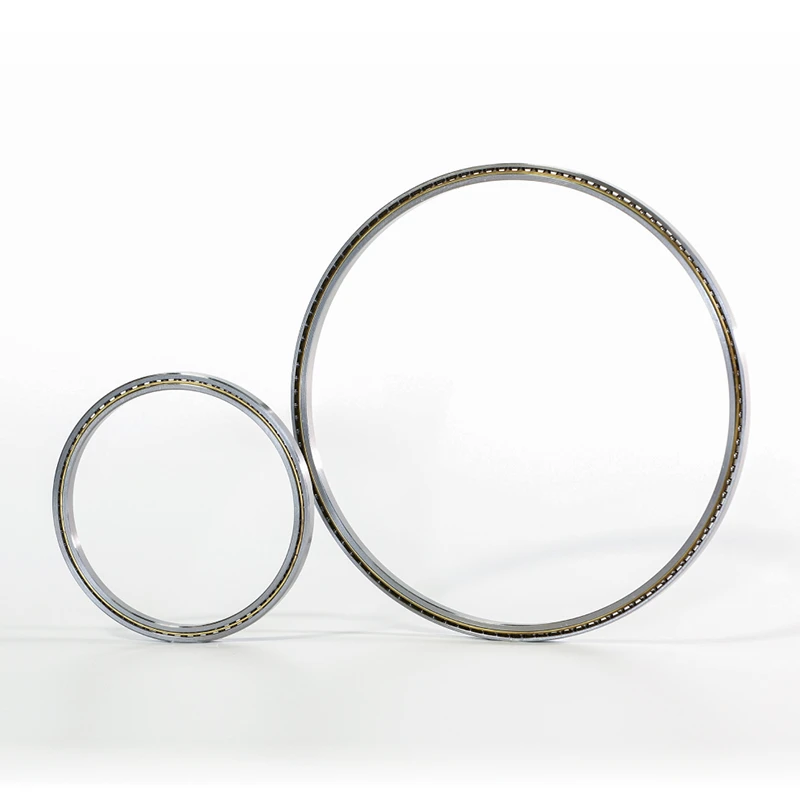
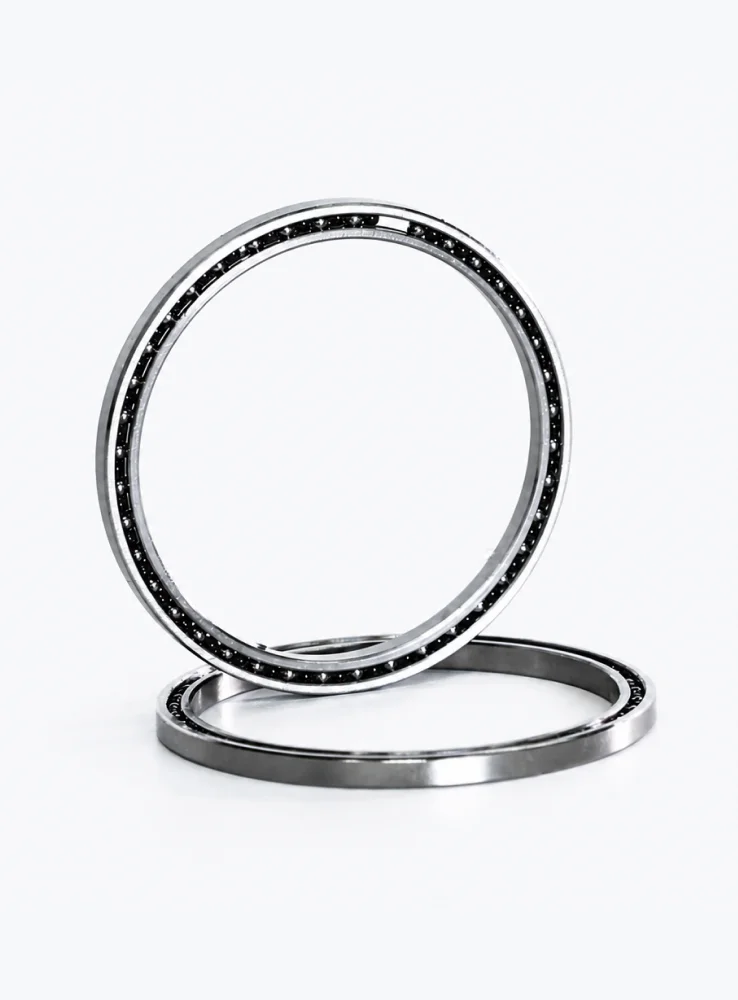
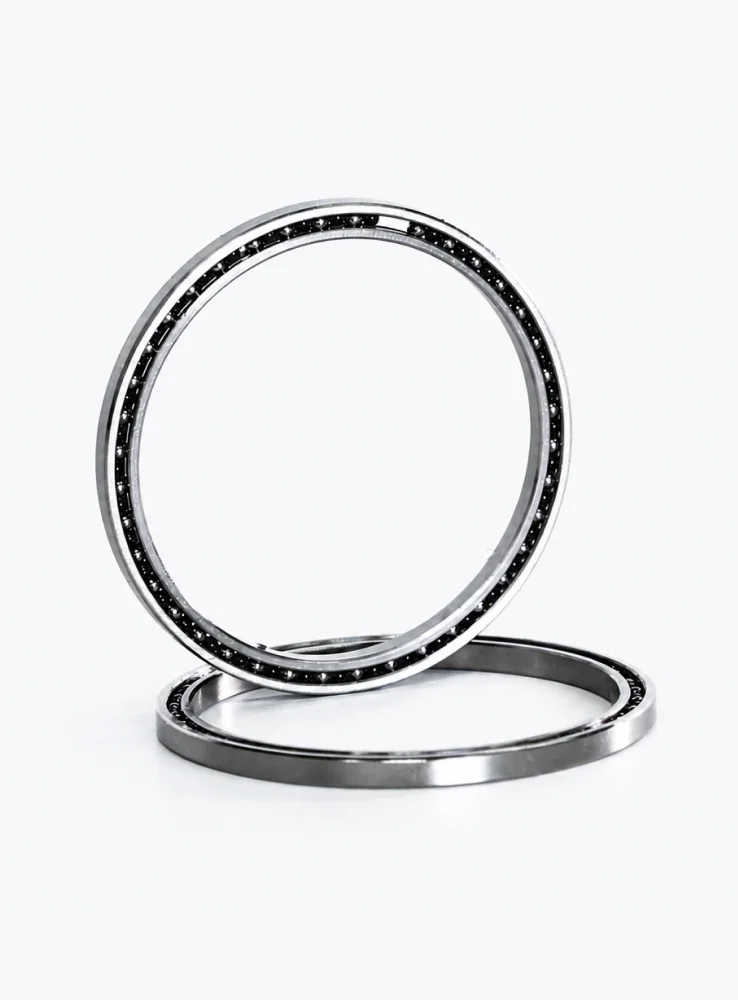
Structurally, deep groove ball bearings employ a classic structure consisting of an inner ring, outer ring, steel balls, and a cage. The deep groove raceway design ensures more stable contact between the steel balls and the raceways, thereby reducing frictional resistance during operation and improving rotational accuracy and efficiency. This structure also features low starting torque, ensuring smooth operation even during low-speed starts or intermittent operation.
In terms of performance, the greatest advantage of stainless steel deep groove ball bearings lies in their corrosion resistance and environmental adaptability. Compared to ordinary bearing steel products, they are less prone to rusting in humid, high-humidity, or chemically exposed environments, effectively extending their service life and reducing maintenance frequency. This is particularly important for food-grade equipment or outdoor machinery, as these environments often have stricter requirements for cleanliness and safety.
In terms of applications, these bearings are widely used in motors, pumps, transmission systems, medical instruments, food processing machinery, packaging equipment, and marine-related equipment. For example, in food production lines, stainless steel bearings can meet the requirements of frequent cleaning and high-humidity environments; in chemical equipment, they can resist a certain degree of corrosive media; and in medical equipment, they provide stable, low-noise operation.
During the selection process, users typically need to focus on several key parameters, including bearing size, rated load, speed range, and sealing type. For highly polluted environments, models with sealing caps (2RS or ZZ structure) can be selected to reduce impurities entering the bearing, thereby extending the effective service life of the grease. For high-speed applications, the lubrication method and cage material need to be considered comprehensively to ensure long-term stable operation.
Regarding maintenance and use, although stainless steel deep groove ball bearings have strong corrosion resistance, it is still recommended to use appropriate grease under reasonable operating conditions and avoid prolonged overload operation. Regularly checking the bearing's operating condition can effectively reduce equipment failure rates and improve the overall system's operating efficiency and safety.
From a corporate procurement and engineering application perspective, the value of these bearings lies not only in the performance of individual components but also in their improvement of the reliability of the entire system. With the continuous increase in industrial automation and high-standard manufacturing demands, stainless steel deep groove ball bearings are becoming a standard configuration in the design of more and more high-end equipment.
From a long-term cost perspective, while the initial purchase cost is slightly higher than that of ordinary bearings, it has significant advantages in reducing maintenance and replacement frequency, and improving equipment stability, making its overall life-cycle cost more competitive.
In summary, stainless steel deep groove ball bearings are a key basic component that balances corrosion resistance, versatility, and operational stability, suitable for various complex industrial environments. When selecting the appropriate product, matching parameters to actual operating conditions can better leverage its performance advantages, thereby providing more reliable assurance for equipment operation.
1. Which industries are Stainless Steel Deep Groove Ball Bearings primarily used in?
Stainless steel deep groove ball bearings are commonly used in industries with high requirements for rust prevention and hygiene, including food processing equipment, medical devices, chemical machinery, marine engineering equipment, packaging machinery, and outdoor motor systems. These bearings exhibit stability in humid or mildly corrosive environments, and are therefore widely used in industrial equipment operating continuously for extended periods.
2. What is the difference between stainless steel bearings and ordinary bearing steel bearings?
The core difference lies in their material properties. Stainless steel bearings have stronger corrosion resistance and are suitable for humid or chemical environments, while ordinary bearing steel (such as GCr15) offers higher load-bearing capacity and cost-effectiveness in dry environments. Therefore, stainless steel bearings are more suited for specialized applications rather than extreme heavy-duty scenarios.
3. Can stainless steel deep groove ball bearings be used in high-speed equipment?
Yes, but matching based on the specific model and lubrication method is necessary. High-quality stainless steel deep groove ball bearings maintain good stability and low noise performance when operating within their designed speed range. For high-speed applications, it is recommended to choose a low-friction sealing structure and use a suitable grease to improve operating efficiency.
4. Does this bearing require additional rust prevention treatment?
Stainless steel itself has strong corrosion resistance and generally does not require additional rust prevention treatment. However, in extreme chemical environments or long-term seawater contact environments, it is still recommended to use a sealing structure or perform regular maintenance to extend its service life.
5. Can the bearing be customized in size or structure?
Yes. Companies can usually provide non-standard customization services according to equipment design requirements, including adjustments to the inner diameter, outer diameter, width, sealing type, and cage material. This customization capability helps to better match different mechanical structures.
6. How to determine if a bearing needs to be replaced?
Common criteria include a significant increase in operating noise, uneven rotation, abnormal temperature rise, or significant vibration. When these phenomena occur, it indicates that the internal lubrication or rolling elements of the bearing may be worn, and it should be replaced promptly to avoid secondary damage to the equipment.
7. Is it suitable for use in food-grade equipment?
Some models of stainless steel deep groove ball bearings (especially those made of 304 or 316 stainless steel) are suitable for food-grade equipment. Their corrosion resistance and ease of cleaning meet the basic requirements of food processing environments, but selection should still be based on specific certification standards.
8. How to extend service life during use?
Proper model selection is key, but maintaining good lubrication and avoiding overloading are equally important. When used in high-humidity or polluted environments, it is recommended to choose models with sealed structures and perform regular maintenance and inspections, which can significantly extend the service life.

| Part number | Dimension(mm) | Basic cap. | Weight | ||
| d | D | Radial (N) | (g) | ||
| Cor | Cr | ||||
| NS03503CS0 | 35 | 41 | 418 | 418 | 5 |
| NS06003CS0 | 60 | 66 | 711 | 605 | 9 |
| NS07003CS0 | 70 | 76 | 827 | 667 | 11 |
| NS07403CS0 | 74 | 80 | 875 | 689 | 11 |
| NS08003CS0 | 80 | 86 | 944 | 725 | 12 |
| NS09003CS0 | 90 | 96 | 1062 | 783 | 13 |
| NS10003CS0 | 100 | 106 | 1178 | 841 | 15 |
| NS11003CS0 | 110 | 116 | 1295 | 894 | 16 |
| NS12003CS0 | 120 | 126 | 1412 | 943 | 18 |
| NS13003CS0 | 130 | 136 | 1540 | 1001 | 19 |
| NS14003CS0 | 140 | 146 | 1658 | 1050 | 21 |
| NS15003CS0 | 150 | 156 | 1774 | 1099 | 22 |
| NS16003CS0 | 160 | 166 | 1891 | 1143 | 24 |
| NS17003CS0 | 170 | 176 | 2006 | 1192 | 25 |