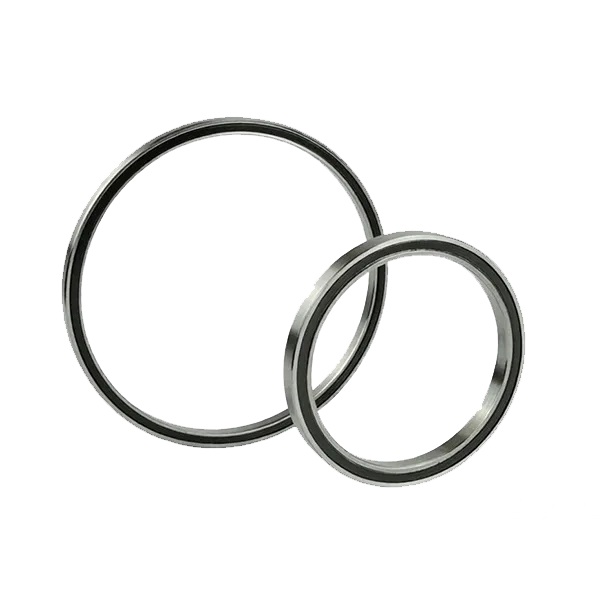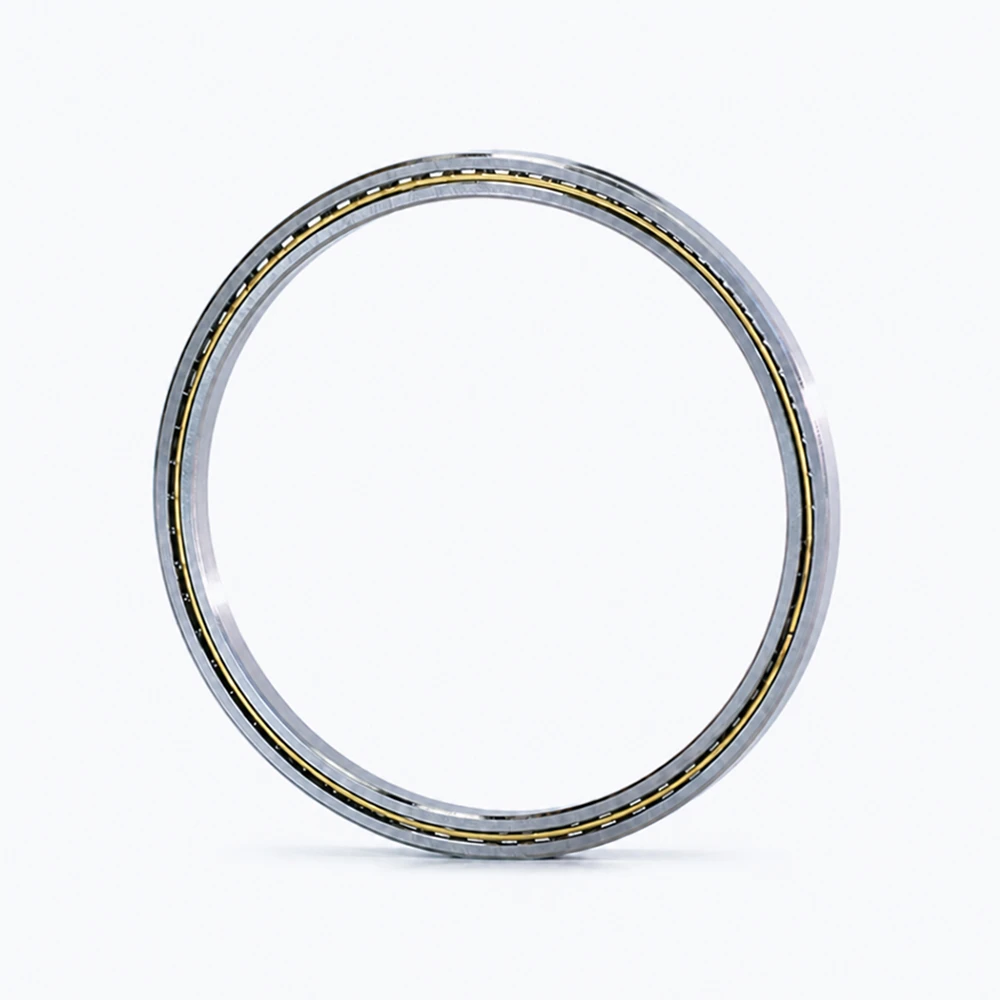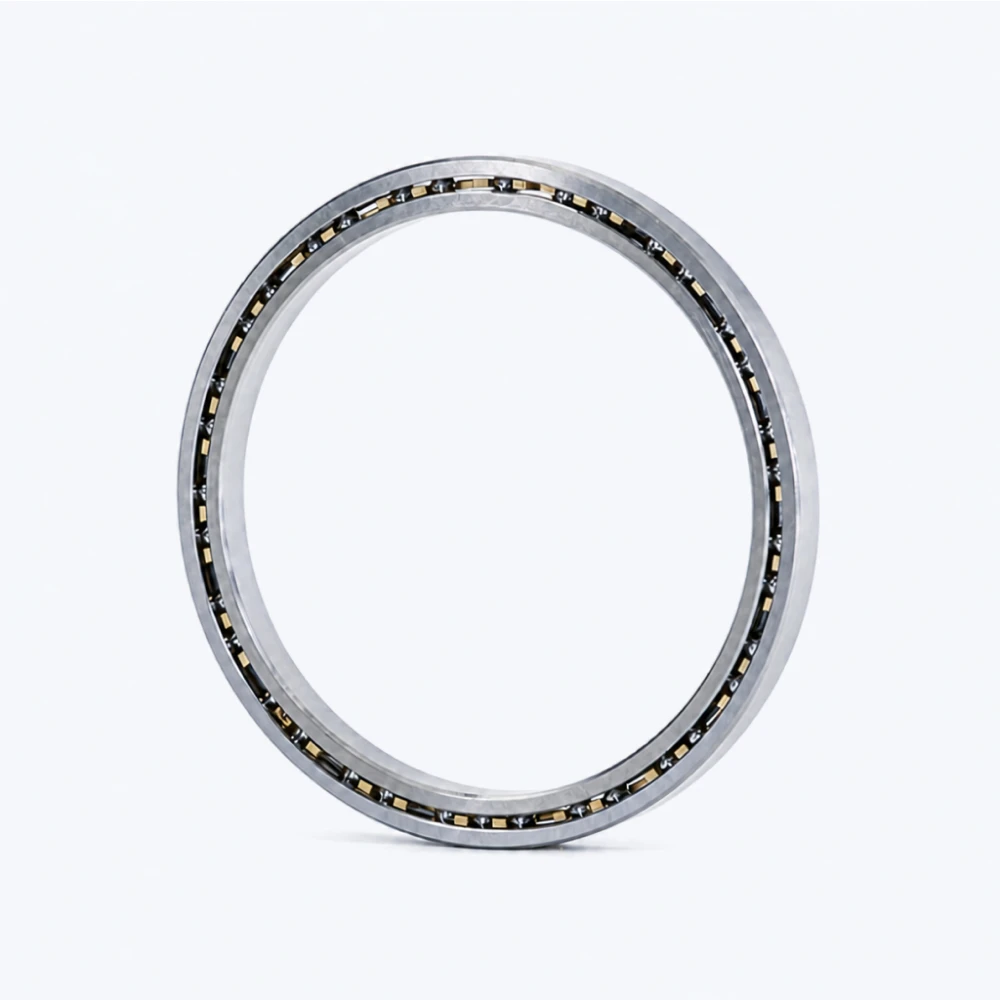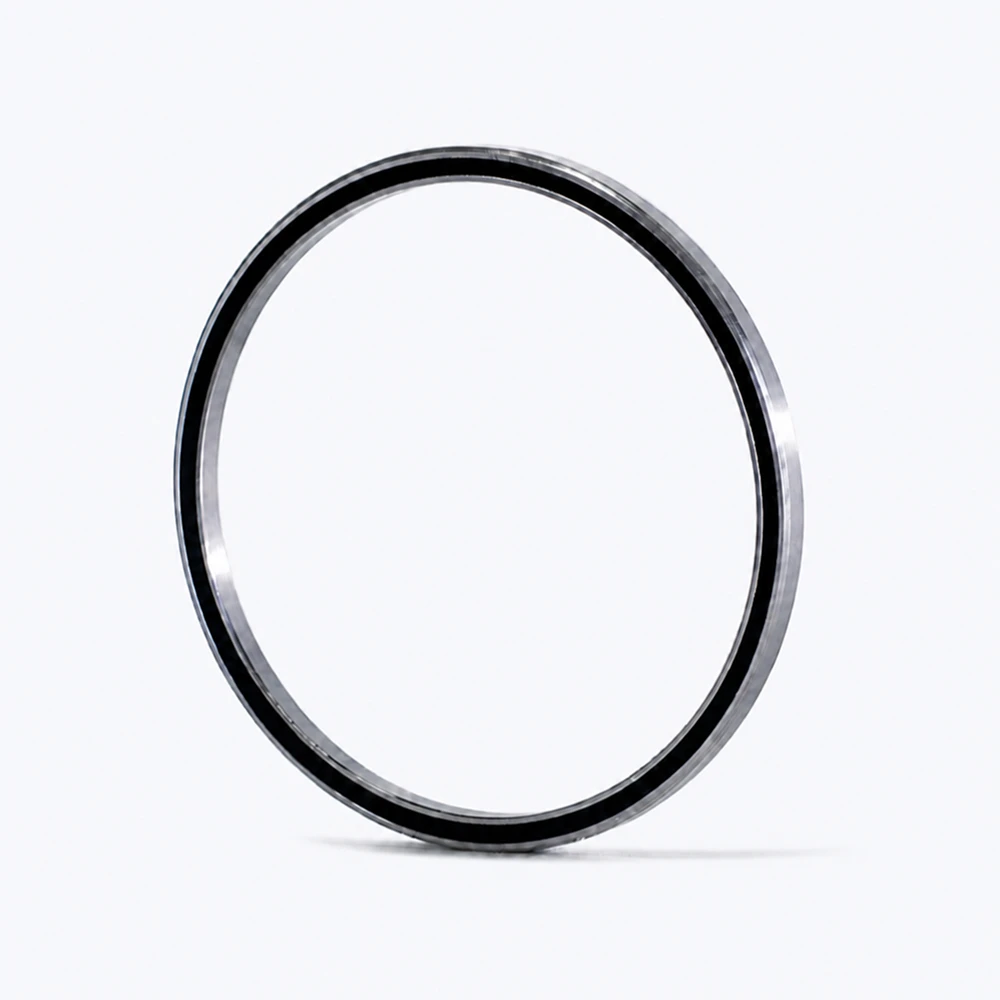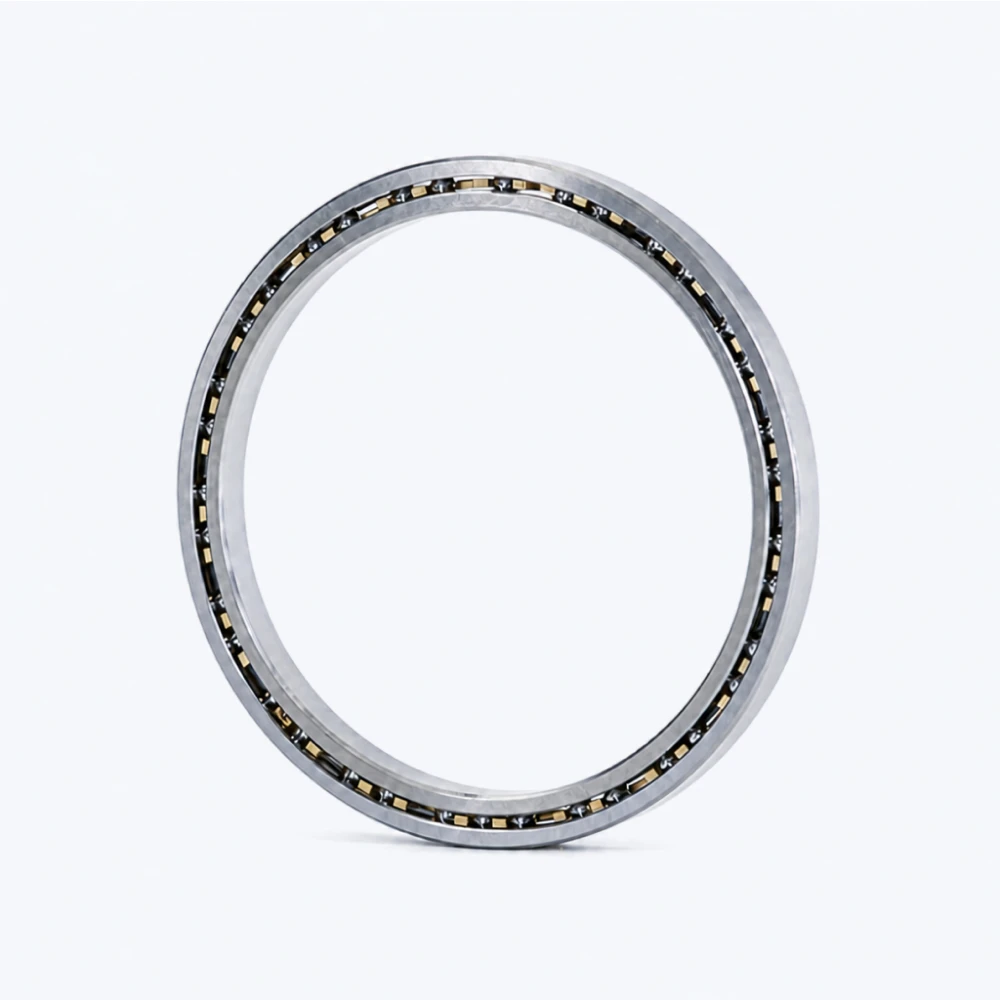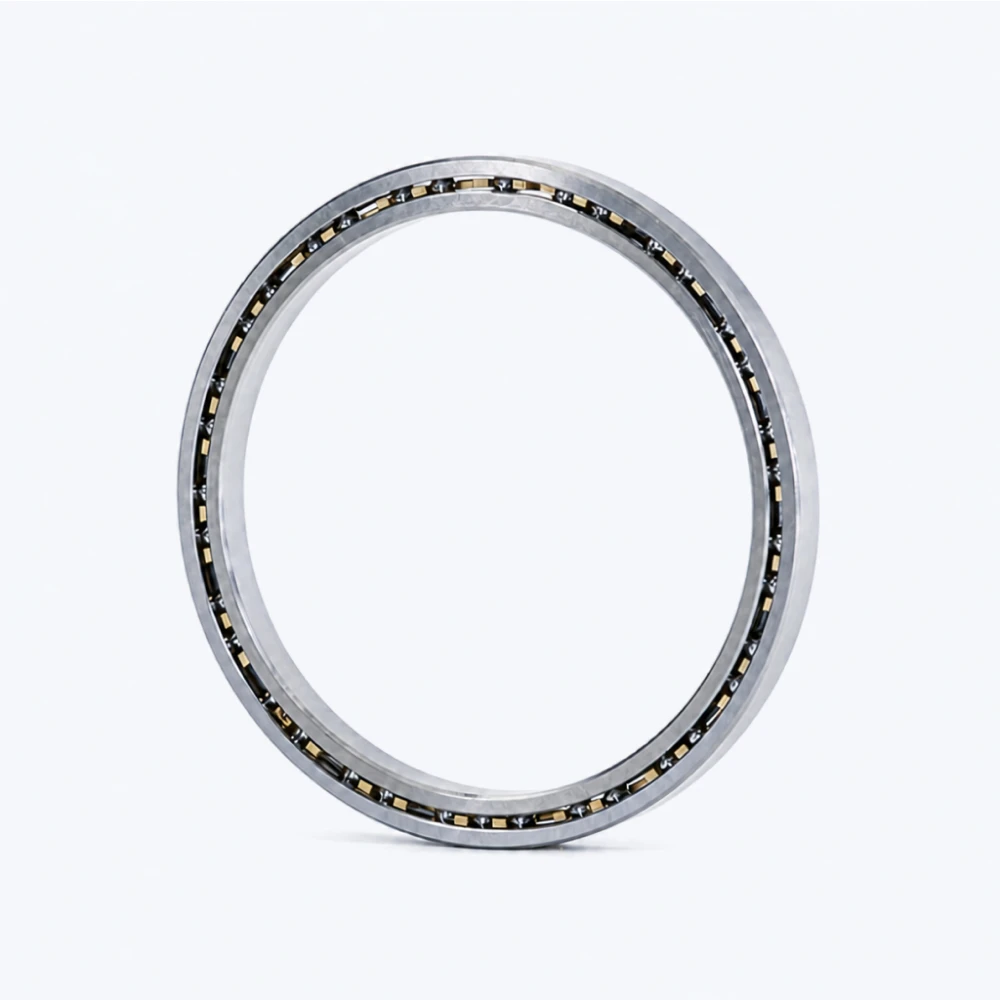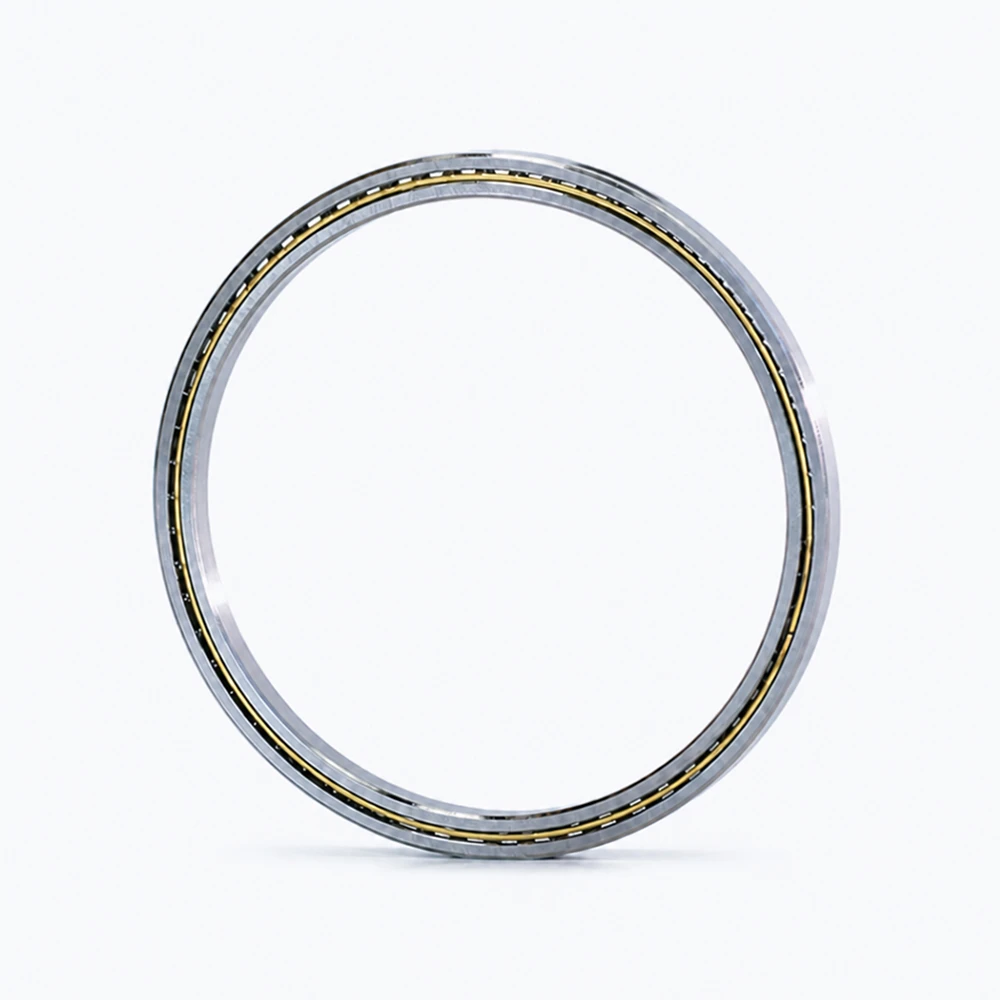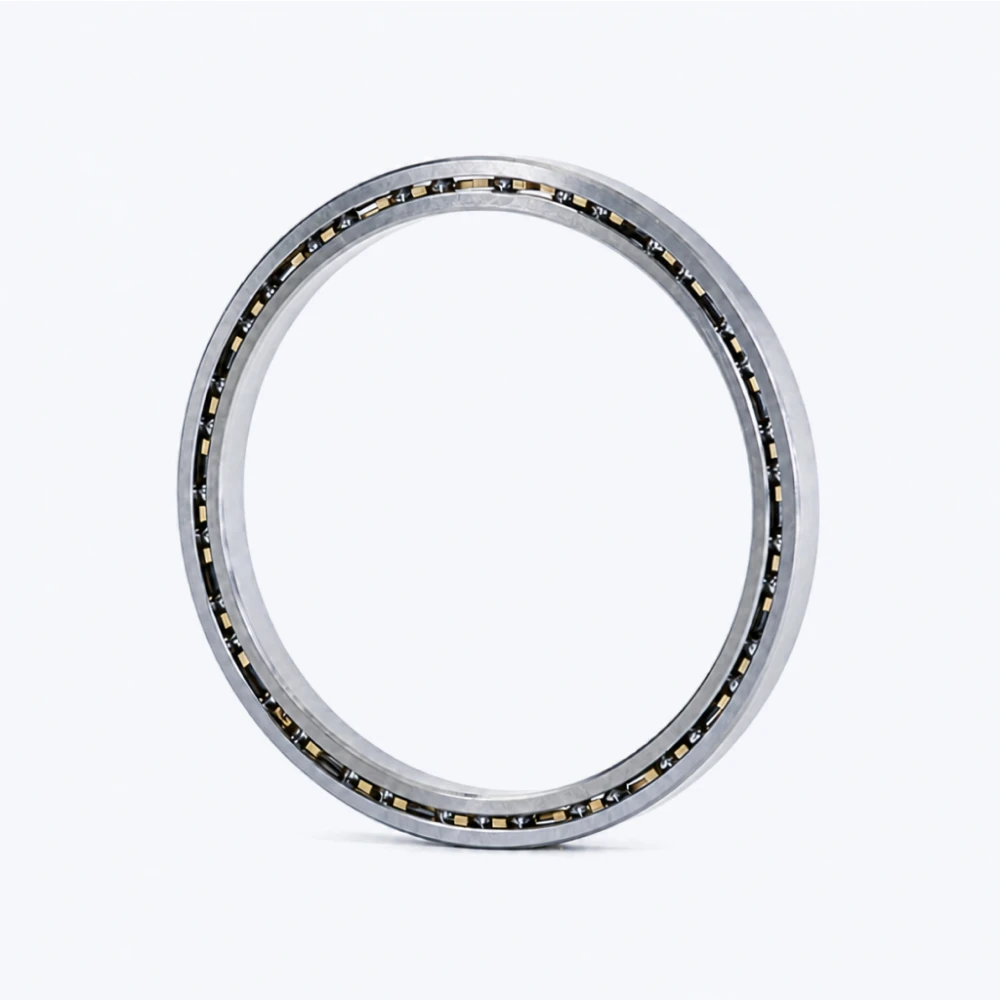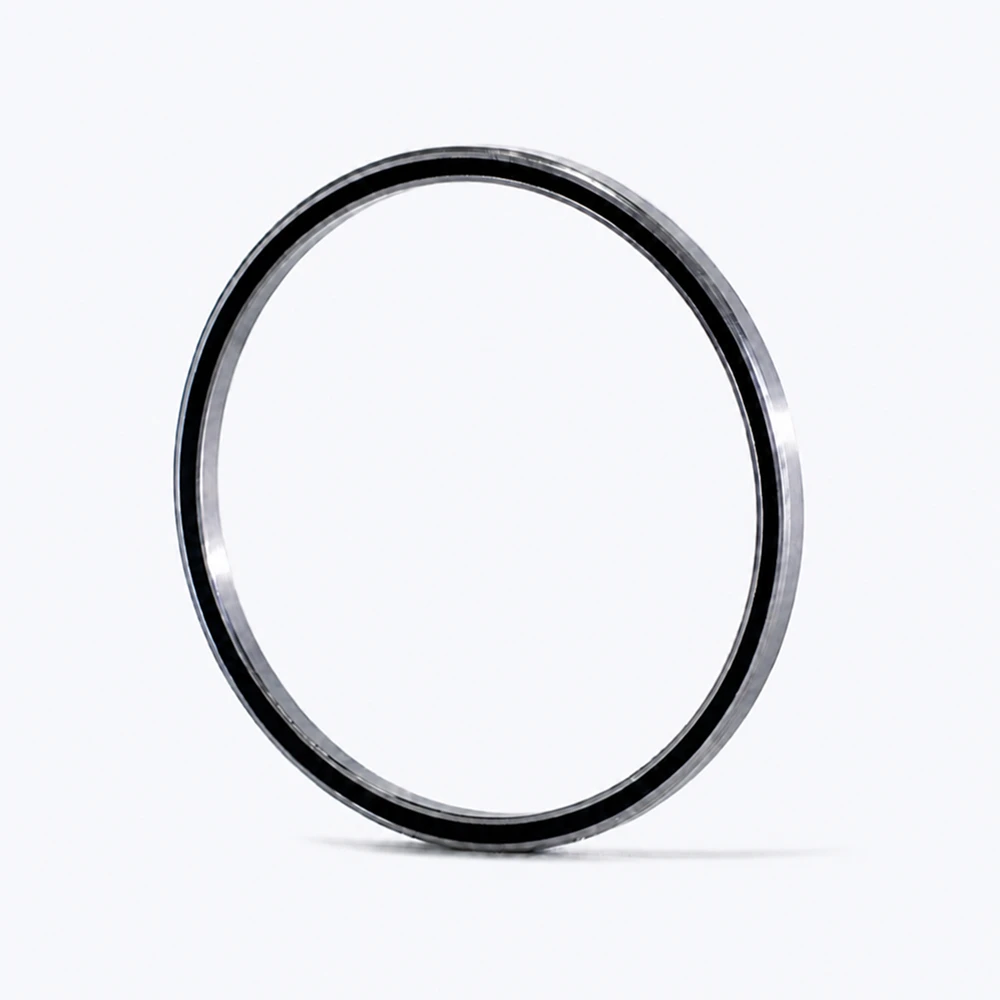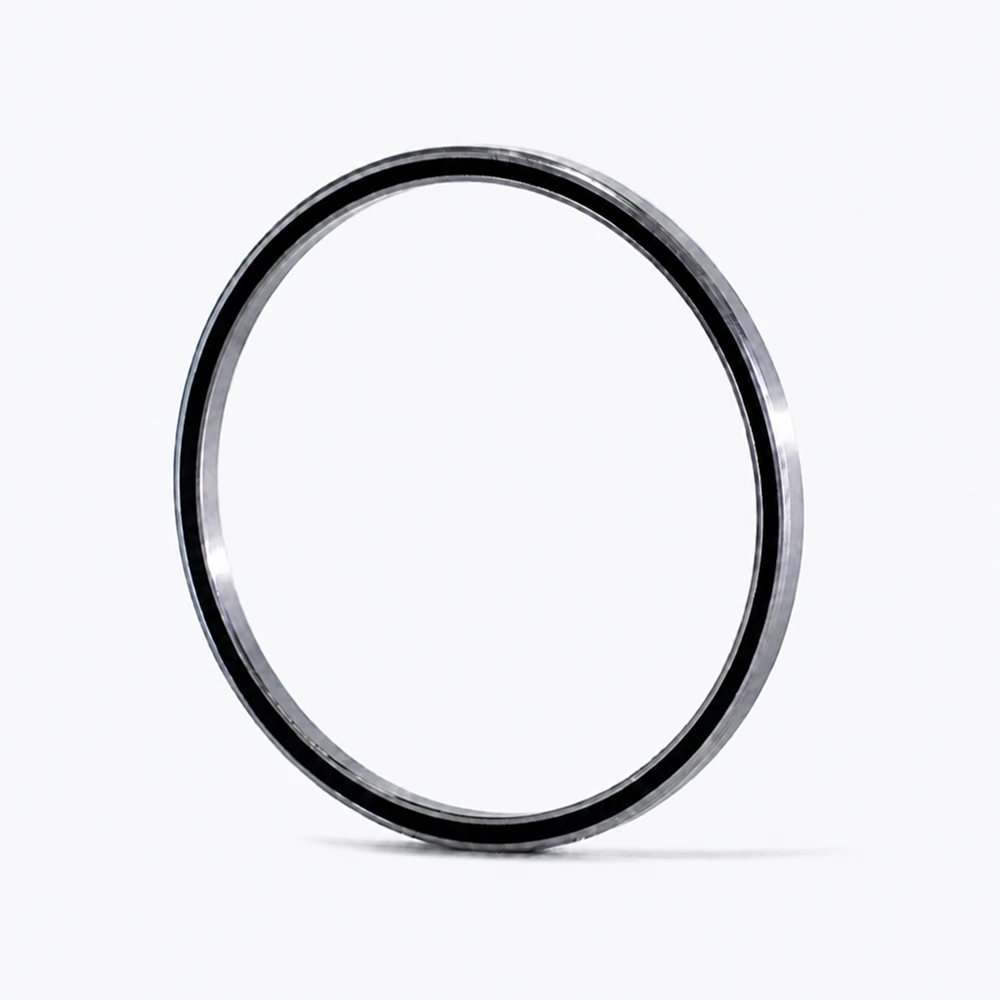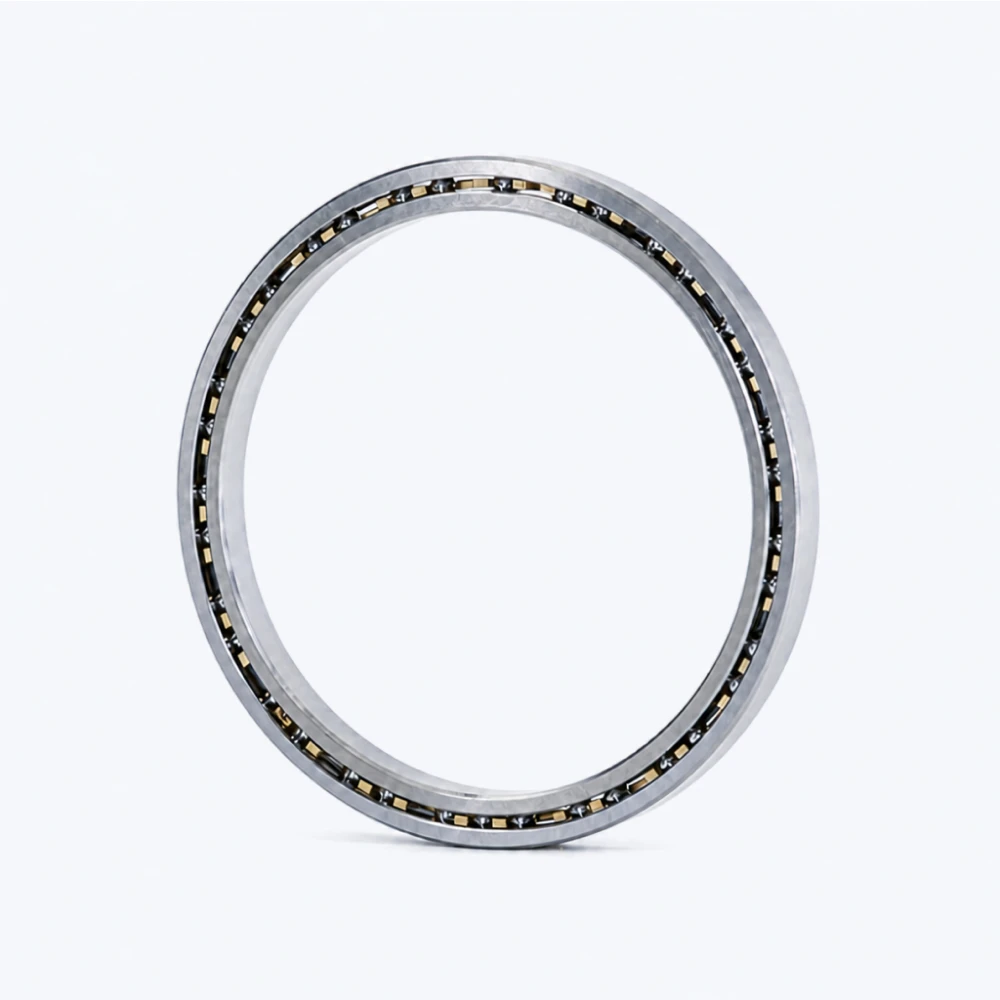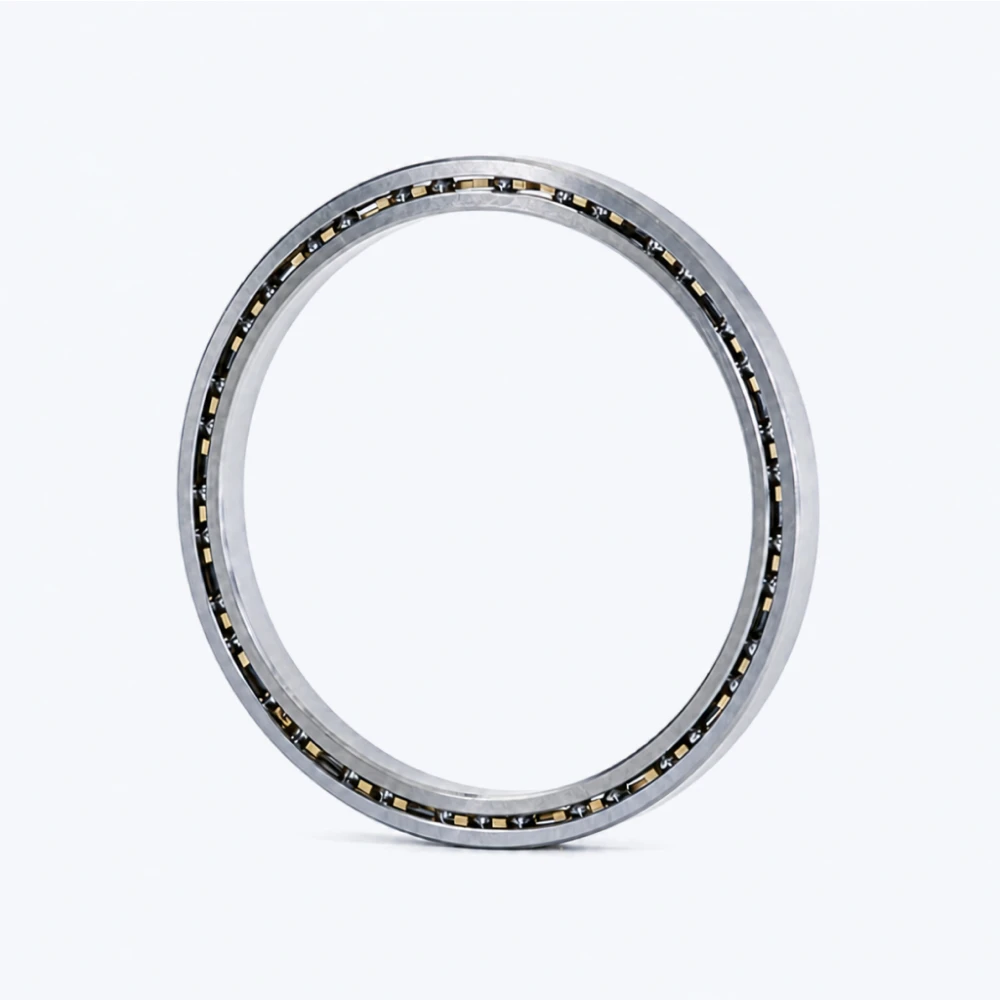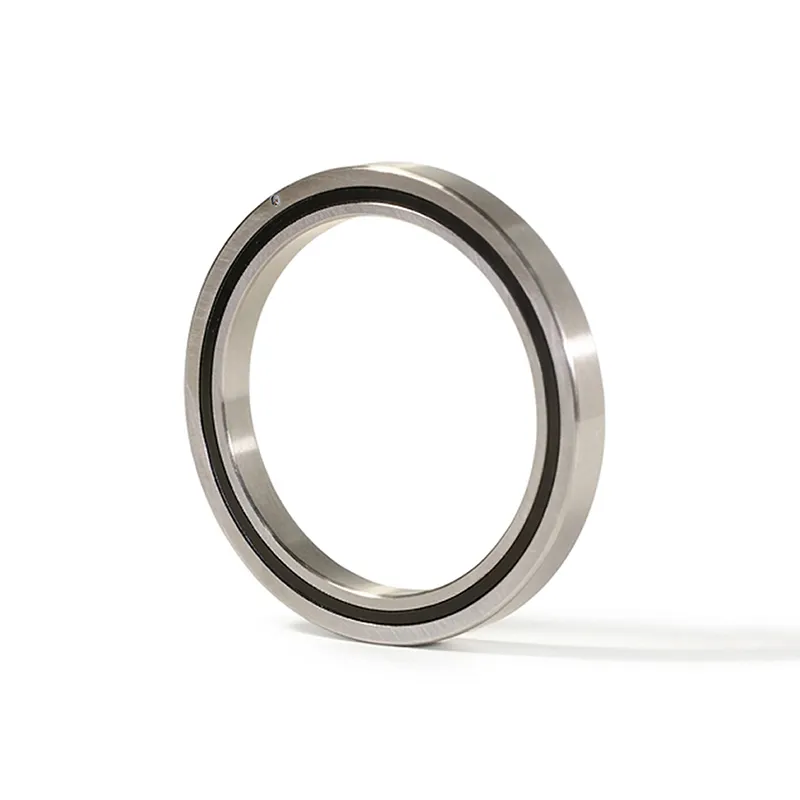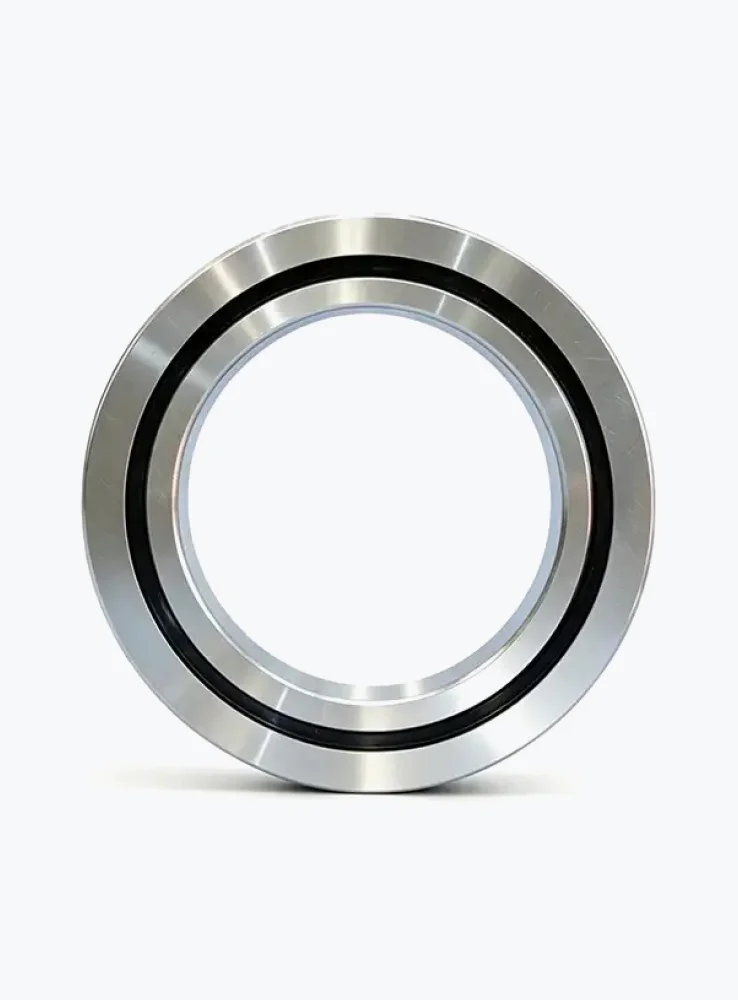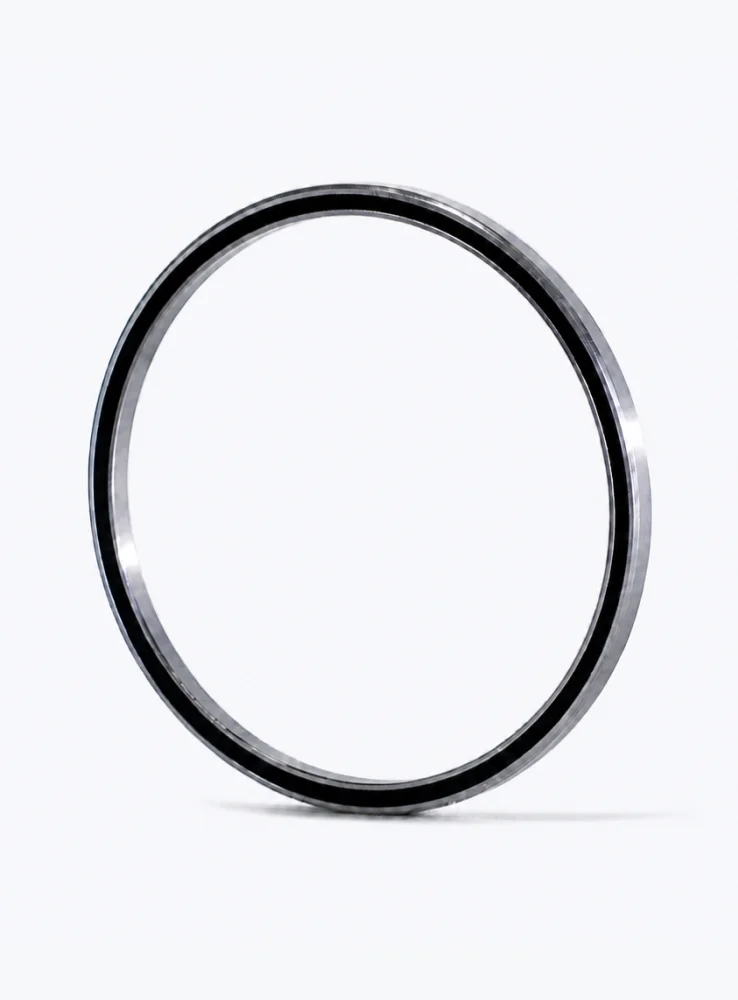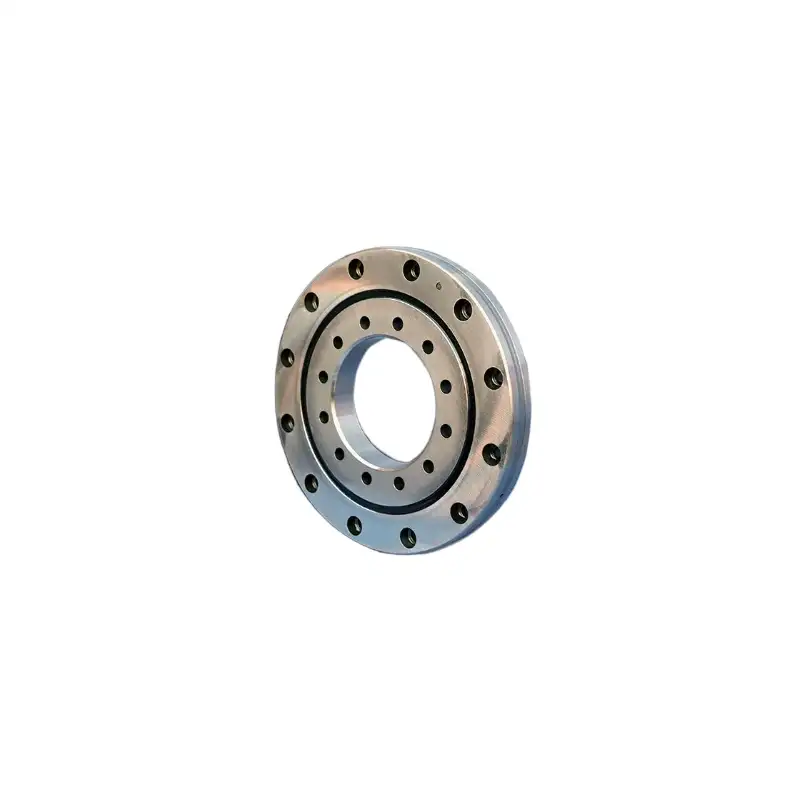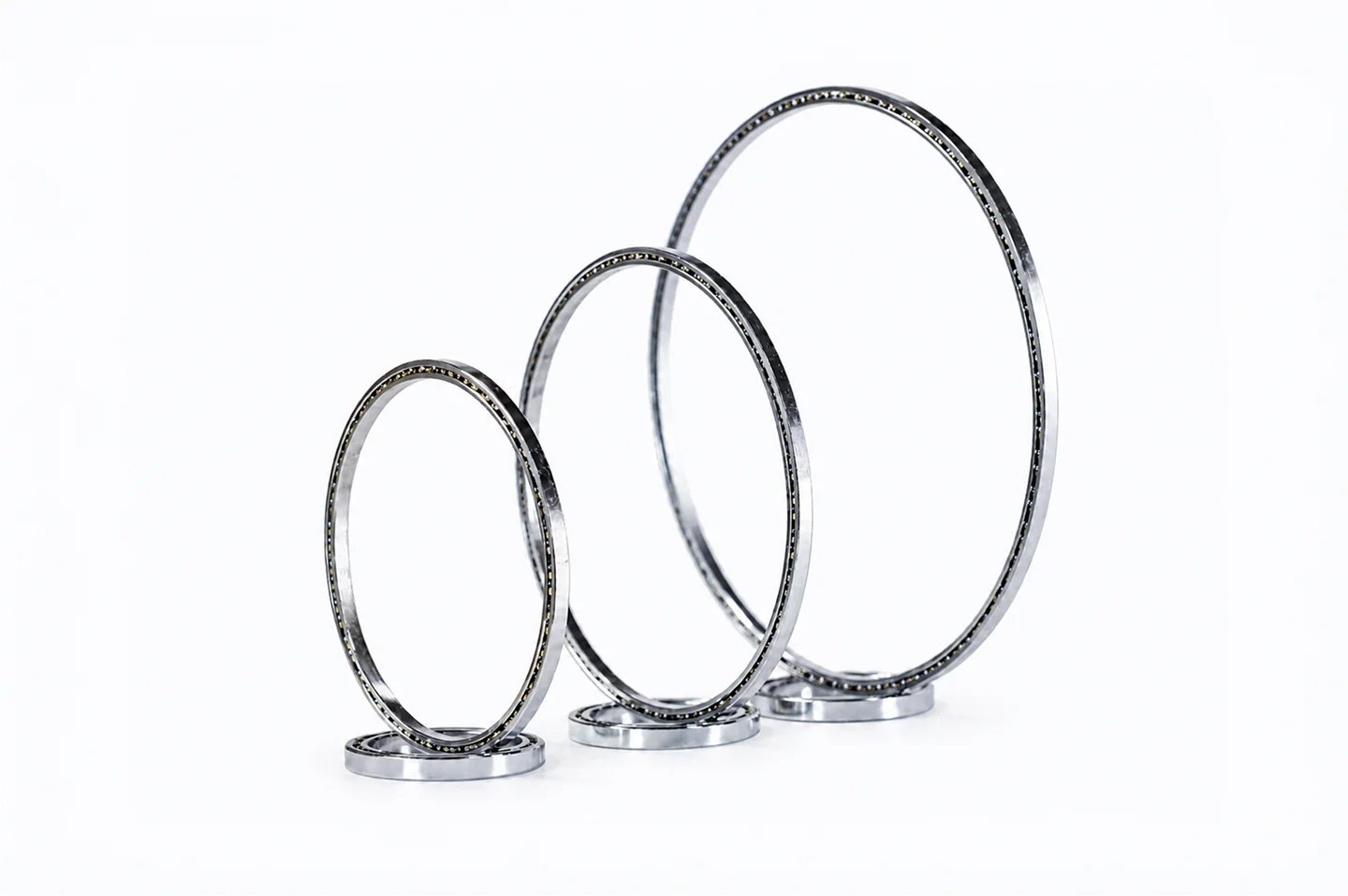
Below is a selection of our popular Thin Section Bearing series. Click on any product for detailed specifications, CAD downloads, and pricing information
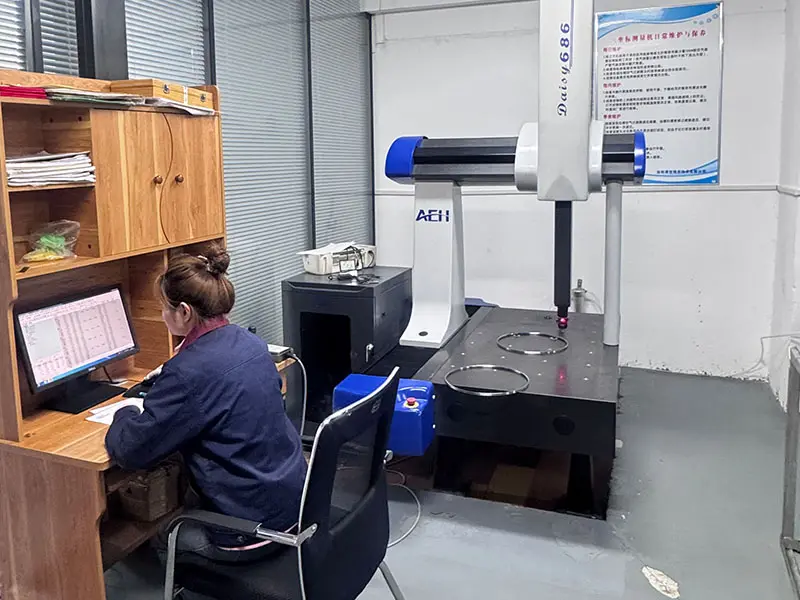
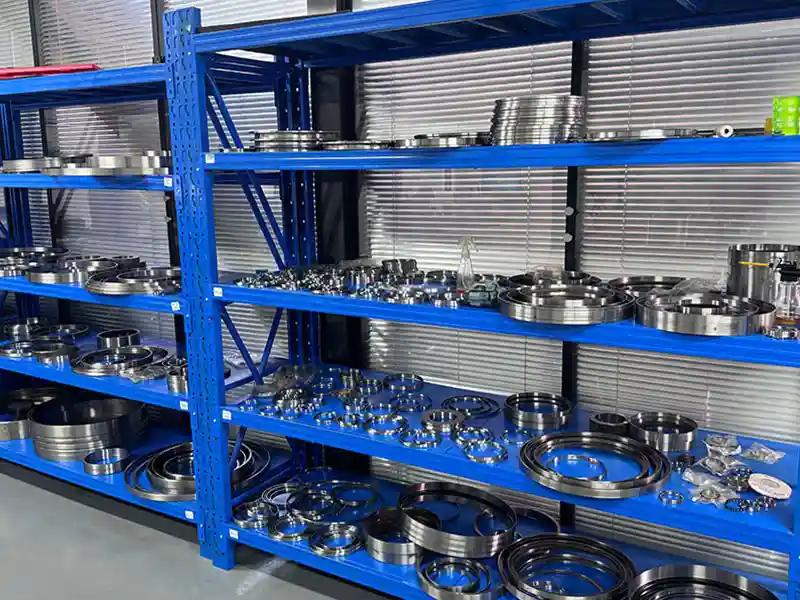
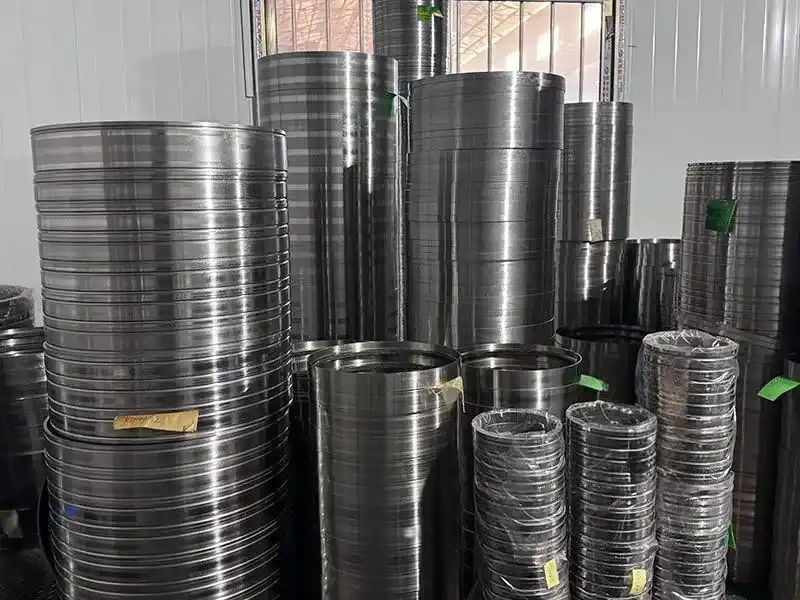
The fundamental design philosophy of Thin Section Bearing centers on optimizing the crossed-section. This yields several critical advantages over conventional bearings:



Selecting the correct thin-section bearing depends on several factors:
Load type (radial, axial, or combined)
Speed requirements
Precision and stiffness needs
Operating environment (temperature, contamination, corrosion)
Installation space constraints
For example, high-precision robotic arms often require angular contact bearings, while general machinery may use radial contact types.
Thin-section bearings are typically categorized into three main types based on their contact design:
Type A (Angular Contact Bearings)
These bearings support combined radial and axial loads and are ideal for applications requiring high rigidity and accuracy.
Type C (Radial Contact Bearings)
These are designed primarily for radial loads and moderate axial loads in both directions. They are the most commonly used type.
Type X (Four-Point Contact Bearings)
These bearings can handle axial loads in both directions using a single bearing, making them suitable for applications requiring moment load support.
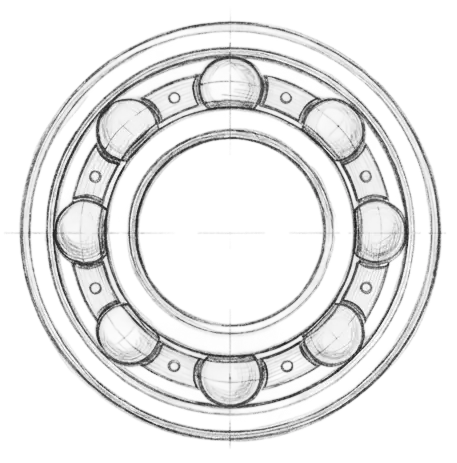
A thin-section bearing is a type of rolling bearing designed with a very small cross-section relative to its diameter. Unlike standard bearings, its cross-section remains constant regardless of bore size, which allows engineers to reduce weight, save space, and maintain high precision in compact designs.
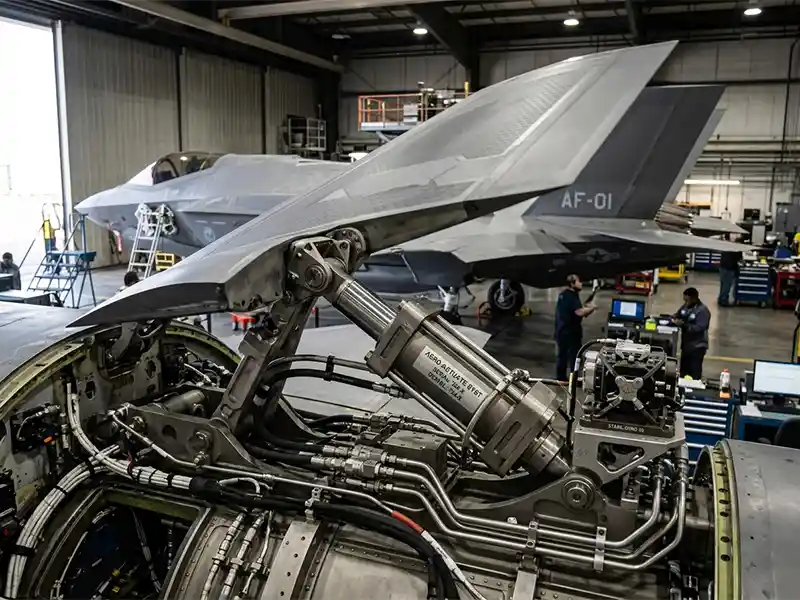
These bearings are widely used in applications where space and weight are critical, such as robotics, medical equipment, aerospace systems, and semiconductor machinery.
Common materials include:
Chrome steel (GCr15 / 52100) for general applications
Stainless steel for corrosion resistance
Ceramic hybrid designs for high-speed and low-friction performance
Material selection depends on the working environment and performance requirements.
Thin-section bearings are widely used in:
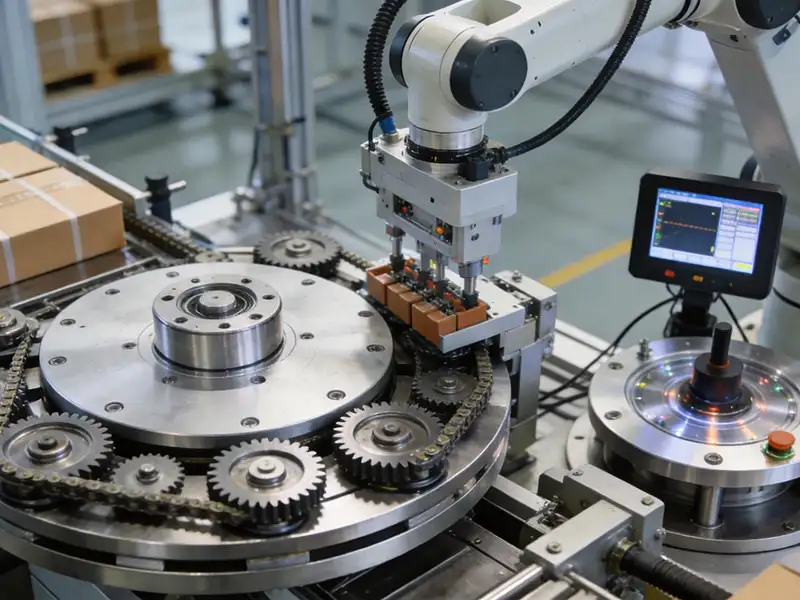
Industrial robots and automation systems
Medical devices such as CT scanners
Aerospace and defense equipment
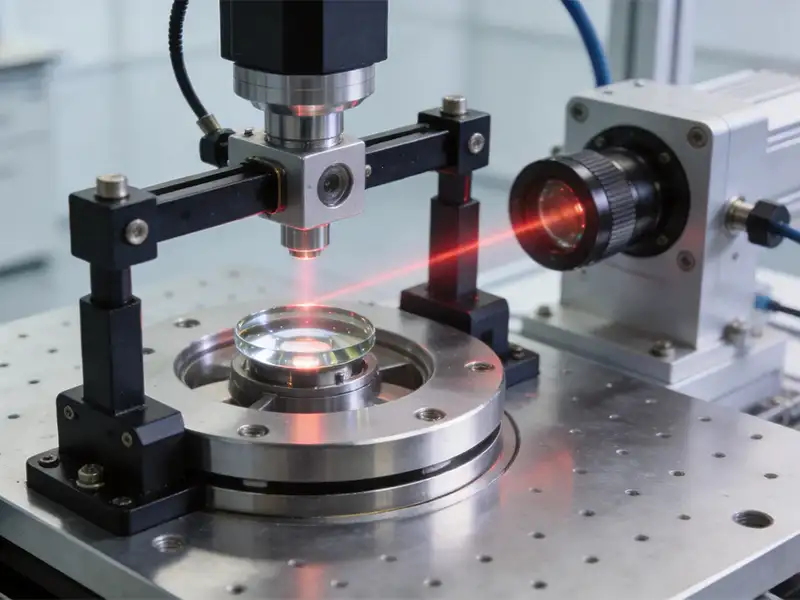
Optical and radar systems
Packaging and food processing machinery
Their compact design allows engineers to optimize performance without increasing system size.
Yes, proper lubrication is essential for performance and longevity. Options include:
Grease lubrication for sealed or maintenance-free applications
Oil lubrication for high-speed or high-temperature environments
In some specialized applications, solid lubricants or dry-film coatings may also be used.
Typical causes include:
Improper installation or misalignment
Insufficient or incorrect lubrication
Overloading beyond design limits
Contamination (dust, debris, moisture)
Excessive operating temperatures
Regular maintenance and correct selection can significantly extend bearing life.
Thin-section bearings are designed for space efficiency rather than maximum load capacity. While they can handle moderate loads, they are not suitable for heavy-duty applications unless specifically engineered.
For higher load requirements, engineers often use larger cross-section bearings or redesign the system.
The main differences include:
Cross-section size: Thin-section bearings have a much smaller and constant cross-section
Weight: Significantly lighter than standard bearings
Space efficiency: Ideal for compact designs
Load capacity: Generally lower than standard bearings
Thin-section bearings are chosen when design constraints prioritize compactness and precision over load capacity.
The lifespan depends on factors such as load, speed, lubrication, and operating conditions. Under proper conditions, they can achieve long service life comparable to standard bearings.
Using correct installation practices and regular maintenance can greatly improve durability.