Home- Blogs- Bearing Knowledge-The Ultimate Guide to Selecting Thin-Section Bearings for Your Design
Selecting the correct thin-section bearing is a critical step in optimizing modern mechanical designs where space, weight, and performance constraints collide. Unlike standard bearings, thin-section bearings offer a unique balance of low cross‑section height and high load capacity, making them indispensable for robotics, aerospace, medical devices, and precision instrumentation. This guide provides a systematic framework to help engineers and designers evaluate key parameters, compare options, and confidently specify the right bearing for their application—with a focus on the reliable solutions offered by BIBO Bearing.
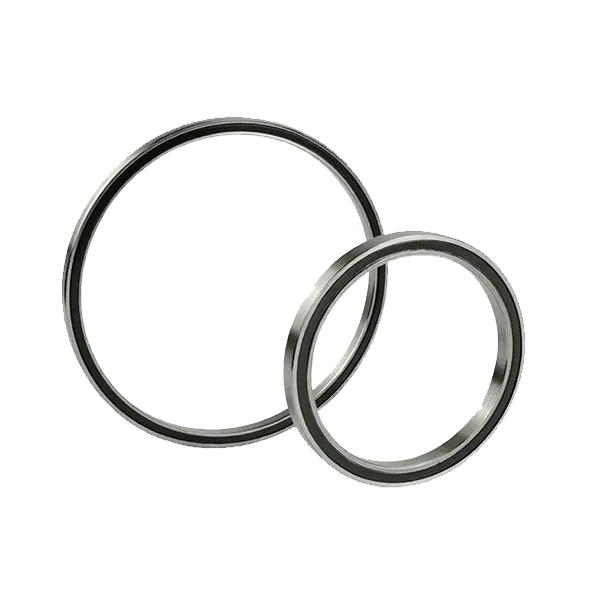
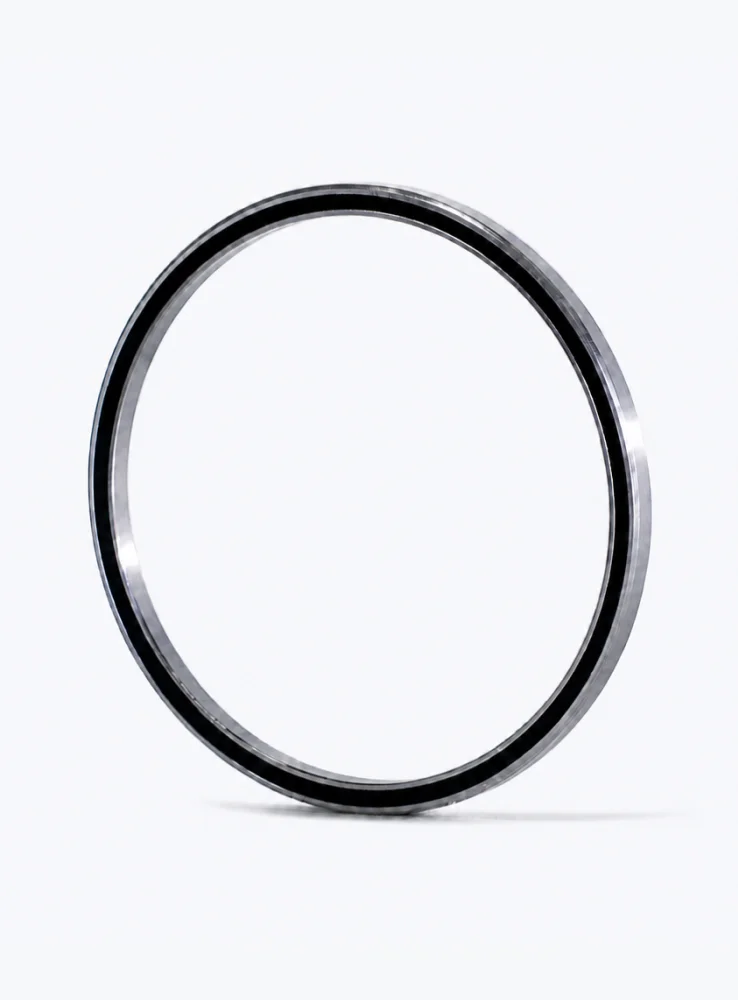
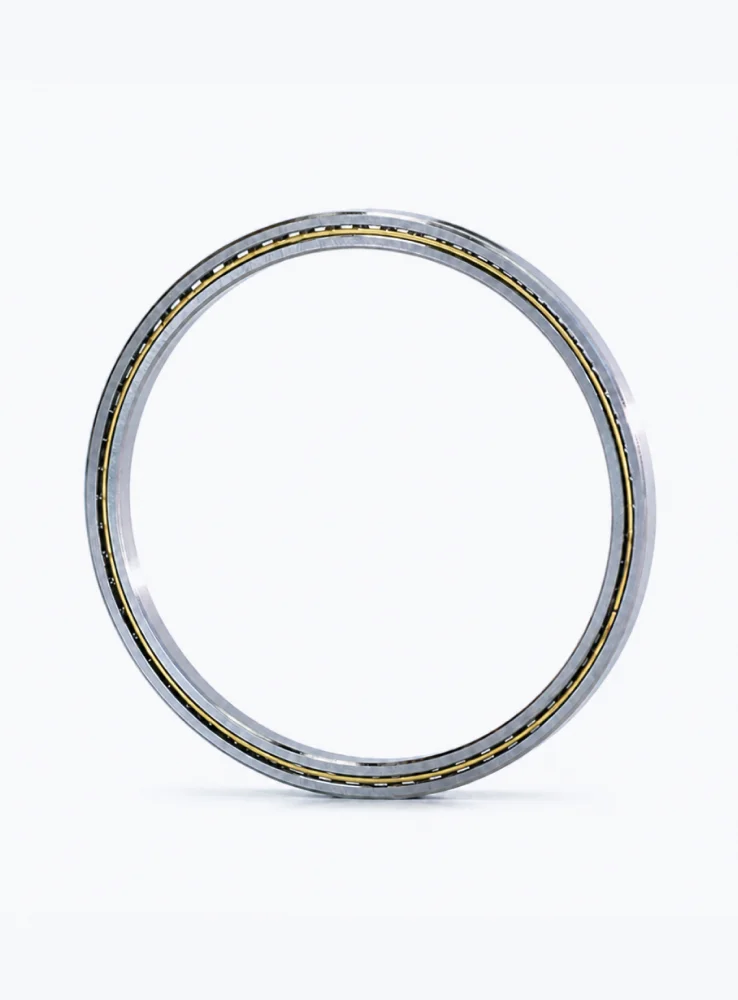
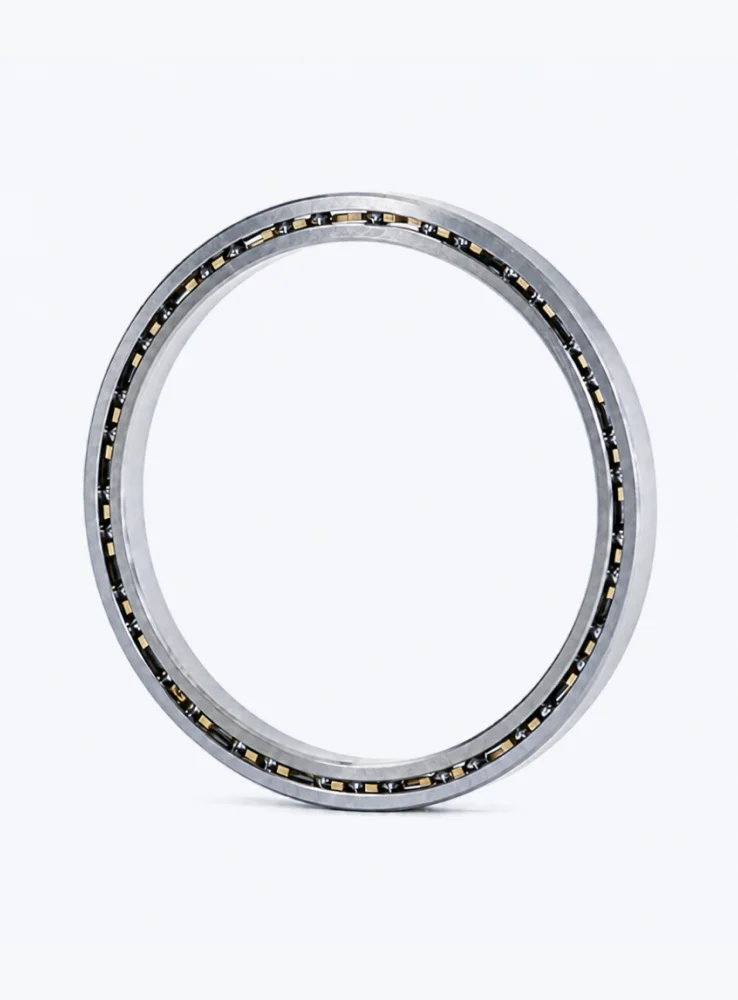
Thin-section bearings are a specialized class of rolling element bearings characterized by an unusually thin cross‑section relative to the bore diameter. Typical dimensions have a cross‑section height that is only a fraction of the bearing’s outer diameter, enabling significant space and weight savings. They come in three main types: deep groove, angular contact, and four‑point contact configurations. Each type serves different load and moment requirements.
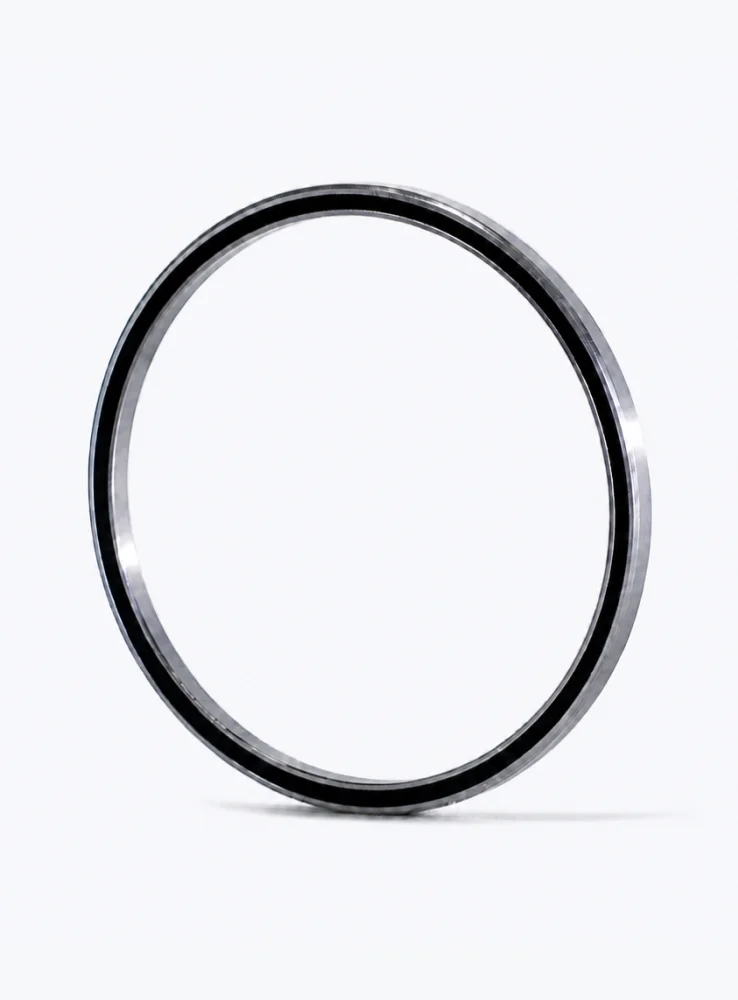
Choosing the right thin-section bearing requires evaluating several interdependent parameters. The following sub‑sections break down the most important factors.
Determine whether your application imposes radial, axial, or combined loads. For predominantly radial loads, deep groove or four‑point contact types are generally suitable. If moments or overturning forces are present, angular contact or paired bearings may be necessary. Always verify the dynamic and static load ratings (C and C0) against your load spectrum.
Thin-section bearings often operate at moderate to high speeds. The limiting speed depends on bearing type, cage material, and lubrication method. For grease‑lubricated designs, consider relubrication intervals; for oil‑lubricated systems, ensure adequate flow and cooling. BIBO Bearing offers optimized cage designs for reduced friction.
Applications like encoders, gimbals, and robotic joints demand tight runout and consistent torque. Specify ABEC/ISO tolerance classes (e.g., ABEC 5, 7, or 9) based on required rotational accuracy. Preload levels must also be carefully selected to eliminate play while avoiding excessive heat generation.
Standard thin-section bearings use 52100 chromium steel. For corrosive or vacuum environments, consider stainless steel (440C) or hybrid ceramic balls (Si3N4). Special coatings such as anti‑corrosion or dry‑film lubricants can extend service life in harsh conditions.
When evaluating suppliers, performance consistency and engineering support matter as much as technical specifications. The table below highlights key advantages of choosing BIBO Bearing thin-section bearings.
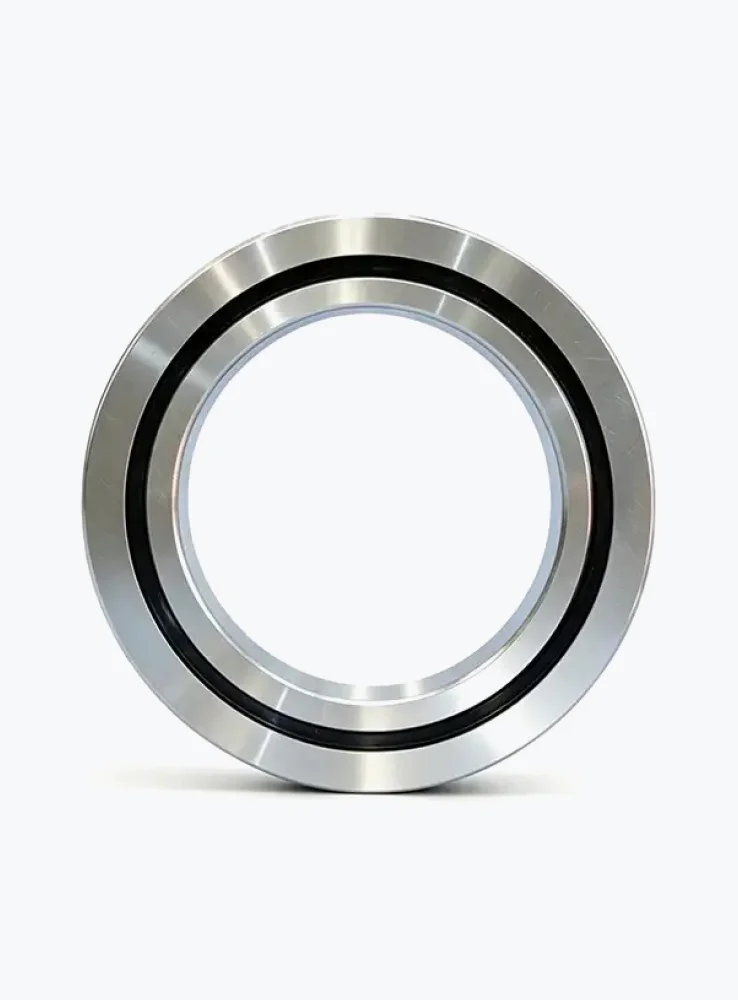
Different industries place distinct demands on thin-section bearings. The guidelines below reflect common practices.
Use four‑point contact thin-section bearings in rotary joints to handle combined moment loads. For high‑speed pick‑and‑place arms, deep groove types with low‑friction seals help maintain positioning accuracy.
Silent operation and cleanliness are vital. Specify stainless steel or hybrid bearings with labyrinth seals. BIBO Bearing’s CT‑scanner‑rated bearings undergo 100% noise testing.
Lightweight and high reliability are non‑negotiable. Choose angular contact pairs with thin cross‑sections to fit within tight housing bores. Verify material certifications for MIL‑spec compliance.
BIBO Bearing has specialized in thin-section bearings for over a decade, delivering consistent quality to OEMs and system integrators worldwide. Their engineering team collaborates directly with clients to refine preload, lubrication, and fit specifications. Every bearing is manufactured under strict quality control, with traceability from raw material to final assembly. Whether you need a standard catalog item or a custom design, BIBO Bearing provides the technical depth and supply reliability your project demands.
A: Lifespan depends on load, speed, and lubrication conditions. Using standard L10 calculation methods, many BIBO Bearing thin-section bearings exceed 10,000 hours under nominal conditions.
A: Standard thin-section bearings have limited self‑alignment capability. If misalignment is expected, consider a spherical or custom housing design, or consult BIBO Bearing for tailored solutions.
A: Unit cost can be higher due to tighter tolerances and specialized manufacturing. However, the overall system cost often decreases because of reduced housing size, weight, and assembly complexity.
Selecting the right thin-section bearing is a matter of balancing geometry, loads, speed, and environment. By following the criteria outlined above and partnering with a trusted manufacturer like BIBO Bearing, you can achieve reliable, high‑performance designs that meet the tightest constraints.
7 Factors Affecting Thin-Section Bearing Torque and Efficiency
Choosing the Right Thin-Section Bearing for High-Speed Spindles
Impact of Thin-Section Bearing Materials on Performance and Cost
Thin-Section Bearings in 3D Printers: Achieving Smooth Motion
How to Calculate Preload in Thin-Section Bearings for Zero Play
Thin-Section Bearing Lubrication Tips for Long Service Life