Home- Blogs- Bearing Knowledge-Thin-Section Bearings for Semiconductor Equipment: Why Precision Matters
In semiconductor manufacturing, every nanometer counts. Thin-section bearings are critical components in wafer handling robots, lithography stages, and metrology equipment, where even micron-level runout can cause yield loss. Understanding why precision matters—and how to select bearings that deliver consistent accuracy—directly impacts equipment uptime and defect rates. This article examines the role of thin-section bearings in semiconductor tools, explains the key precision parameters, and provides guidance for engineers evaluating suppliers, including the capabilities offered by BIBO Bearing.
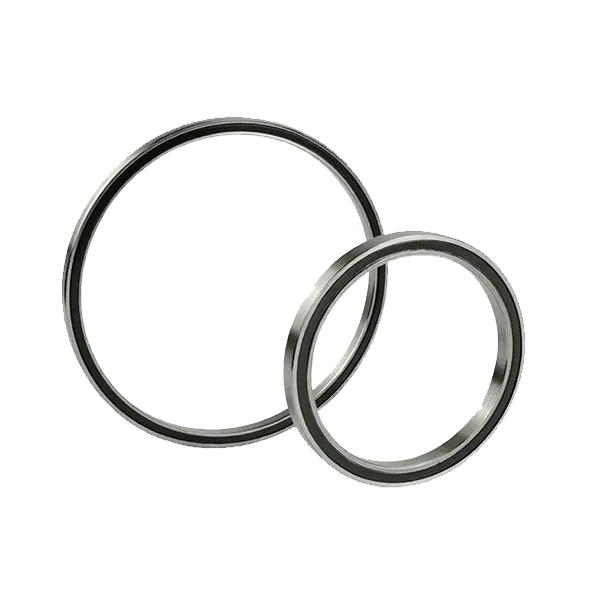
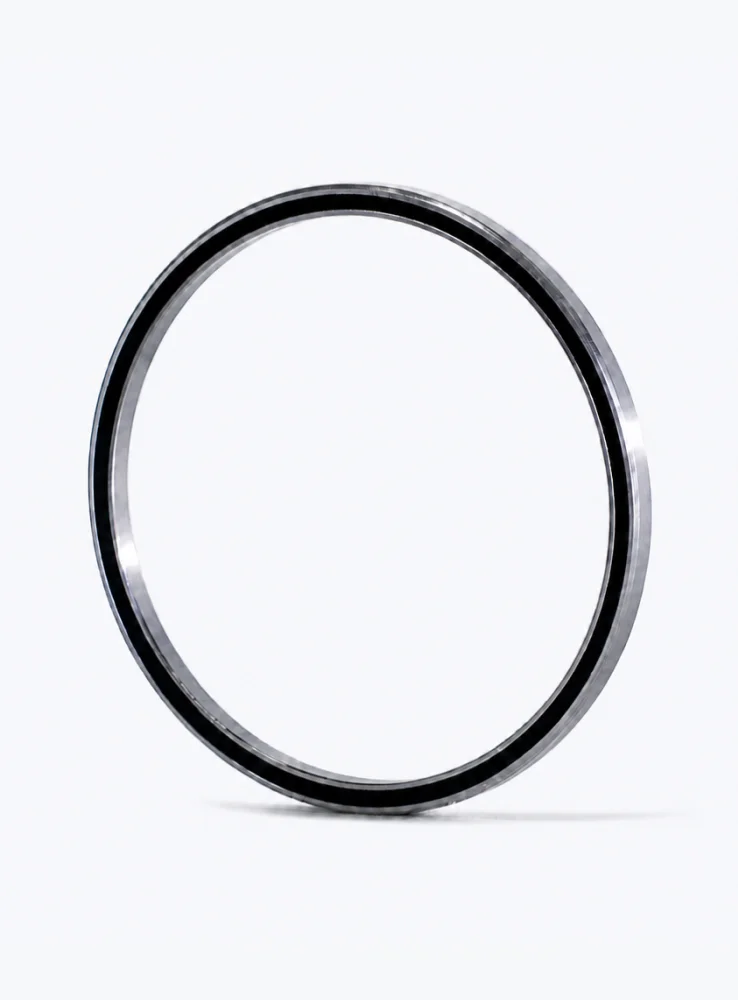
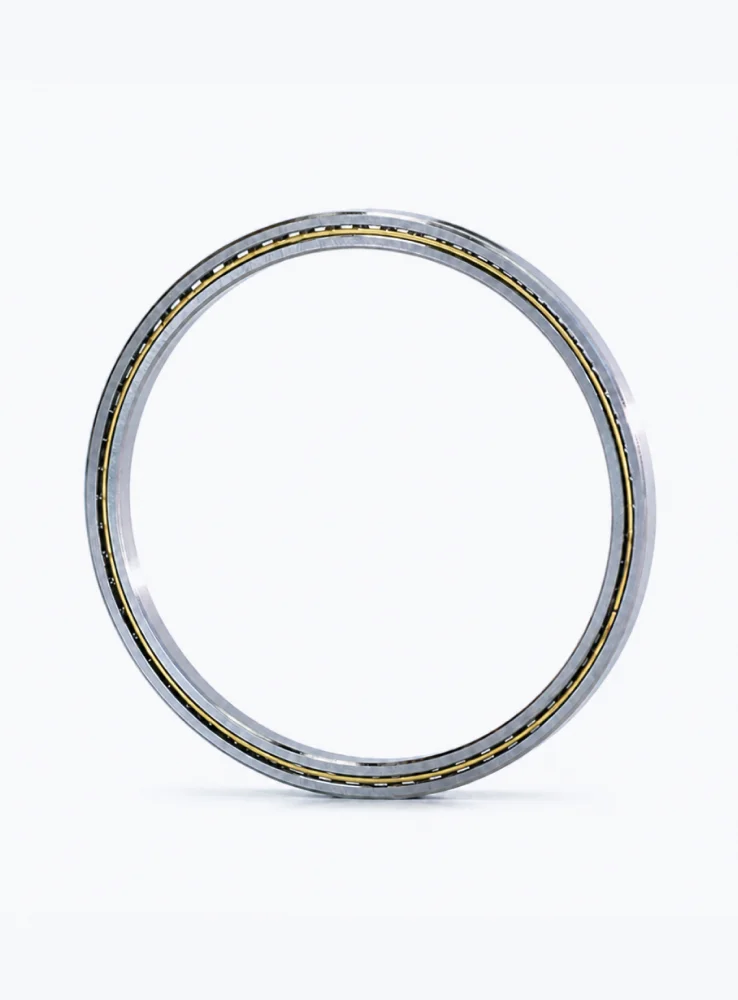
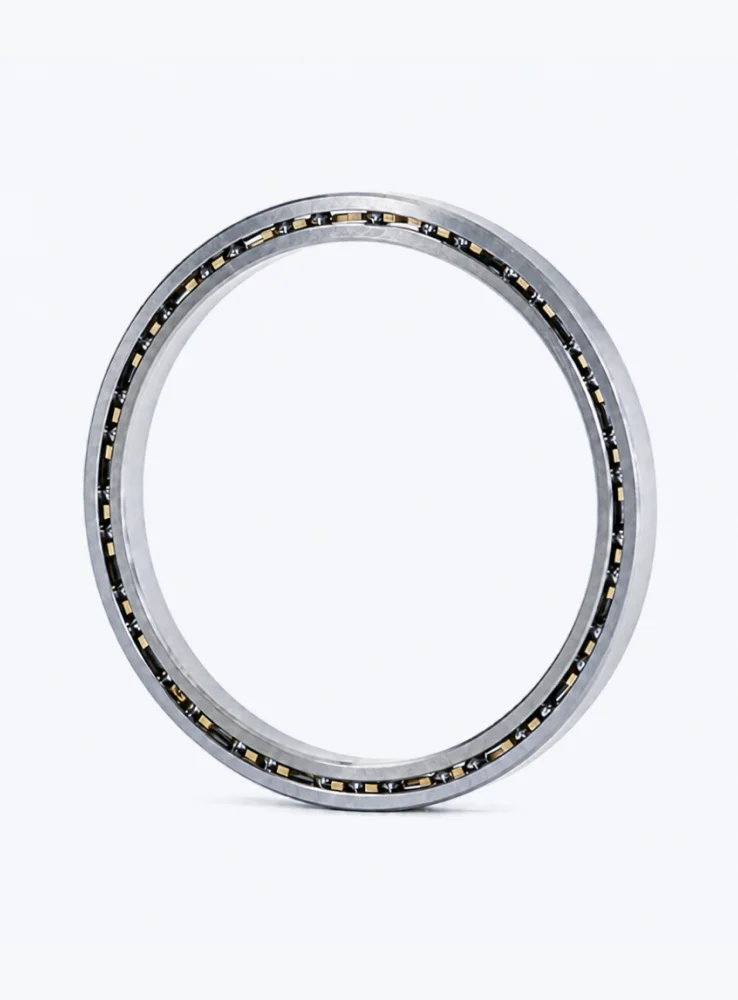
Thin-section bearings, characterized by their small cross-sectional height relative to bore diameter, are designed for space-constrained applications. In semiconductor equipment, they must maintain near-perfect rotational accuracy under varying loads, speeds, and temperatures. The consequences of insufficient precision include:
Precision is typically defined by ISO tolerance classes (P4, P2) or ABEC ratings, but semiconductor applications often demand tighter geometric tolerances for raceway roundness, surface finish, and radial/axial runout.
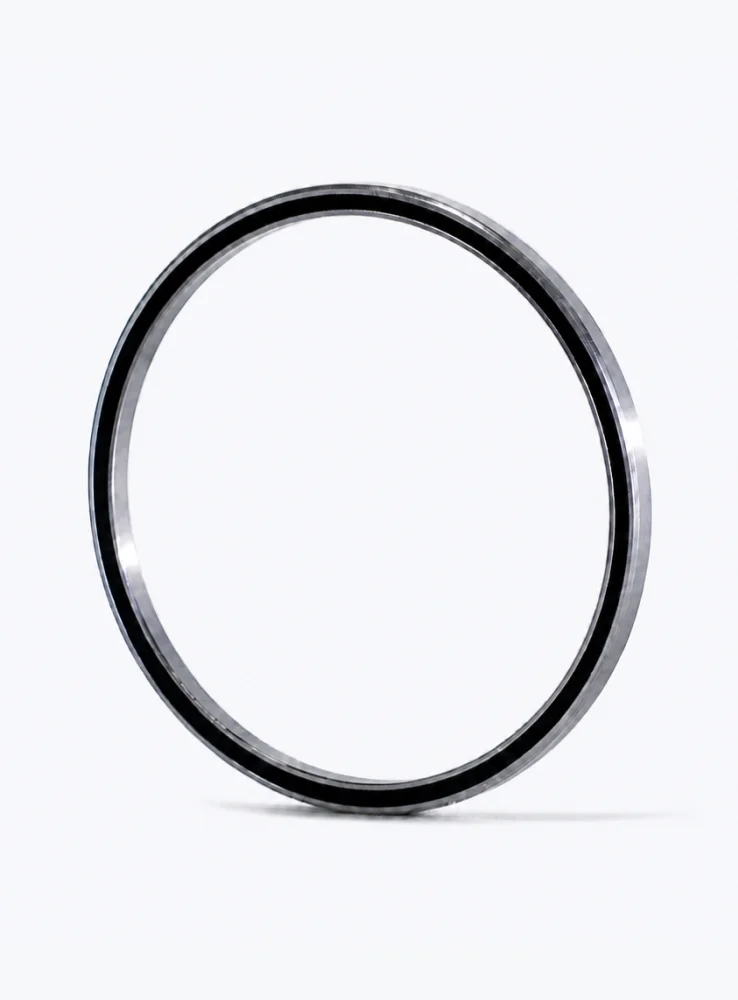
Radial runout describes the variation in the bearing's outer ring rotation relative to the inner ring. Axial runout affects face perpendicularity. In a wafer transfer robot, a radial runout of 2 µm can translate into a positioning error of several micrometers at the end effector, potentially misaligning a 300 mm wafer. High-precision thin-section bearings from manufacturers like BIBO Bearing are ground to sub-micron runout values, often below 1 µm for critical stages.
Angular contact thin-section bearings are often used in pairs to handle combined loads. The contact angle must be uniform across the raceway to maintain consistent stiffness. Variation leads to uneven load distribution and micro-sliding, which generates heat and particles. BIBO Bearing’s proprietary manufacturing process ensures contact angle deviation within ±0.5°, a key differentiator for equipment requiring repeatable preload.
Raceway and ball surface roughness directly influences starting torque and running noise. Typical Ra values for semiconductor-grade bearings are 0.02 µm or better. The bearing steel must be vacuum-degassed or double-melted (e.g., VIM-VAR) to minimize non-metallic inclusions that cause premature flaking. BIBO Bearing uses high-nitrogen martensitic steel for its thin-section series, offering enhanced hardness and fatigue resistance in cleanroom conditions.
Understanding the application-specific geometry helps narrow choices:
When selecting a manufacturer, consider these criteria beyond published dimensions:
BIBO Bearing has developed a dedicated Semiconductor Bearing Series that meets all these criteria, with standard radial runout of ≤1.5 µm for sizes up to 150 mm bore and optional tighter tolerances available by request.
A leading metrology tool manufacturer experienced micro‑positioning errors due to thermal drift in their bearing assemblies. By switching to BIBO high‑precision angular contact thin‑section bearings with matched preload sets, they reduced stage position repeatability from 0.8 µm to 0.2 µm. The proprietary raceway finishing also lowered starting torque variation, enabling smoother motion at low speeds. This improved wafer mapping accuracy and reduced rework rates by 15%. Such performance is not unusual when precision is prioritized early in the design phase.
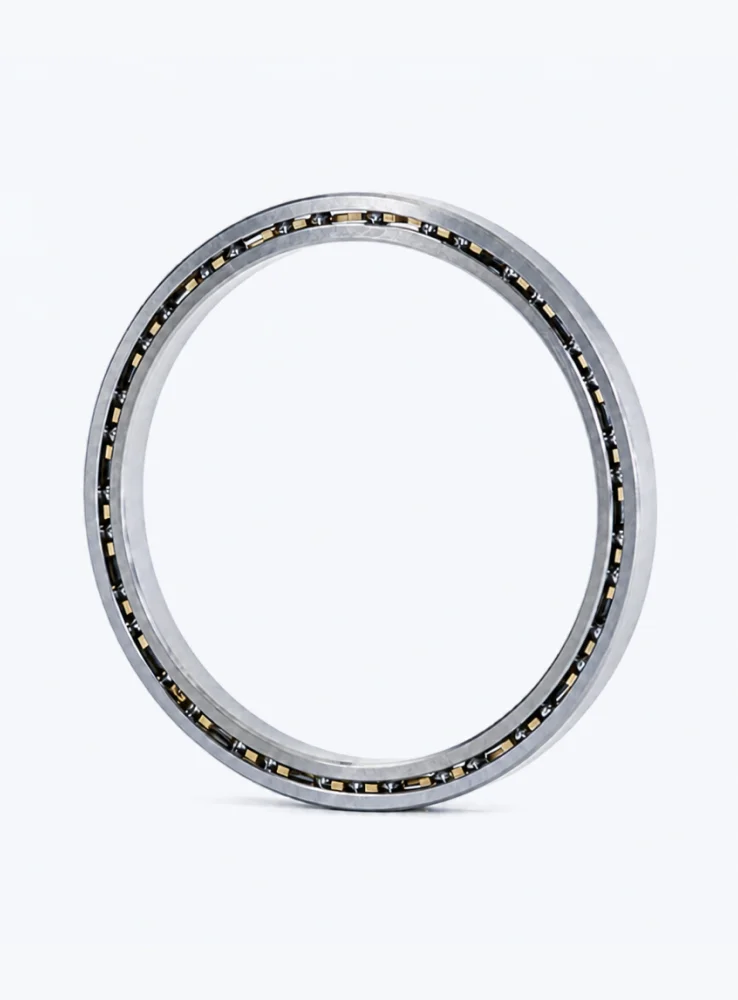
Perfluoropolyether (PFPE) greases with low outgassing properties are standard. BIBO Bearing offers pre-greased options with outgassing rates below 10⁻⁶ Torr·L/s·cm².
Yes, but cage design is critical. Phenolic or PEEK cages reduce inertia and handle higher speeds than standard steel cages. Speed ratings must be verified for each bearing size.
It depends on load cycles and cleanroom class. Typical maintenance intervals range from 10,000 to 30,000 hours for precision applications. BIBO Bearing provides condition monitoring guidelines based on vibration trend analysis.
Ultimately, the decision to invest in high-precision thin-section bearings for semiconductor equipment is driven by total cost of ownership—fewer rejects, less downtime, and longer tool lifespan. By partnering with a supplier like BIBO Bearing that understands the unique demands of cleanroom automation, engineers can achieve the repeatability and reliability that modern chip manufacturing requires.
Excellence in Thin-Walled Design: The NKAA10XP0 – Winning Market Trust Through Specialized, Precision-Engineered Innovation
7 Factors Affecting Thin-Section Bearing Torque and Efficiency
Choosing the Right Thin-Section Bearing for High-Speed Spindles
Impact of Thin-Section Bearing Materials on Performance and Cost
Thin-Section Bearings in 3D Printers: Achieving Smooth Motion
How to Calculate Preload in Thin-Section Bearings for Zero Play