Home- Blogs- Bearing Knowledge-7 Factors Affecting Thin-Section Bearing Torque and Efficiency
Thin-section bearings are critical components in applications where space and weight are at a premium, such as robotics, medical devices, and aerospace systems. Their torque and efficiency directly influence system power consumption, heat generation, and operational precision. Understanding the factors that affect these parameters is essential for engineers and designers seeking to optimize performance. BIBO Bearing, a specialist in high-precision thin-section bearings, provides this comprehensive analysis of the seven key factors that determine thin-section bearing torque and efficiency.
Lubrication is the most influential factor affecting thin-section bearing torque. The choice between grease, oil, or solid lubricants determines the baseline friction level. Grease lubrication typically increases starting torque due to its higher viscosity and consistency, but it offers excellent sealing against contaminants. Oil lubrication, whether through oil bath, circulation, or mist systems, provides lower friction and better heat dissipation. However, the condition of the lubricant is equally important: contamination with particles or degradation from oxidative aging can dramatically increase torque and reduce efficiency. BIBO Bearing recommends using high-quality, low-friction lubricants specifically formulated for thin-section bearings and maintaining a strict replacement schedule.
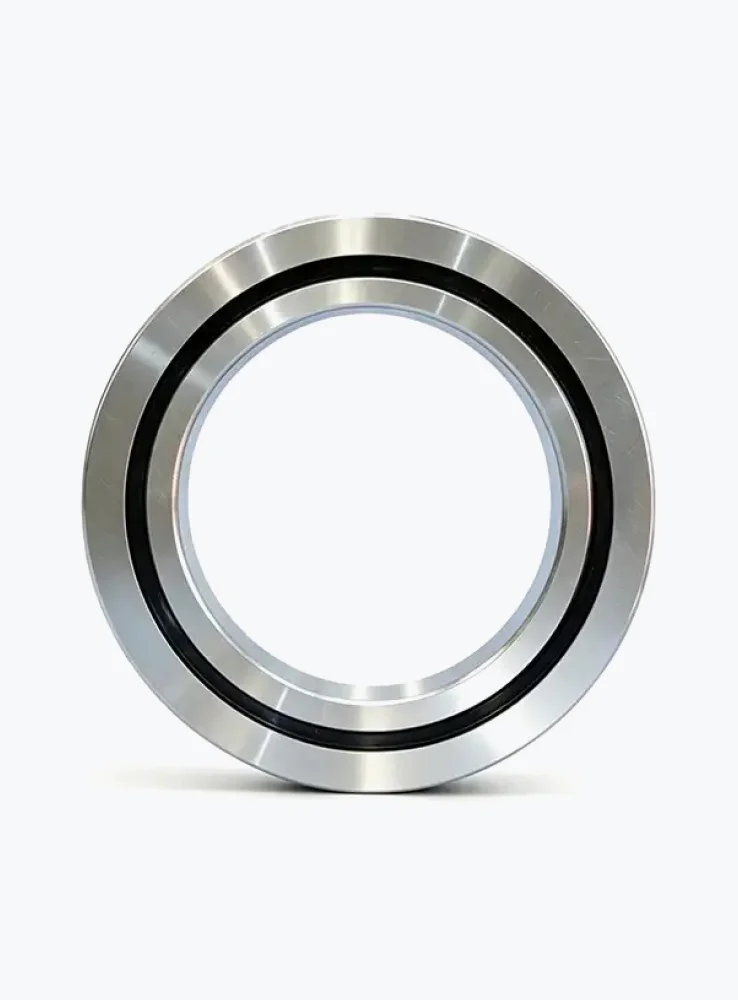
The internal clearance of a thin-section bearing is a carefully controlled parameter. Excessive clearance leads to ball skidding and increased torque under light loads, while insufficient clearance (negative clearance, i.e., preload) increases friction as the rolling elements are squeezed between raceways. Proper preload is essential for applications requiring high stiffness and positional accuracy, but it directly raises torque. Engineers must balance preload against efficiency requirements. BIBO Bearing offers bearings with customizable clearance grades (C2, C0, C3, etc.) and preload options to match specific application demands, ensuring optimal torque-efficiency trade-off.
Bearing ring and rolling element materials influence elastic deformation and frictional behavior. Traditional bearing steel (AISI 52100) provides a good balance, but ceramics (Si3N4) offer lower density and thermal expansion, reducing centrifugal forces and friction at high speeds. Surface finish is even more critical: lower surface roughness (Ra < 0.1 µm) reduces asperity contact and adhesive friction. BIBO Bearing uses super-finishing processes to achieve mirror-like raceways, minimizing torque fluctuations and improving efficiency by up to 15% compared to standard finishes.
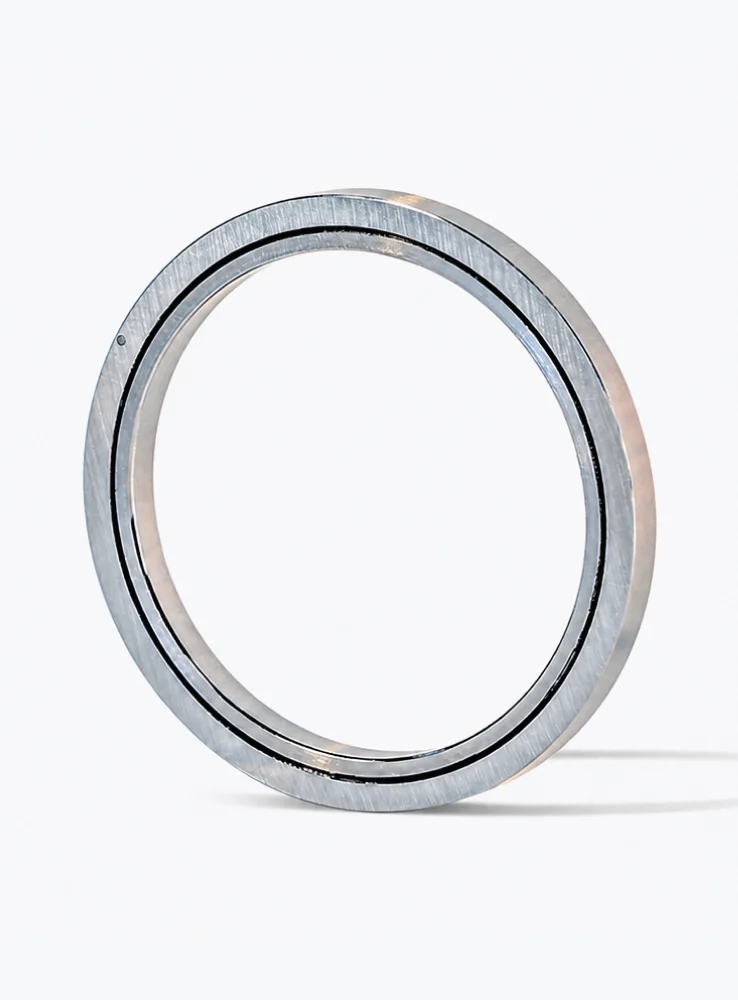
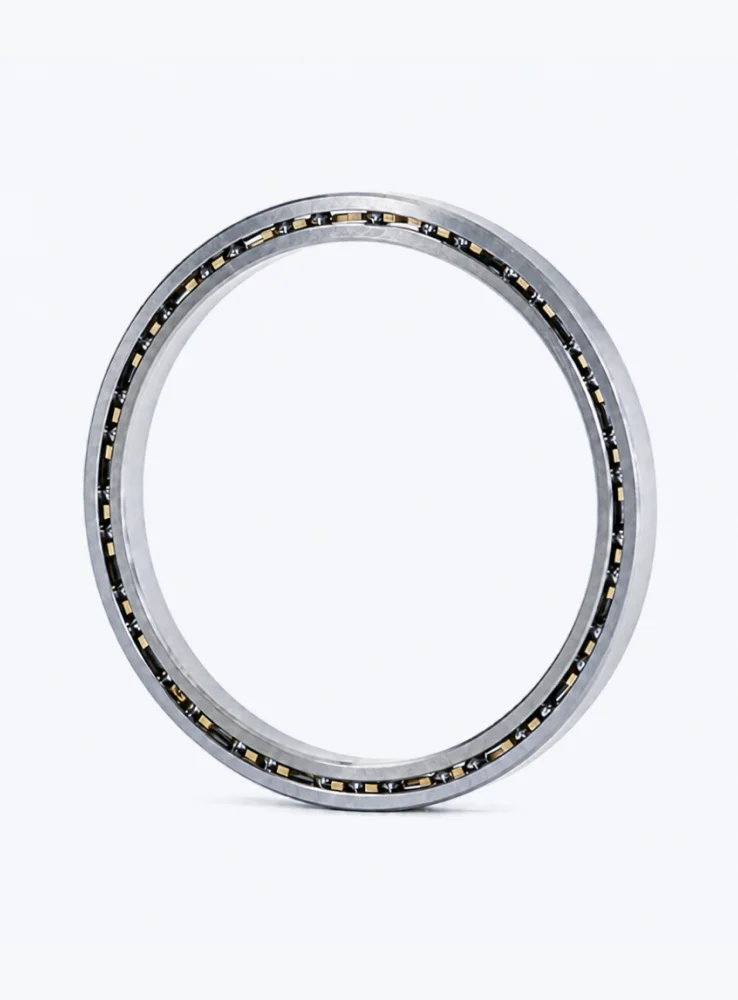
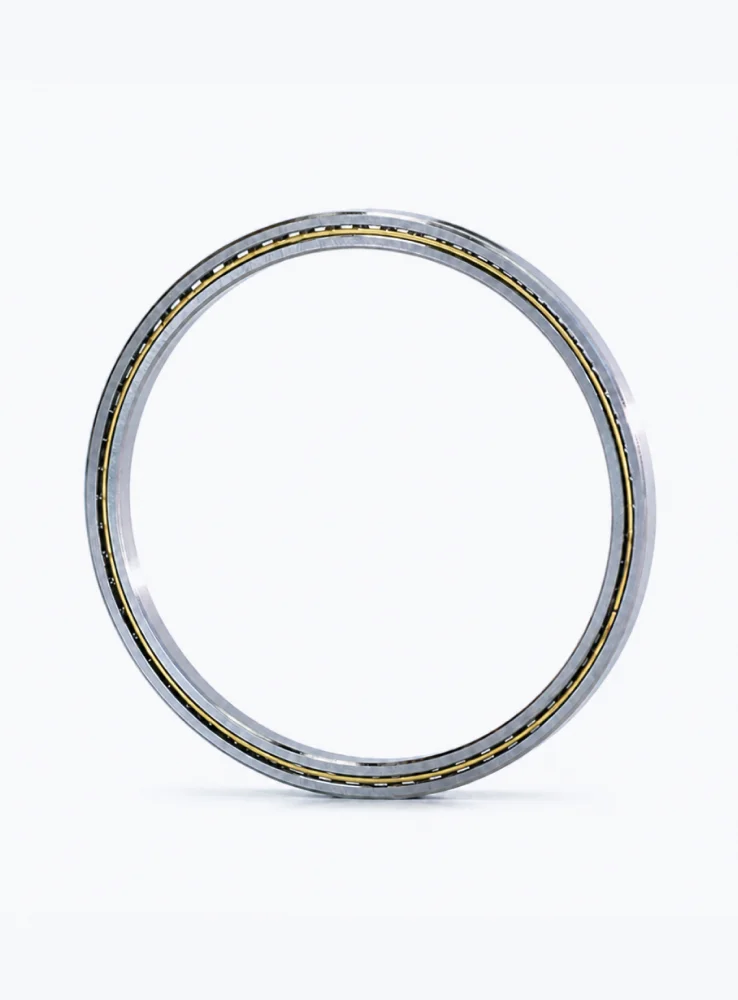
The cage (retainer) separates rolling elements and prevents mutual contact. In thin-section bearings, the cage adds frictional torque through sliding contact with rings and elements. Cage materials such as phenolic resin, polyamide (nylon), or brass affect friction and wear. Polymer cages offer low friction and good damping but lower temperature resistance. Cage pocket geometry – whether guided by the inner ring, outer ring, or rolling elements – also determines stability and torque. BIBO Bearing's optimized crown and finger-type cages reduce torque by up to 20% in high-speed applications while maintaining robust guidance.
Temperature affects lubricant viscosity and bearing materials. As temperature rises, grease viscosity drops, which can lower initial torque but may compromise film thickness, leading to metal-to-metal contact and increased wear. Conversely, very low temperatures thicken lubricants, raising starting torque. Thermal expansion alters internal clearance and preload. Thin-section bearings are particularly sensitive due to their thin cross-section. BIBO Bearing recommends temperature-stable lubricants and expanded clearance ranges for applications with wide thermal excursions.
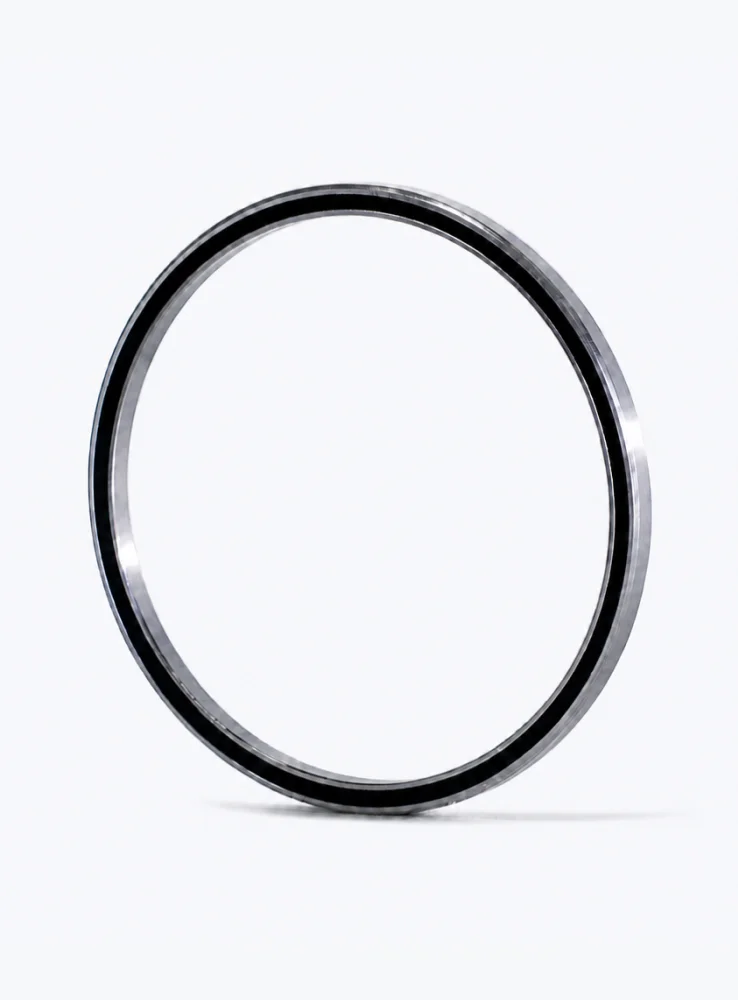
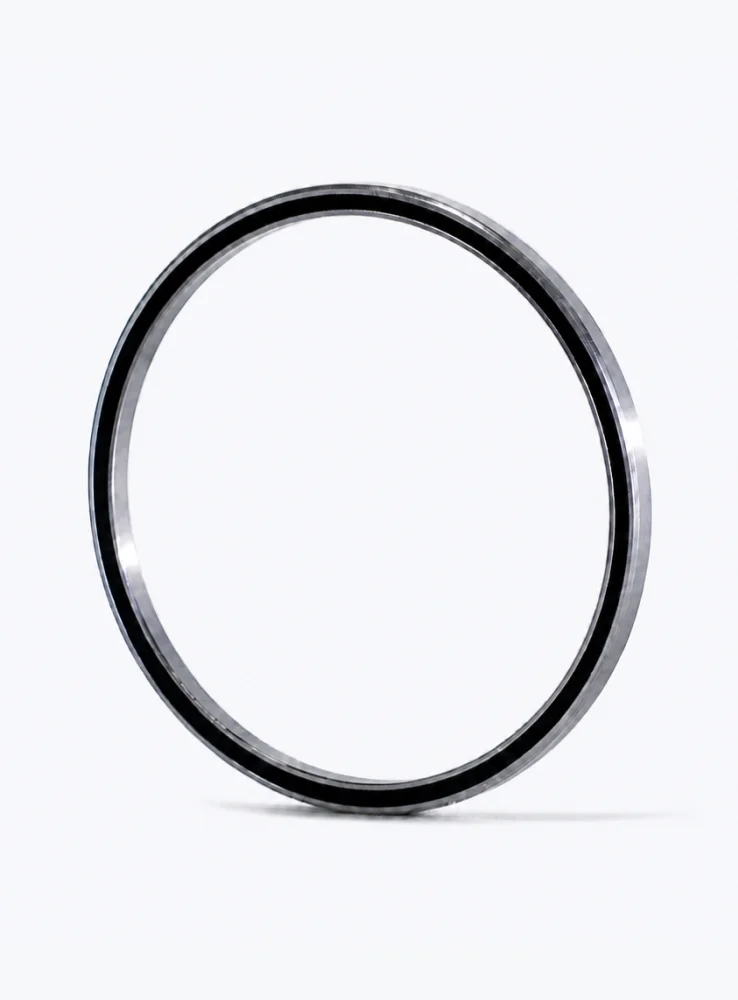
Even microscopic particles can increase thin-section bearing torque dramatically by acting as abrasives or upsetting the hydrodynamic film. Sealing solutions – shields, rubber seals, or labyrinth seals – protect against contaminants but add friction torque themselves. Non-contact seals (e.g., labyrinth types) offer minimal friction, while contact seals (e.g., RS type) provide superior protection at the cost of higher torque. BIBO Bearing offers customized sealing options with low-friction contact seals that maintain IP6X protection without excessive drag, balancing contamination resistance and efficiency.
Torque in rolling bearings consists of load-dependent and speed-dependent components. Under heavy radial loads, elastic deformation increases hysteresis and rolling friction. Under very light loads, ball skidding can increase torque unexpectedly. High rotational speeds increase centrifugal forces and churning of lubricant, raising viscous torque. The relationship is nonlinear. BIBO Bearing provides performance curves and simulation tools to help engineers predict torque behavior under specific load-speed combinations, enabling precise system design.
Q: Can I use standard lubricants in thin-section bearings?
Not recommended. Thin-section bearings have narrower raceways and are more sensitive to lubricant rheology. BIBO Bearing advises using low-torque greases with NLGI grades 1 or 2, or ISO VG 22–46 oils.
Q: How often should I replace lubricant in thin-section bearings?
It depends on speed, temperature, and contamination. For continuous operation, re-lubrication intervals typically range from 1,000 to 5,000 hours. Follow BIBO Bearing's maintenance guide for your specific series.
Q: Do thin-section bearings have higher torque than standard bearings?
In general, yes, due to their reduced cross-section and higher sensitivity to deflections. However, with careful selection of factors listed above, they can operate with acceptable efficiency. BIBO Bearing's high-performance series achieve torque levels comparable to conventional bearings.
By understanding these seven factors, engineers can make informed decisions to optimize thin-section bearing torque and efficiency. BIBO Bearing continues to innovate in material science, surface engineering, and design refinement to deliver bearings that meet the most demanding performance criteria. For application-specific advice, contact our engineering team.
Choosing the Right Thin-Section Bearing for High-Speed Spindles
Impact of Thin-Section Bearing Materials on Performance and Cost
Thin-Section Bearings in 3D Printers: Achieving Smooth Motion
How to Calculate Preload in Thin-Section Bearings for Zero Play
Thin-Section Bearing Lubrication Tips for Long Service Life
Why Thin-Section Bearings Are Critical for Miniature Satellite Mechanisms