Home- Stainless Steel Bearing-Stainless Steel Four-Point Contact Ball Bearing
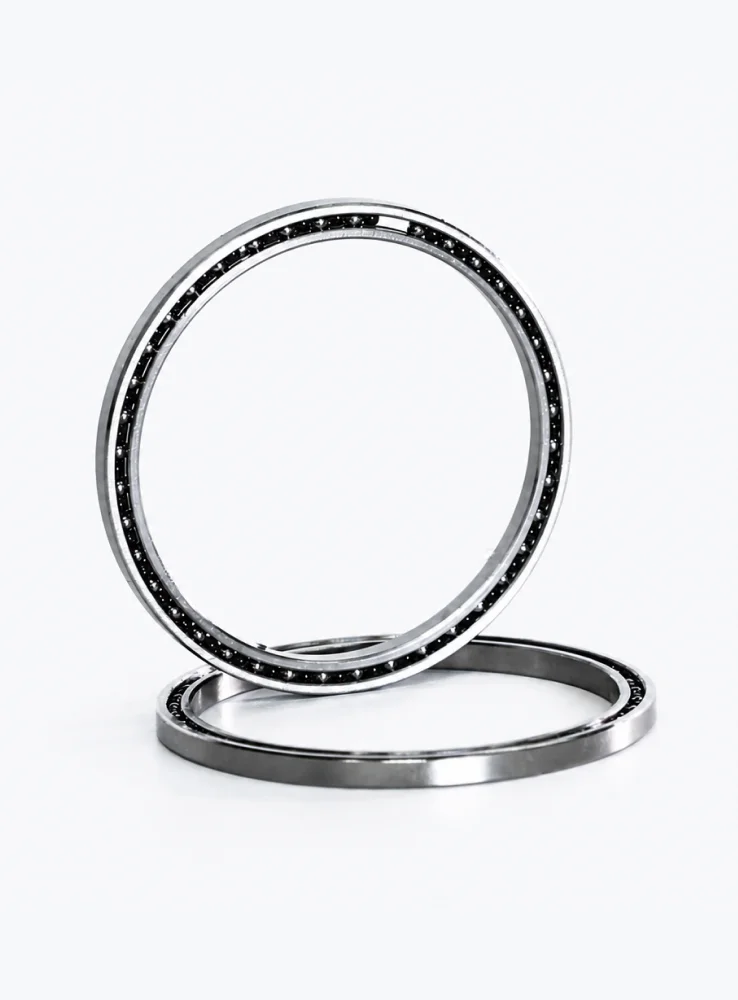
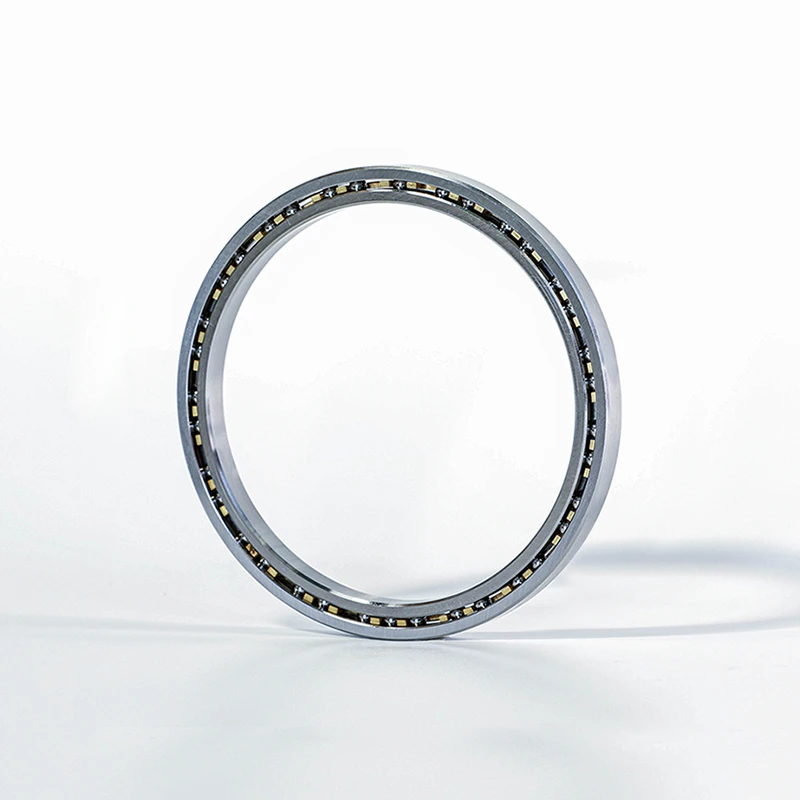
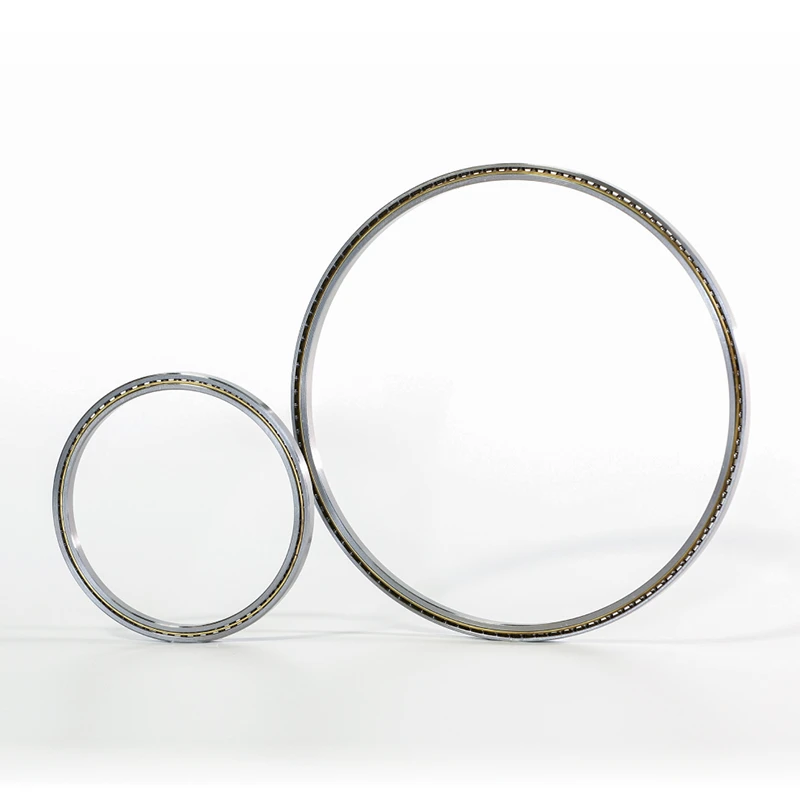
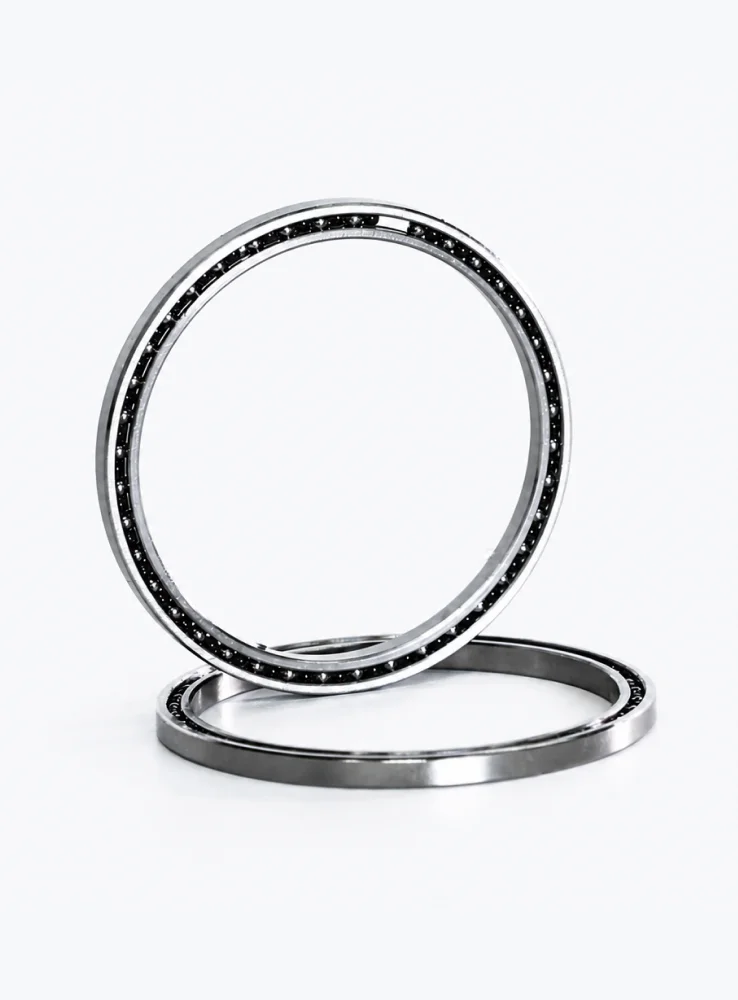
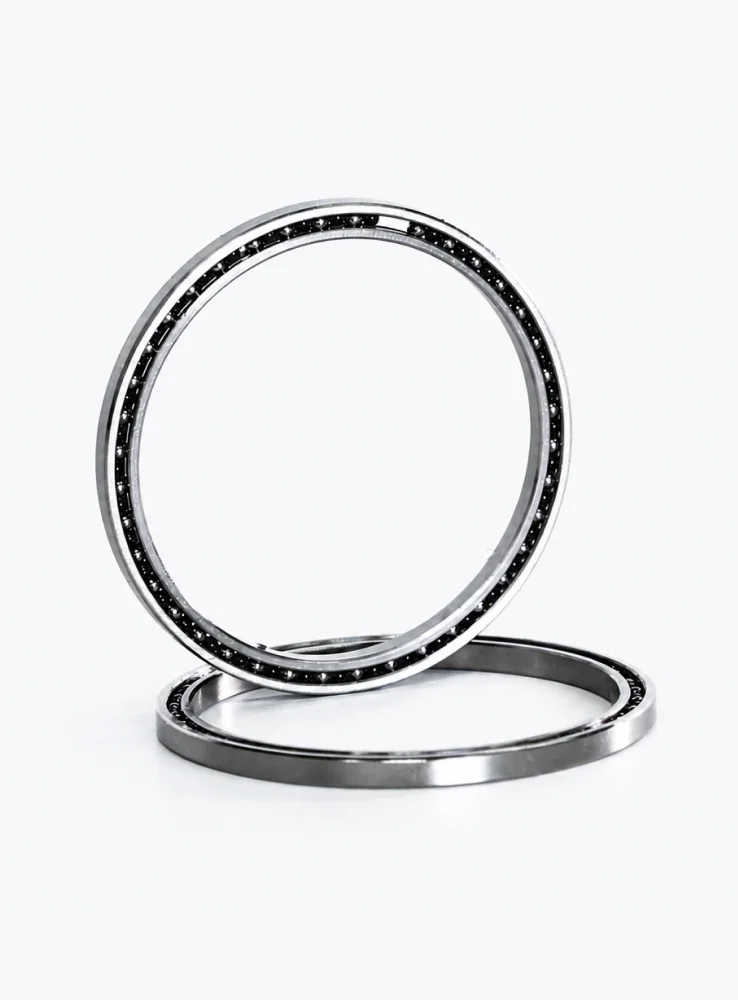
Stainless steel four-point contact ball bearing is designed for applications requiring corrosion resistance, compact construction, and reliable multi-directional load capacity. Manufactured from high-quality stainless steel, it provides excellent resistance to moisture, oxidation, and harsh operating environments while its four-point contact raceway design allows the bearing to accommodate axial loads, radial loads, and overturning moments in a single bearing. It is well suited for medical equipment, food-processing machinery, automation systems, robotics, optical devices, and other precision applications where cleanliness, durability, and stable performance are essential.
Stainless steel four-point contact ball bearings are a special type of angular contact ball bearing. Their inner and outer ring raceways are designed with a four-point contact structure, allowing a single bearing to simultaneously withstand radial loads, bidirectional axial loads, and a certain overturning moment.
During operation, the steel balls form four contact points with the raceways, achieving a uniform force distribution. This design not only improves load-bearing efficiency but also effectively reduces friction and heat accumulation, ensuring stable operation of equipment under high-speed or intermittent load conditions.
This product is manufactured using high-quality stainless steel, which offers superior corrosion resistance and environmental adaptability compared to ordinary bearing steel. Especially in humid, acidic/alkaline environments or food-grade and medical-grade applications, stainless steel significantly reduces the risk of rust and extends equipment maintenance intervals.
Furthermore, stainless steel maintains good dimensional stability even at high temperatures, allowing the bearing to maintain precision operation under complex working conditions.
The Stainless Steel Four-Point Contact Ball Bearing offers the following core performance advantages:
First, this bearing can simultaneously withstand multi-directional loads within a single structure, reducing reliance on multiple bearing combinations and simplifying mechanical design.
Second, its compact design helps save installation space, making it particularly suitable for space-constrained precision equipment and lightweight mechanical systems.
Third, the optimized raceway contact angle design improves operational smoothness, reducing vibration and noise during high-speed rotation and increasing overall operating efficiency.
Finally, its excellent lubrication retention and low coefficient of friction ensure stable performance even under prolonged continuous operation.
This type of bearing is widely used in various industrial sectors. For example, in industrial robot joint systems, it provides stable support and flexible rotational performance; in medical imaging equipment, its low noise and high precision characteristics contribute to improved imaging stability; in food processing machinery and packaging equipment, the stainless steel material ensures compliance with hygiene and corrosion resistance requirements; and it also plays a crucial role in new energy equipment and automated production lines.
When selecting stainless steel four-point contact ball bearings, factors such as load type, speed range, installation space, and working environment must be comprehensively considered. For high-load or impact conditions, it is recommended to choose a reinforced structure or a preload design to improve overall rigidity.
Regarding routine maintenance, although stainless steel has good corrosion resistance, it is still recommended to regularly check the lubrication status and sealing performance to ensure long-term stable operation and reduce the risk of unplanned downtime.
Through a combination of rational structural design and high-quality materials, stainless steel four-point contact ball bearings not only improve mechanical performance but also provide important support for equipment miniaturization and high reliability. For industrial applications that demand high precision and long service life, this type of bearing has significant technical and economic value.
1. What is a stainless steel four-point contact ball bearing used for?
A stainless steel four-point contact ball bearing is designed for applications where one bearing must simultaneously support radial loads, axial loads in both directions, and tilting moments. Engineers commonly use it in robotics, automation systems, medical equipment, and machinery operating in corrosive or high-humidity environments because it combines load versatility with corrosion resistance.
2. How does a four-point contact bearing differ from a standard ball bearing?
A standard ball bearing typically handles radial load or limited axial load in one direction, depending on its structure. A four-point contact ball bearing, however, uses a specially designed raceway that allows each ball to contact the rings at four points, enabling it to support combined loads in multiple directions within a single compact unit.
3. Why is stainless steel material important in this type of bearing?
Stainless steel significantly improves the bearing’s resistance to rust, moisture, and chemical exposure. This material choice makes the bearing suitable for demanding environments such as food processing, marine equipment, and medical devices, where contamination risk and corrosion protection are critical performance requirements.
4. Can stainless steel four-point contact ball bearings handle high-speed operation?
These bearings can operate at moderate to high speeds depending on the cage design, lubrication type, and load conditions. Engineers often select optimized internal clearance and precision grades to ensure stable performance while minimizing heat generation and vibration during continuous operation.
5. What are the main advantages of using this bearing in compact machinery?
Compact machinery benefits from this bearing because it replaces multiple bearing assemblies with a single unit capable of handling complex loads. This reduces installation space, simplifies design structure, and improves overall system efficiency without compromising load-bearing capacity.
6. In which industries are these bearings most commonly applied?
Industries that require precision, durability, and corrosion resistance frequently rely on this bearing type. Typical applications include industrial automation, CNC equipment, robotics, medical imaging systems, packaging machinery, and renewable energy devices.
7. How should stainless steel four-point contact ball bearings be maintained?
Maintenance practices typically focus on proper lubrication and periodic inspection of seals and running conditions. Even though stainless steel offers strong corrosion resistance, maintaining appropriate lubrication ensures reduced friction, extended service life, and consistent operational accuracy.
8. How can I choose the right size and specification?
Selection depends on several engineering factors, including load direction, operating speed, installation constraints, and environmental conditions. Technical consultation or load analysis is often recommended to ensure the selected bearing matches the mechanical requirements and expected service conditions.
9. What problems can occur if the wrong bearing type is selected?
Using an unsuitable bearing may lead to excessive wear, increased vibration, reduced precision, and premature failure of mechanical components. A properly matched four-point contact bearing helps maintain system stability and extends equipment lifespan under complex load conditions.

| Part number | Dimension(mm) | Basic cap | Limiting load | Weight | |||
| d | D | Radial (N) | (g) | ||||
| Cor | Cr | Thrust(N) | Moment(N-m) | ||||
| NS03503XS0 | 35 | 41 | 711 | 585 | 1045 | 7.9 | 5 |
| NS06003XS0 | 60 | 66 | 1208 | 847 | 934 | 11.8 | 9 |
| NS07003XS0 | 70 | 76 | 1407 | 934 | 890 | 13 | 11 |
| NS07403XS0 | 74 | 80 | 1487 | 965 | 867 | 13.4 | 11 |
| NS08003XS0 | 80 | 86 | 1606 | 1015 | 845 | 14 | 12 |
| NS09003XS0 | 90 | 96 | 1805 | 1096 | 801 | 14.9 | 13 |
| NS10003XS0 | 100 | 106 | 2003 | 1177 | 756 | 15.6 | 15 |
| NS11003XS0 | 110 | 116 | 2201 | 1252 | 734 | 16.6 | 16 |
| NS12003XS0 | 120 | 126 | 2400 | 1320 | 689 | 17 | 18 |
| NS13003XS0 | 130 | 136 | 2618 | 1401 | 645 | 17.2 | 19 |
| NS14003XS0 | 140 | 146 | 2818 | 1470 | 623 | 17.8 | 21 |
| NS15003XS0 | 150 | 156 | 3016 | 1528 | 601 | 18.4 | 22 |
| NS16003XS0 | 160 | 166 | 3215 | 1600 | 578 | 18.9 | 24 |
| NS17003XS0 | 170 | 176 | 3413 | 1669 | 556 | 19.2 | 25 |