Home- Blogs- Bearing Knowledge-How to Select Thin-Section Bearings: A Practical Guide for Engineers and Buyers
Thin-section bearings have become a critical component in modern mechanical systems where space, weight, and performance must be optimized simultaneously. Industries such as robotics, medical devices, aerospace, and semiconductor equipment rely heavily on these compact bearings to achieve high precision without increasing overall system size. However, many engineers and procurement teams still face challenges when selecting the right thin-section bearing for their application. This guide explains how to make a well-informed selection based on real engineering considerations, rather than generic catalog data.
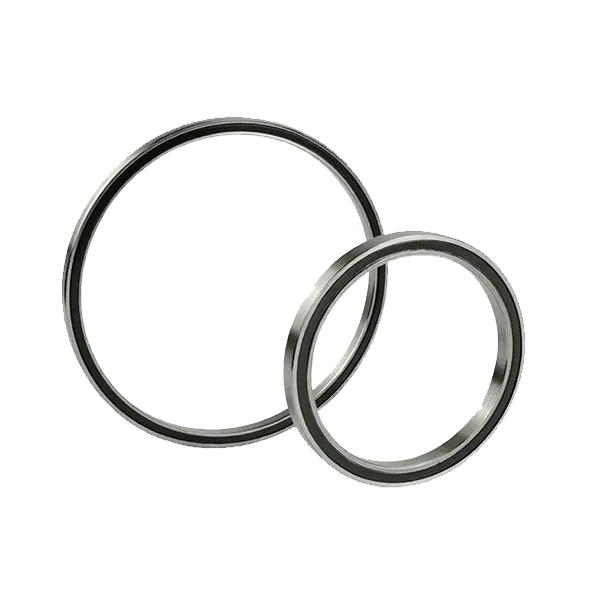
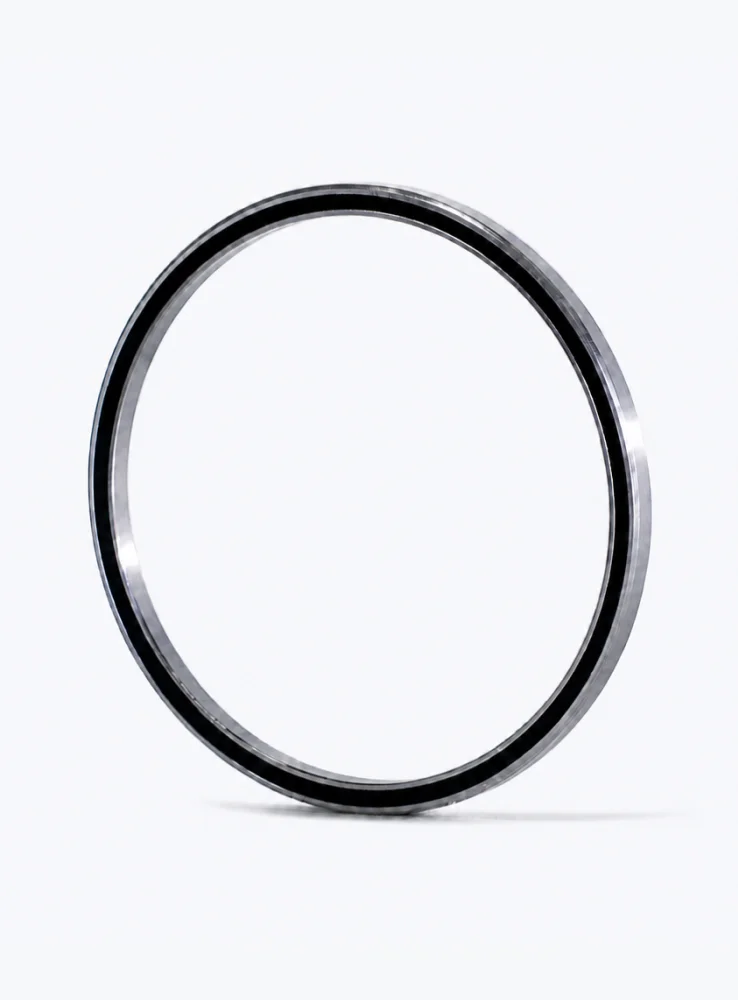
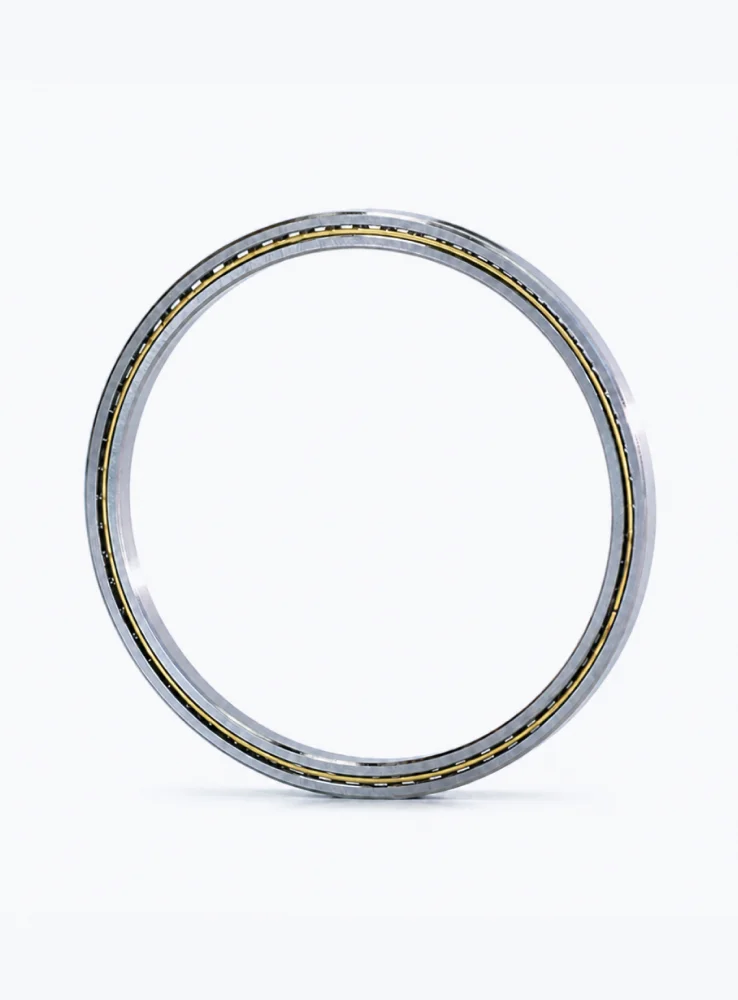
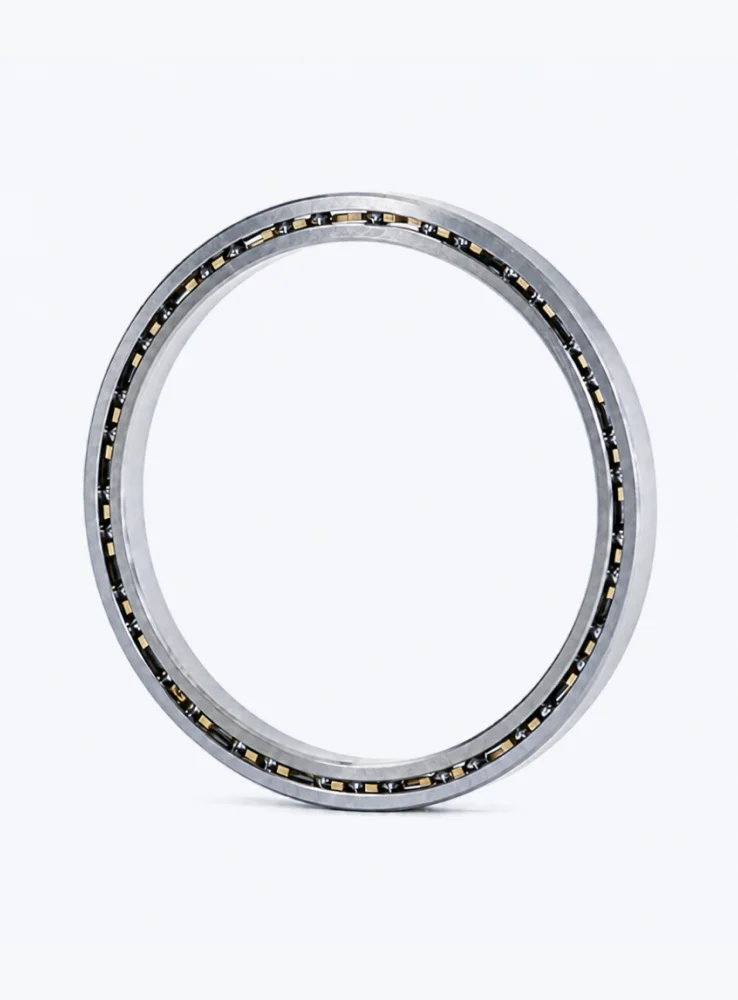
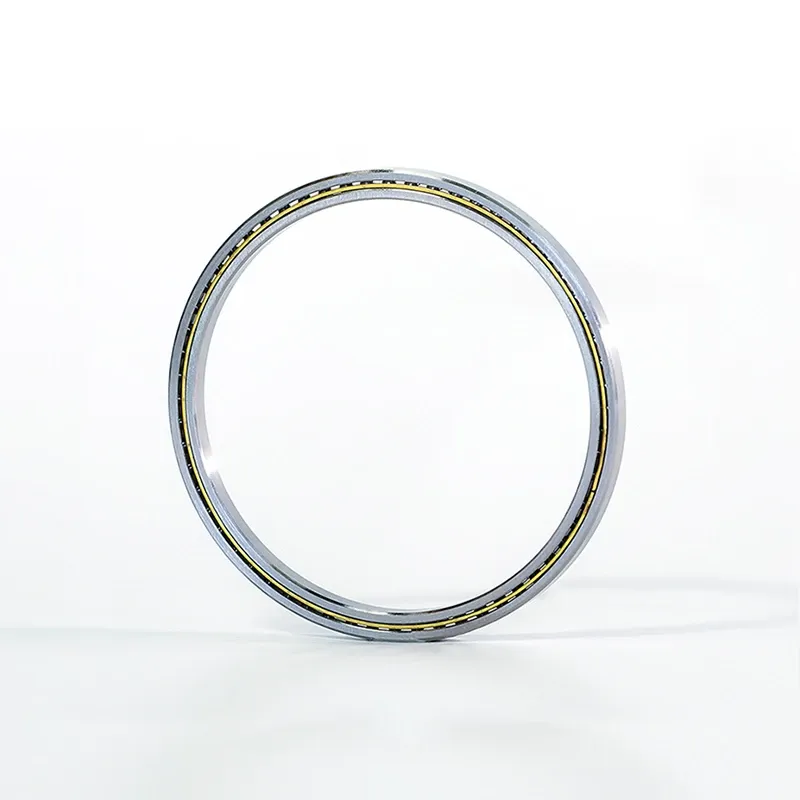
Thin-section bearings differ from standard bearings primarily in their cross-section, which remains constant regardless of bore size. This design allows engineers to use larger shaft diameters without increasing bearing thickness. As a result, systems can achieve better stiffness, lower weight, and improved space efficiency.
A design team must recognize that thin-section bearings are not simply smaller versions of conventional bearings. Their geometry influences load capacity, rigidity, and installation sensitivity. Therefore, selecting the correct type requires a clear understanding of application demands.
Step 1: Define Load Requirements Clearly
Engineers must begin by identifying the types of loads the bearing will handle. Most applications involve a combination of radial, axial, and moment loads. Thin-section bearings are typically available in three main configurations:
Radial contact bearings
Angular contact bearings
Four-point contact bearings
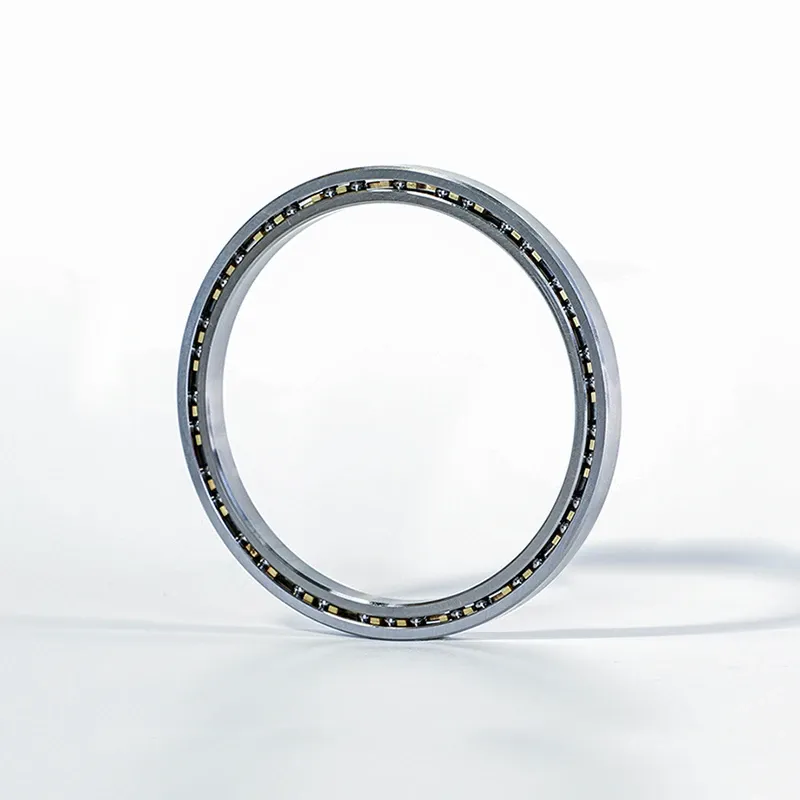
Each type serves a different purpose. For example, angular contact bearings can handle combined loads more effectively, while four-point contact bearings are often chosen when space constraints require a single bearing to support multi-directional loads.
A design team should calculate both static and dynamic loads accurately. Oversizing the bearing may increase cost unnecessarily, while undersizing it will reduce service life and reliability.
Step 2: Consider Space Constraints and Envelope Design
Space limitation is usually the primary reason for choosing thin-section bearings. However, engineers should not only focus on saving space but also on how the bearing integrates into the entire system.
The housing and shaft design must provide proper support to prevent deformation. Thin-section bearings have thinner rings, which means they are more sensitive to misalignment and housing inaccuracies. A well-designed mounting structure will ensure that the bearing performs as expected.
Step 3: Evaluate Precision and Runout Requirements
Applications such as medical imaging systems, robotic arms, and optical instruments demand extremely high precision. In these cases, bearing accuracy becomes a key selection factor.
Manufacturers typically offer different tolerance grades. A higher precision grade ensures lower runout and smoother operation but comes at a higher cost. Engineers should match the precision level to the actual application requirement instead of selecting the highest grade by default.
Step 4: Analyze Speed and Friction Characteristics
Operating speed significantly affects bearing performance. Thin-section bearings generally support moderate to high speeds, but lubrication, cage design, and internal clearance all play important roles.
If the application involves high rotational speeds, the design team should consider:
Low-friction materials
Optimized lubrication methods (grease or oil)
Proper internal clearance to avoid overheating
Ignoring these factors can lead to premature failure due to excessive heat generation.
Step 5: Select the Right Material and Surface Treatment
Material selection directly impacts durability, corrosion resistance, and operating life. Standard thin-section bearings are usually made from high-quality bearing steel, but special environments may require alternative materials.
For example:
Stainless steel is suitable for corrosive or cleanroom environments
Ceramic hybrid bearings offer lower weight and higher speed capability
Special coatings improve wear resistance and reduce friction
An engineer should evaluate environmental conditions such as humidity, temperature, and contamination before making a final decision.
Step 6: Understand Installation and Maintenance Requirements
Thin-section bearings require careful handling during installation. Improper mounting can easily distort the rings, which will affect performance and lifespan.
A reliable installation process should include:
Accurate shaft and housing tolerances
Even mounting force distribution
Clean working environment
Maintenance planning is equally important. While some applications use sealed or lubricated-for-life bearings, others may require periodic lubrication. The selection should align with the maintenance capabilities of the end user.
Step 7: Work with a Knowledgeable Supplier
Selecting a thin-section bearing is not only a technical decision but also a collaboration process. A professional supplier can provide valuable insights based on real-world experience, including application-specific recommendations and customization options.
A trustworthy manufacturer should offer:
Detailed technical support
Custom design capabilities
Proven quality control processes
Application case references
These factors contribute to long-term reliability and reduce the risk of unexpected failures.
Common Mistakes to Avoid
Many buyers make avoidable mistakes during the selection process. Some of the most common issues include:
Focusing only on price instead of performance
Ignoring installation conditions
Selecting incorrect bearing type for load conditions
Overlooking environmental factors
A structured selection process can help prevent these problems and ensure optimal performance.
1. How do I choose between angular contact and four-point contact thin-section bearings?
Engineers should select angular contact bearings for applications requiring higher rigidity and directional load support, while four-point contact bearings are better for compact designs handling multi-directional loads.
2. Are thin-section bearings suitable for high-speed applications?
Thin-section bearings can operate at high speeds if lubrication, clearance, and material selection are properly optimized.
3. What is the biggest risk when using thin-section bearings?
The most common risk is deformation caused by improper installation or insufficient housing support.
4. How long do thin-section bearings typically last?
Service life depends on load, speed, lubrication, and environment. Proper selection and installation significantly extend lifespan.
Selecting the right thin-section bearing requires more than simply choosing a size from a catalog. Engineers must consider load conditions, space limitations, precision requirements, operating speed, material properties, and installation factors as part of a complete system design.
A well-selected bearing will improve equipment performance, extend service life, and reduce maintenance costs. On the other hand, a poor selection can lead to frequent failures and higher long-term expenses.
For companies aiming to enhance their product reliability and competitiveness, investing time in proper bearing selection is not optional. It is a strategic decision that directly affects system efficiency and customer satisfaction.
Luoyang BOBI Precision Bearing Recognized as The Qualified Supplier; Focuses on High-Perf. Lightweight Geared Turntable Bearings
Luoyang BOBI Precision Bearings Secures Custom Ceramic Bearing Order: Technological Innovation Drives High-End Applications
University-Enterprise Collaboration Bears Fruit: Luoyang BOBI Precision Bearing Co., Ltd. Supports Development of Search-and-Rescue Robotic Canine
How to Select the Material for Thin-Section Bearings: A Practical Engineering Guide for Reliable Performance
How Much Axial Force Can a Thin-Section Deep Groove Ball Bearing Withstand?