Home- Blogs- Bearing Knowledge-5 Key Benefits of Using Thin-Section Bearings in Medical Devices
The integration of miniaturized, high-precision components is a defining characteristic of modern medical device engineering. Among these critical components, thin-section bearings have emerged as a preferred solution for applications ranging from surgical robotics to diagnostic imaging systems. With their unique geometry—where the cross-section remains constant regardless of bore diameter—these bearings offer distinct advantages that directly impact device performance, patient safety, and operational longevity. This article explores the five key benefits of using thin-section bearings in medical devices, providing engineers and procurement professionals with the technical rationale needed to make informed design decisions. As a trusted manufacturer, BIBO Bearing delivers high-quality thin-section bearings engineered to meet the stringent demands of the medical industry.
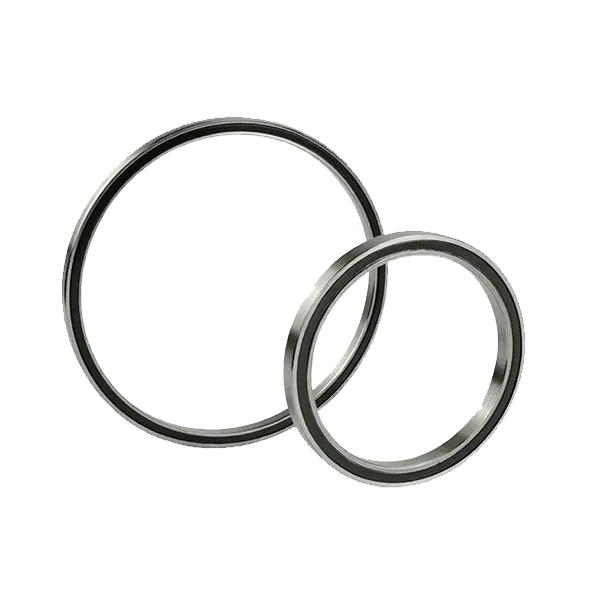
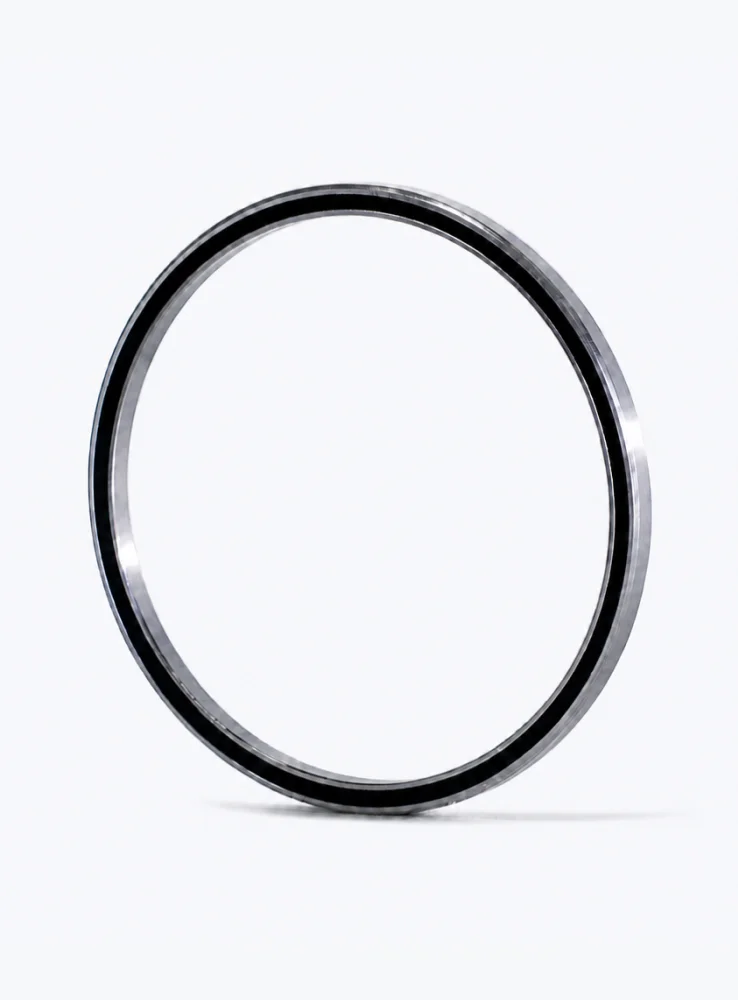
The most immediate benefit of thin-section bearings is their remarkable ability to save space and reduce weight. Unlike standard bearings that increase in cross-sectional size as the bore diameter grows, thin-section bearings maintain a fixed, slender profile—typically ranging from 3 mm to 13 mm. This characteristic allows medical device designers to create smaller, lighter, and more ergonomic equipment.
In robotic surgical systems and handheld instruments, every millimeter of space matters. Thin-section bearings enable designers to place bearings directly into compact joints and articulation points without increasing the overall footprint. This facilitates smoother motion while keeping the tool lightweight for enhanced surgeon dexterity.
Portable ultrasound scanners, patient monitors, and handheld imaging devices benefit from the reduced weight of thin-section bearings. By eliminating unnecessary bulk, these bearings contribute to easier handling and longer battery life, both critical in clinical and field settings.
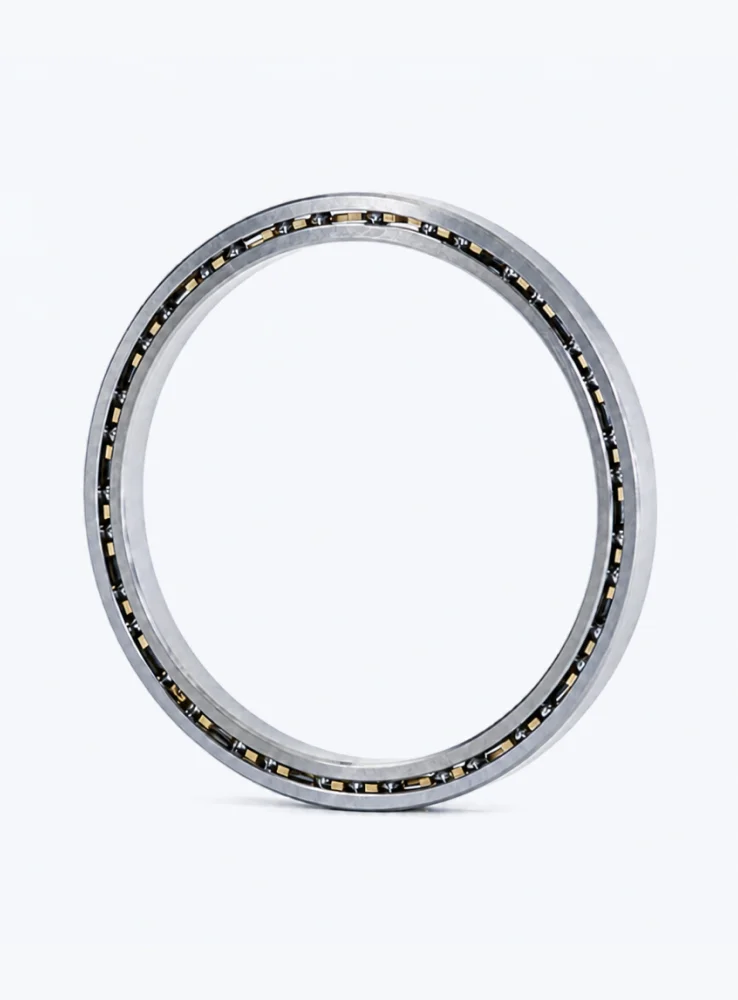
Medical devices demand ultra-smooth motion with minimal runout and vibration. Thin-section bearings are manufactured with high-grade steel or ceramic materials and tight tolerances (often ABEC 7 or higher) to ensure excellent rotational accuracy. This precision is vital for applications where even micron-level deviation can affect diagnostic results or surgical outcomes.
Imaging equipment such as CT scanners require bearings that can support heavy rotating loads while maintaining concentricity. Thin-section bearings reduce the gap between the rotating and stationary parts, allowing for higher resolution imaging with less artifact. BIBO Bearing offers customized thin-section bearings with optimized raceway geometries for such demanding environments.
Thanks to advanced heat treatment and precision grinding, thin-section bearings exhibit consistent torque and low noise over millions of cycles. This reliability is essential for infusion pumps, ventilators, and other life-sustaining devices that operate continuously.
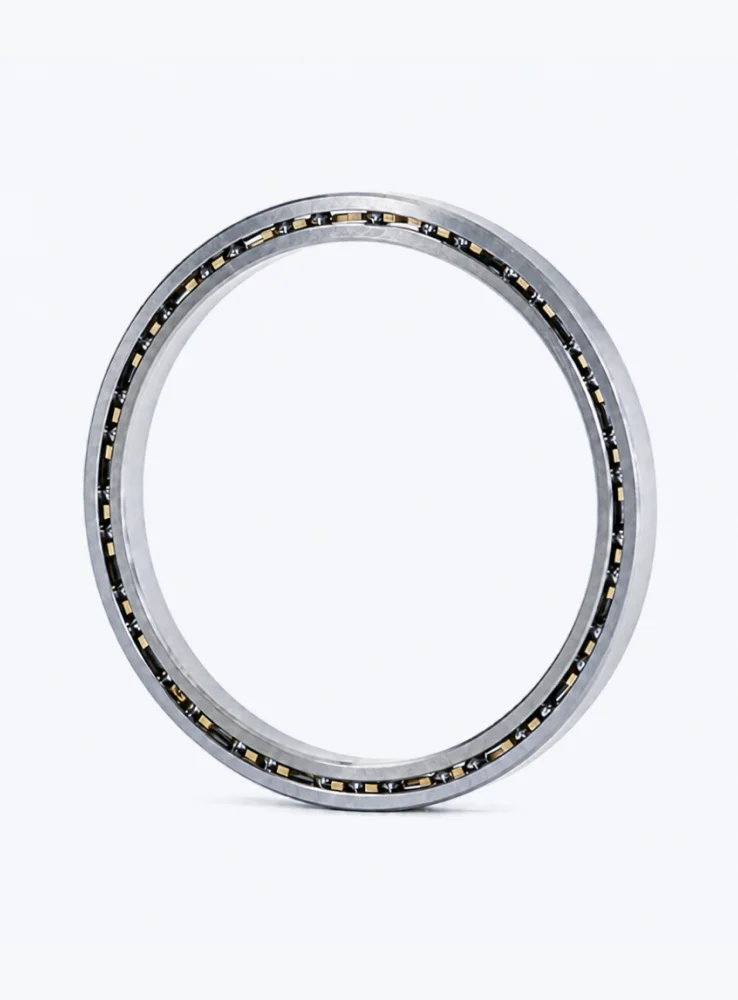
The reduced contact area in thin-section bearings—due to their smaller ball complement and optimized cage design—results in significantly lower frictional torque compared to conventional bearings of the same bore size. This directly translates to lower energy consumption, which is critical for battery-operated medical devices.
For devices like portable ventilators or powered surgical staplers, every watt-hour saved extends operational time. Thin-section bearings minimize the torque required to drive rotating elements, allowing smaller motors to be used and reducing thermal buildup.
In robotic actuators, low friction bearings improve the responsiveness of servo loops, enabling smoother and more precise movements. The reduction in stiction (static friction) is particularly beneficial for delicate procedures such as ophthalmic or neurosurgery.
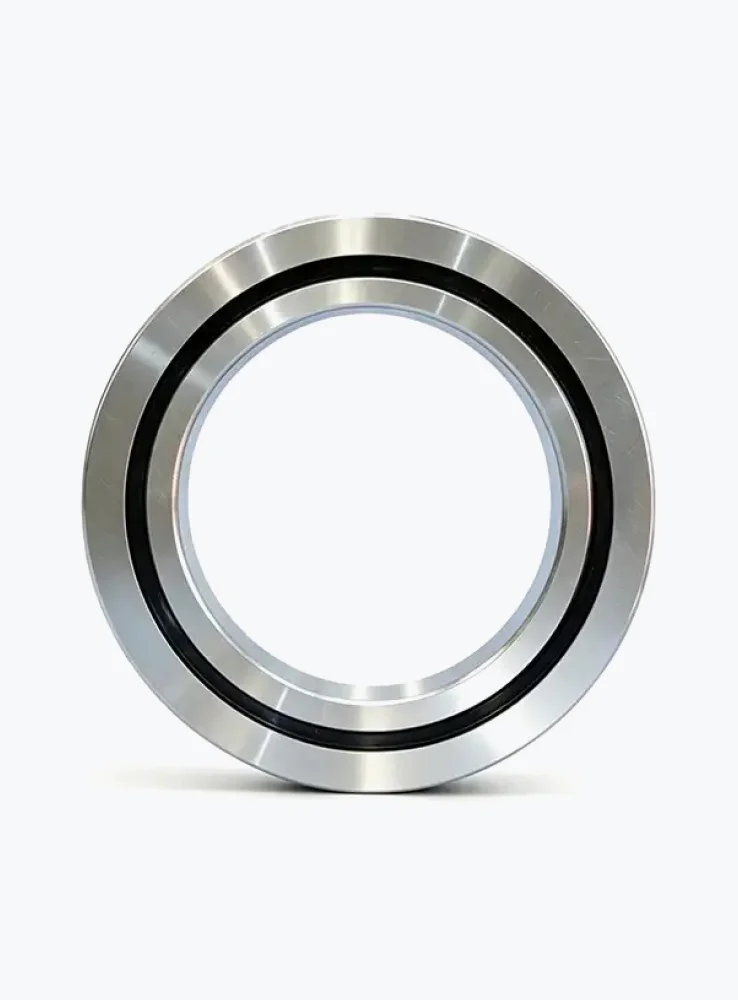
Despite their slim cross-section, thin-section bearings are engineered to withstand substantial radial and axial loads within their rated capacities. When properly selected and lubricated, they offer long-term reliability that minimizes device downtime and maintenance costs.
Medical environments require components that can withstand repeated sterilization cycles (autoclave, ethylene oxide, hydrogen peroxide). BIBO Bearing provides thin-section bearings made from 440C stainless steel or ceramic Si3N4 balls, offering excellent corrosion resistance and compatibility with harsh cleaning agents. Special sealed variants prevent ingress of fluids or debris.
In applications like centrifugal blood pumps or linear actuators for patient lifts, bearings must endure millions of stress cycles. Thin-section bearings with optimized internal geometry distribute loads evenly, extending fatigue life beyond that of conventional bearings in the same envelope.
Thin-section bearings are not a one-size-fits-all solution. They are available in multiple configurations—deep groove, angular contact, four-point contact—and in various materials (chrome steel, stainless steel, hybrid ceramic). This flexibility allows engineers to tailor bearing selection to specific medical device requirements.
For MRI-guided intervention tools, non-magnetic bearings are essential. BIBO Bearing manufactures thin-section bearings using fully non-magnetic materials like plastics or ceramics, ensuring zero interference with magnetic fields. For high-speed dental drills, hybrid ceramic bearings with grease lubrication provide low heat generation.
From hand-held surgical drills to large-bore CT gantries, thin-section bearings cover a broad range of sizes (bore diameters from 1 inch to 40 inches) while maintaining the same cross-section. This standardization simplifies inventory management for OEMs and reduces lead times for prototypes.
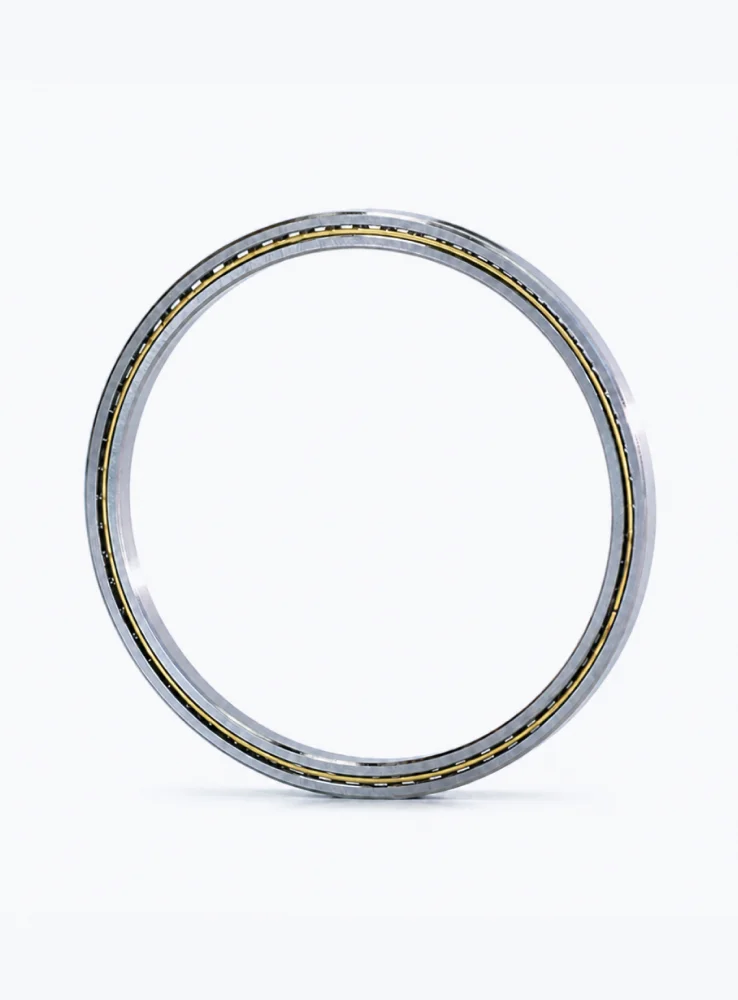
The five benefits outlined above—space/weight savings, precision, low friction, reliability, and versatility—demonstrate why thin-section bearings are indispensable in modern medical device design. By partnering with an experienced manufacturer like BIBO Bearing, medical device companies gain access to engineered solutions that meet regulatory standards (ISO 13485, FDA) and deliver consistent performance in the field. When selecting bearings for your next medical device, consider the unique advantages of thin-section designs to achieve a competitive edge in safety, efficiency, and innovation.
7 Factors Affecting Thin-Section Bearing Torque and Efficiency
Choosing the Right Thin-Section Bearing for High-Speed Spindles
Impact of Thin-Section Bearing Materials on Performance and Cost
Thin-Section Bearings in 3D Printers: Achieving Smooth Motion
How to Calculate Preload in Thin-Section Bearings for Zero Play
Thin-Section Bearing Lubrication Tips for Long Service Life