Home- Blogs- Bearing Knowledge-How to Source Quality Crossed Roller Bearings in Bulk
Crossed roller bearings are indispensable in robotics, medical devices, machine tools, and other precision-driven industries. Their unique design allows them to handle combined loads with extremely low runout. However, purchasing these components at scale is not the same as ordering a few sample units. A poor sourcing decision can lead to production delays, equipment failure, and compliance issues. This article walks through the technical criteria, supplier auditing steps, and cost analysis required to source high-quality crossed roller bearings in bulk. It also highlights the value of working with a specialized partner like BIBO Bearing. To help you make an informed choice, we have structured the advice around real-world procurement practices and the specific challenges of volume buys.
Crossed roller bearings are not commodity items. Each bearing type offers a specific combination of raceway geometry, roller orientation, and cage design. Some designs use two rows of crossed rollers, while others use a single row with alternating axes. When you source in bulk, you cannot assume that every supplier will deliver the same performance level. Variability in heat treatment, grinding quality, and assembly tolerances can cause significant differences between batches.
Bulk sourcing also shifts the risk from the supplier to your organization. If a sample unit passes inspection but the production run fails, you may already have committed to a contract and a schedule. As a result, a professional procurement strategy must focus on process control, not just final product testing.
When moving from prototype or single-unit purchasing to bulk orders, the evaluation criteria change. You need to consider quantity-based lead times, consistency across batches, packaging for transportation, and the supplier's capacity to handle fluctuating demand. An experienced partner like BIBO Bearing can help you define acceptable quality levels (AQL), inspection protocols, and documentation requirements before mass production begins. In addition, you should agree on tolerances for critical ancillary components such as snap rings or seals if the assembly requires them. The goal is to create a complete quality loop from incoming material to final package.
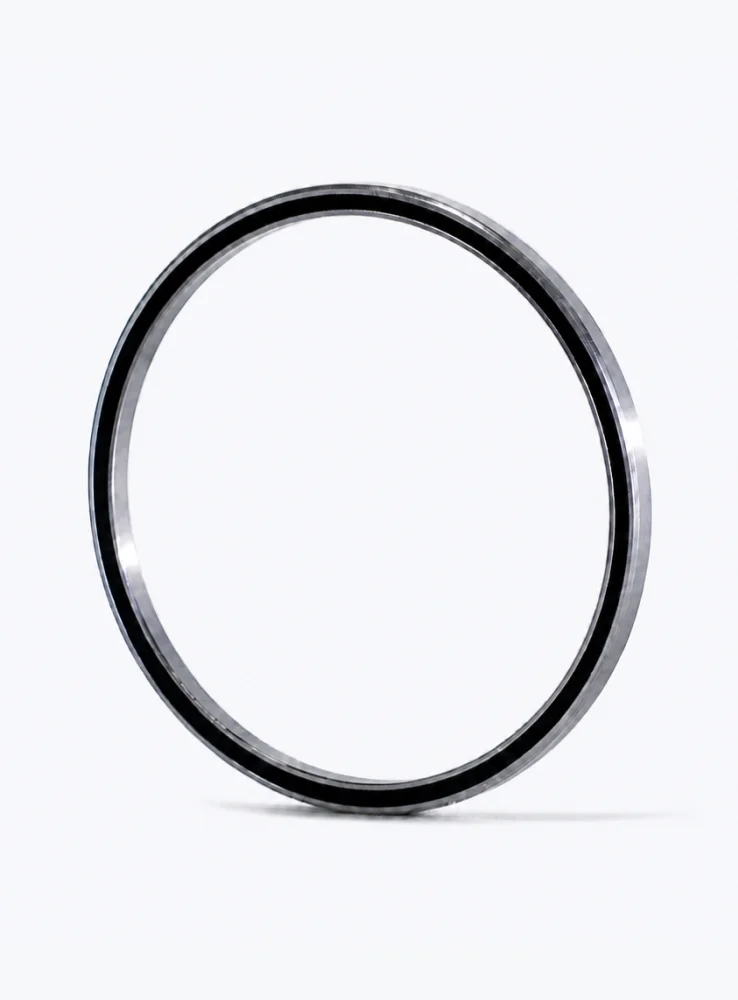
Every crossed roller bearing order begins with a precise specification. The following parameters should be clearly defined in your RFQ and validated by the supplier's engineering team.
In bulk sourcing, do not rely on a datasheet alone. Ask for measurement reports per lot, especially for bore diameter, outer diameter, and width tolerances. Inconsistencies in these dimensions can create assembly difficulties in automated production lines.
Supplier evaluation is the most important step in ensuring a reliable bulk supply. A certified quality system is a starting point, but it does not guarantee bearing reliability. You need to understand where the bearing is manufactured, what processes are used, and how the supplier handles defects after delivery.
Visit or virtually audit the production facility. Look for precision grinding lines, controlled heat treatment furnaces, and environment-controlled assembly rooms. Ask about the machinery's age, maintenance schedules, and operator training. A supplier that can manufacture crossed roller bearings end-to-end is generally easier to manage than one that outsources critical steps.
Every batch of crossed roller bearings should be traceable to its raw material heat number. Traceability helps you isolate defects and provides confidence in long-term performance. Ask for certifications such as IATF 16949 or ISO 9001, but also request evidence of material certifications from the steel mill. BIBO Bearing, for example, maintains traceability records and can provide detailed reports upon request.
Quality control for crossed roller bearings typically includes roundness, profile, roughness, vibration, and noise testing. The supplier should have documented inspection procedures with defined sampling plans. You should also clarify how calibration of measuring equipment is handled and how often gauges are verified.
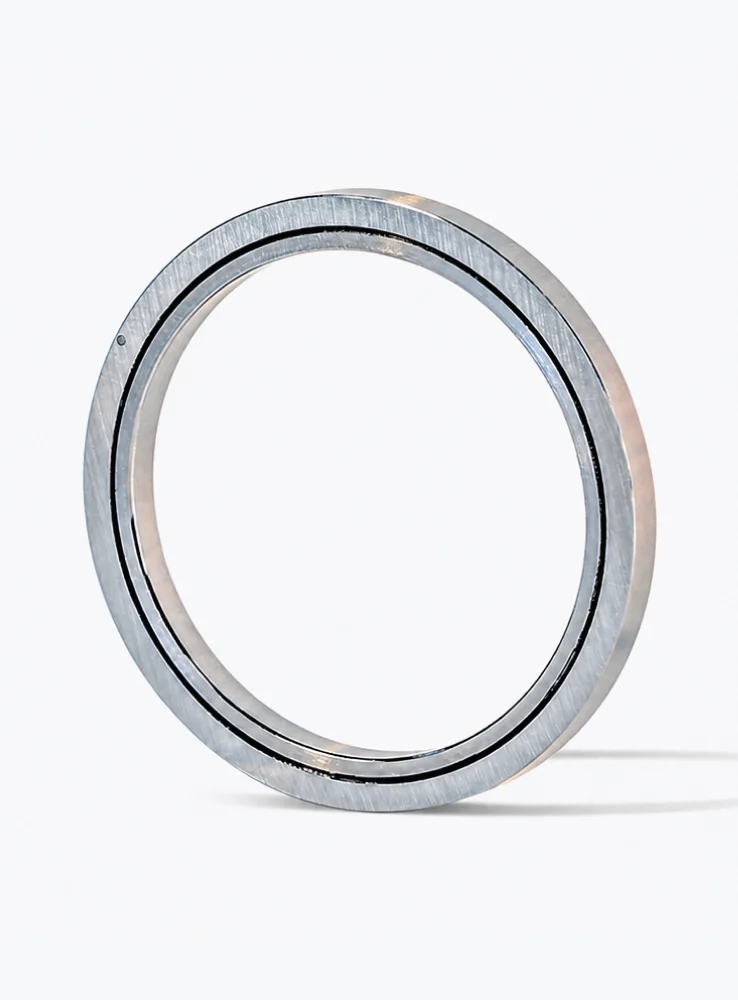
Large volume orders create a natural temptation to optimize for unit price. However, the cheapest bearing can become the most expensive one when field failures are considered.
When calculating total cost of ownership, consider the bearing's service life, the cost of production stoppage, and the administrative burden of managing poor quality. A reputed manufacturer such as BIBO Bearing can provide both competitive pricing and the assurance of minimal field failures.
Follow a structured process to reduce technical and commercial risks.
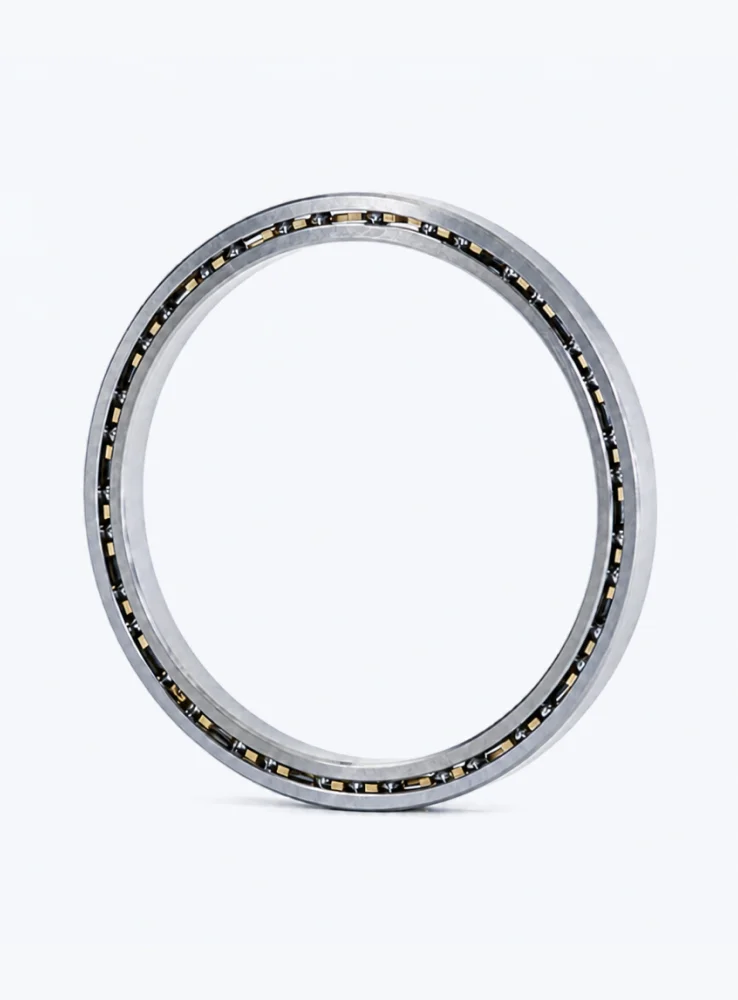
BIBO Bearing has extensive experience in producing and supplying crossed roller bearings for demanding industrial applications. The company's engineering team works directly with clients to refine designs, select the right materials, and define inspection rules. Whether you need standard catalog sizes or fully custom dimensions, their manufacturing flexibility allows them to offer consistent quality while meeting tight deadlines. For bulk buyers, this means fewer surprises, clearer communication, and faster resolution of any quality issue. BIBO Bearing also offers flexible packaging options and a clear documentation package, making it easier to integrate these components into a global supply chain.
The minimum order quantity depends on the bearing size and complexity. Some standard dimensions can be ordered in the hundreds, while large-diameter or customized bearings may require a lower batch threshold. It is best to contact BIBO Bearing directly to discuss your specific volume and lead time.
Yes, a knowledgeable manufacturer can adjust internal clearances, add mounting holes, change the cage material, or apply a custom rust-proof coating. These modifications must be agreed upon during the engineering stage to ensure compatibility with mass production.
Implement an incoming inspection process that checks critical dimensions and runout on a statistical sample. Review the supplier's inspection certificate and compare the measured values against the approved sample report. If any attribute falls outside the tolerance, place the batch on hold and request a corrective action plan.
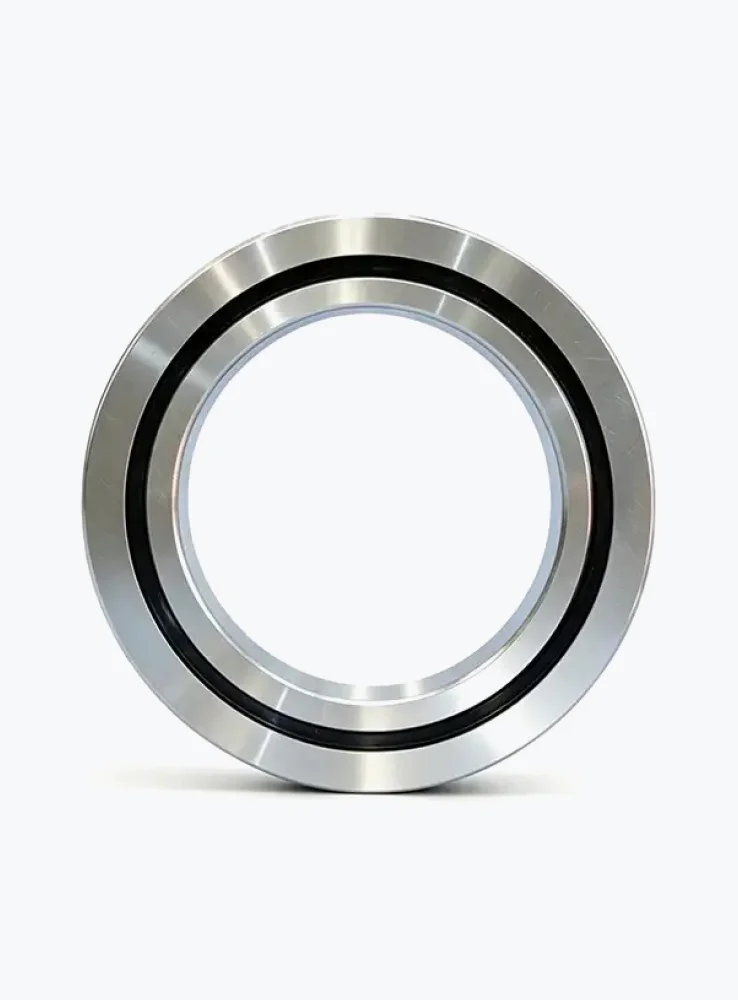
Sourcing crossed roller bearings in bulk requires equal attention to engineering details and supply chain management. The most reliable approach is to partner with a manufacturer that can demonstrate process control, provide transparent quality data, and support you beyond the delivery date. By following the guidelines in this article, you can reduce the risk of receiving inconsistent or underperforming bearings. In critical applications, consistency is not a luxury—it is the foundation of a profitable operation. Do not settle for vague promises; demand data, samples, and a clear contract that protects both parties. BIBO Bearing is ready to help you bridge the gap between a low-priced quotation and a dependable long-term solution.