Home- Blogs- Bearing Knowledge-Why Crossed Roller Bearings Develop Noise and How to Fix It
An unexpected noise from a crossed roller bearing is never a random event. In precision equipment such as indexing tables, robot axes, medical scanners, and semiconductor stages, a bearing that begins to grind, click, or squeal is sending an early warning that something has changed inside the mechanism. The sound is the audible symptom of a shift in contact conditions, surface quality, or lubrication state. If you can interpret the signal and respond quickly, you can avoid unplanned downtime and protect surrounding components from secondary damage. This article examines exactly why crossed roller bearings develop noise and provides a practical, step-by-step path to diagnose and correct the problem.
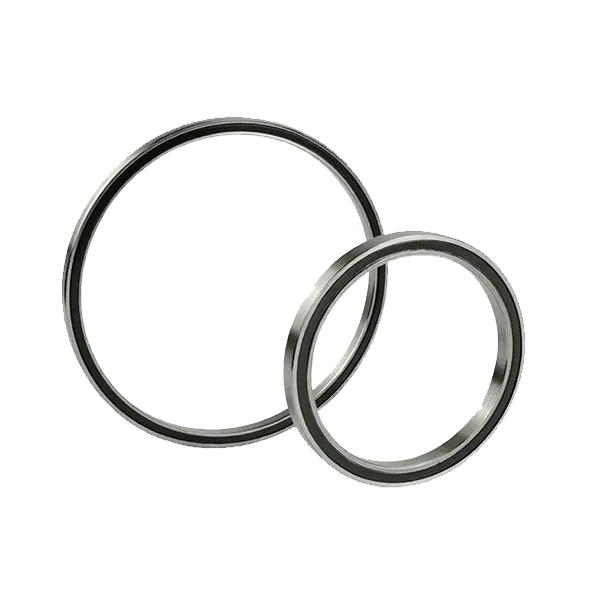
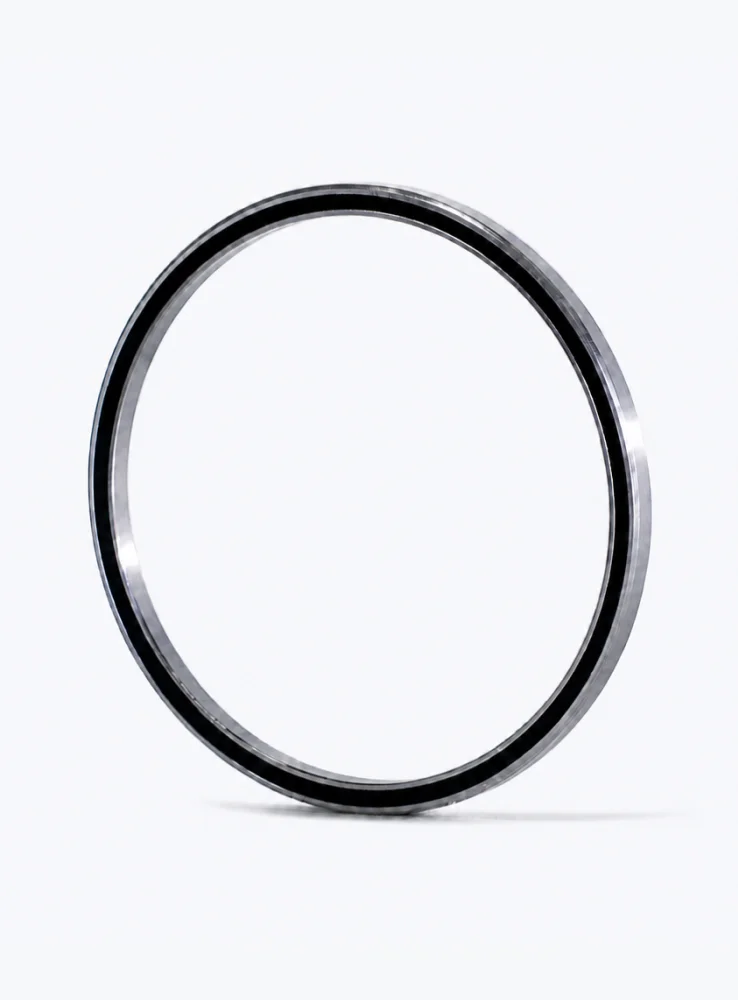
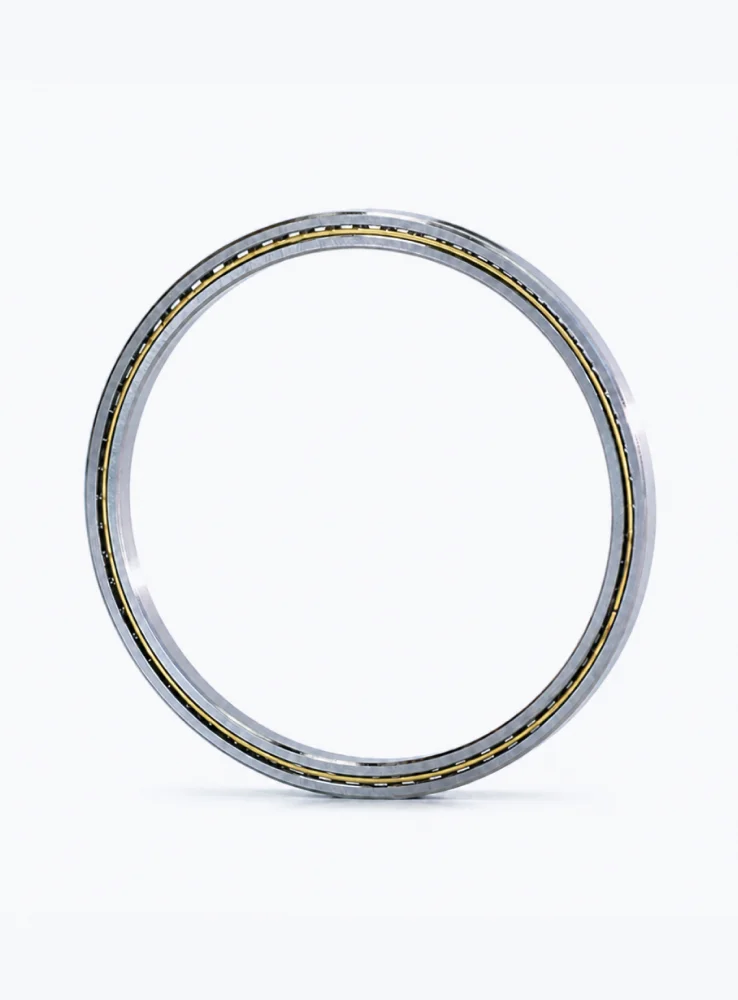
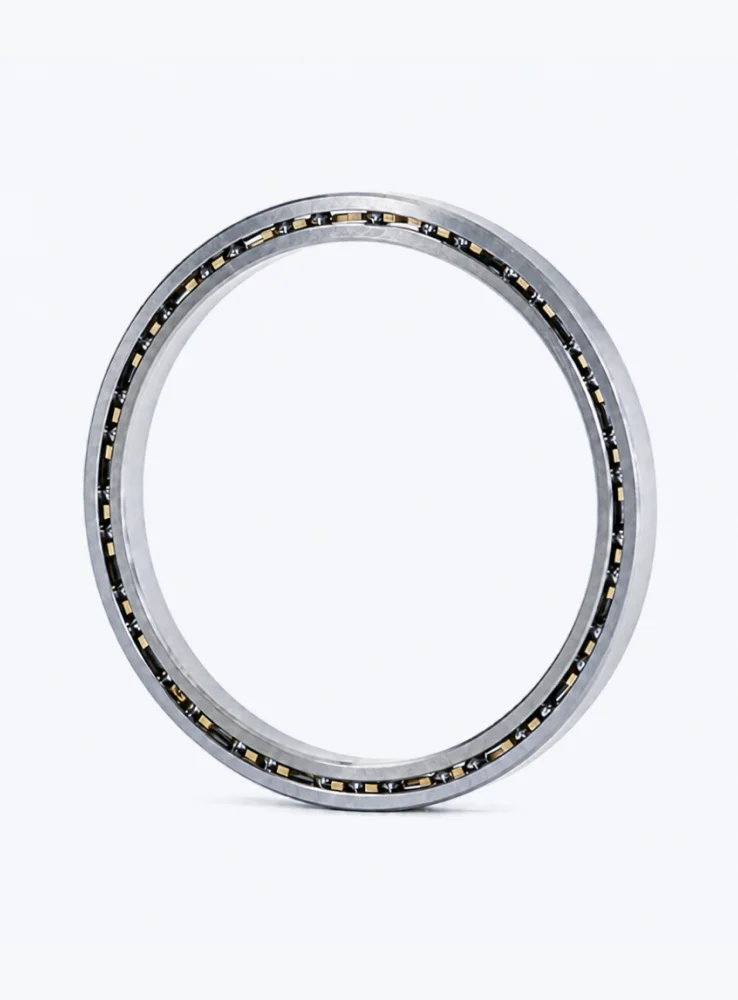
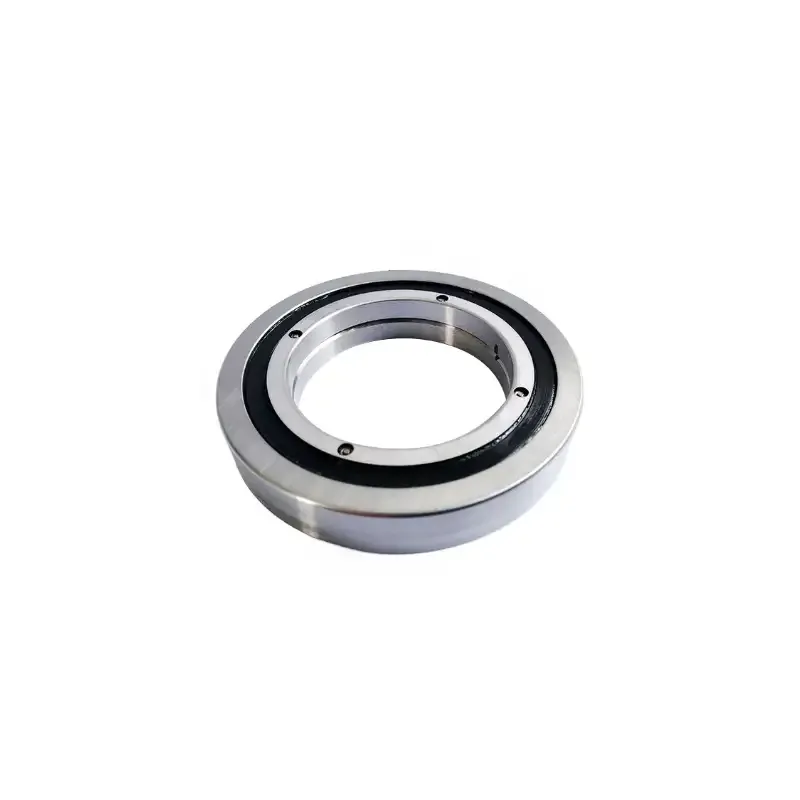
Crossed roller bearings use cylindrical rollers arranged perpendicularly to each other at 90 degrees, alternating between the inner and outer raceways in a single compact ring. This unique geometry allows the bearing to carry radial, axial, and moment loads simultaneously while delivering high rotational accuracy and rigidity.
Under normal operating conditions, these bearings are exceptionally quiet. The rolling elements move smoothly across the raceway with only a low, uniform hum at higher speeds. Any significant change in this acoustic baseline should be treated as a diagnostic event. In applications where positional accuracy is measured in microns, noise is rarely just a nuisance — it correlates with vibration, and vibration directly degrades accuracy.
Bearing noise can originate from multiple sources, and in many cases two or more factors act together. Understanding each root cause is the foundation of an effective fix.
The most frequent cause of noise in crossed roller bearings is a breakdown in lubrication. Grease that has aged, dried, or been washed out loses its ability to form a full elastohydrodynamic film between rollers and raceways, resulting in metal-to-metal contact. The typical sound is a continuous, metallic whirring or scraping.
Conversely, using the wrong viscosity can create problems too. An over-packed bearing generates churning noise — a low, rumbling sound caused by the rolling elements struggling to push through excess grease. Proper grease volume in a crossed roller bearing is typically 30 to 35 percent of the free internal space, not fully packed.
Even microscopic particles of dust, metal chips, or abrasive debris can enter the bearing through worn seals or during installation. Once inside, these particles act as grinding agents between the rollers and raceways, producing a harsh, scratchy noise that often increases with rotation speed. Hard particle contamination also accelerates raceway wear, which shortens service life dramatically.
Crossed roller bearings are frequently supplied with an internal clearance or preload matched to the intended application. During installation, improper tightening of the mounting bolts, uneven mating surfaces, or incorrect shimming can distort the bearing rings and increase or decrease the preload beyond the designed level. Excessive preload generates increased friction and a continuous high-frequency hum or whine. Insufficient preload or clearance allows the rolling elements to skid, producing intermittent clicking or rattling sounds.
After prolonged or heavy service, the raceway surfaces can develop microscopic cracks, spalling, or flaking caused by rolling contact fatigue. When the rollers pass over a damaged surface area, they generate a distinct rhythmic thumping or clicking pattern — one impulse per roller pass. Static overloading can also create brinelling: permanent indentations in the raceway that produce a rolling vibration similar to a flat spot on a wheel.
Crossed roller bearings are rigid, but they are not tolerant of housing or shaft misalignment. When the bearing is mounted on a surface that is out of plane, or when the support structure deflects under load, the roller path inside the bearing becomes uneven. This manifests as a repetitive low-frequency rumble or a cyclical noise that repeats with each revolution of the rotor.
Before you disassemble anything, use a simple stethoscope or an electronic vibration analyzer to listen to the bearing under operating conditions. The diagnostic process begins with classification of the sound:
If the bearing is accessible, rotate it by hand after cleaning the exterior. A gritty or rough feel during manual rotation is a reliable sign of contamination or surface damage.
Once the cause has been identified, the fix can be targeted and efficient. Correct diagnosis prevents unnecessary bearing replacement and costly downtime.
For lubrication-related noise, flush the bearing with a compatible cleaning solvent and re-lubricate with the manufacturer's specified grease, filling to approximately one-third of the free space. Confirm that the grease is designed for the operating temperature range and speed of your application. Avoid mixing incompatible grease types, as this can chemically destabilize the thickener.
For contamination-induced noise, the bearing must be removed, cleaned, and inspected. If the raceways show no signs of etching or pitting, the bearing can be re-lubricated and reinstalled with new seals. If the rolling elements show visible damage, replacement is the safer choice.
Measure the preload or clearance with a feeler gauge or dial indicator and compare it with the manufacturer's specification. Re-tighten the mounting bolts using a calibrated torque wrench in the sequence recommended by the bearing manufacturer. Ensure that mating surfaces are flat and free from burrs before reinstallation.
Use precision machining or lapping to restore the flatness of the housing surface. In cases where structural deflection is the culprit, stiffening the housing frame or increasing the number of mounting points may be necessary. Realignment and structural corrections eliminate noise at the source rather than masking it.
If the noise is caused by spalling, flaking, brinelling, or excessive raceway wear, the bearing has reached the end of its useful life. No amount of re-lubrication will restore a damaged raceway. Replacement is both the safest and the most economical long-term decision.
Prevention is always cheaper than repair. The following practices help extend the quiet operation of crossed roller bearings:
BIBO Bearing supplies crossed roller bearings manufactured with precision-ground raceways, high-grade bearing steel, and individually matched rolling elements. Beyond product quality, BIBO Bearing provides application support to help customers select the correct preload, internal clearance, and sealing configuration — which directly reduces noise-related failures in the field.
When replacement becomes necessary, the choice of supplier has a measurable impact on noise performance and service life. A bearing from a reputable manufacturer will have:
These factors directly determine how quietly a bearing operates and how long that quiet operation lasts.
Q: Can I eliminate bearing noise by simply adding more grease?
A: No. Over-greasing is itself a common cause of noise. While insufficient grease causes scraping sounds, excess grease creates churning and overheating. Always follow the manufacturer's recommended grease volume and type.
Q: How do I know if bearing noise is a safety issue?
A: If the noise is accompanied by a sudden rise in temperature, excessive vibration, or visible metal dust around the bearing, stop the machine immediately. These are signs of imminent bearing failure.
Q: Is it normal for a newly installed crossed roller bearing to make slight noise?
A: During the initial run-in period, a very slight operating sound may be present while the lubricant distributes evenly. However, if the noise persists beyond a few hours of operation, it should be investigated.
 Noise in a crossed roller bearing is a reliable early warning system. By understanding the root causes — lubrication failure, contamination, preload errors, surface fatigue, and misalignment — you can diagnose the issue accurately and apply the right fix. In many cases, a bearing is repairable through re-lubrication, cleaning, or preload adjustment. When damage has progressed to spalling or brinelling, replacement with a high-quality unit from a manufacturer such as BIBO Bearing protects your equipment and keeps downtime to a minimum. Regular monitoring and maintenance are your best defense against the silent cost of bearing failure.
Crossed Roller Bearings vs Tapered Roller: Key Differences
Crossed Roller Bearings Precision Motion Guide
Crossed Roller Bearing vs Slewing Ring: Which to Use?
OEM vs Aftermarket Crossed Roller Bearings: What to Pick
How to Source Quality Crossed Roller Bearings in Bulk
The Future of Precision Rotation: Crossed Roller Bearings