Home- Blogs- Bearing Knowledge-Crossed Roller Bearing vs Slewing Ring: Which to Use?
Choosing between a crossed roller bearing and a slewing ring is not a simple matter of picking the component with the higher load rating. Both are rotary bearings that handle combined radial, axial, and moment loads, but they achieve that performance through different geometries, mounting requirements, and manufacturing tolerances. The right choice depends on whether the application needs compact precision, large-diameter rotation, high overturning moment capacity, or a balance of all three.
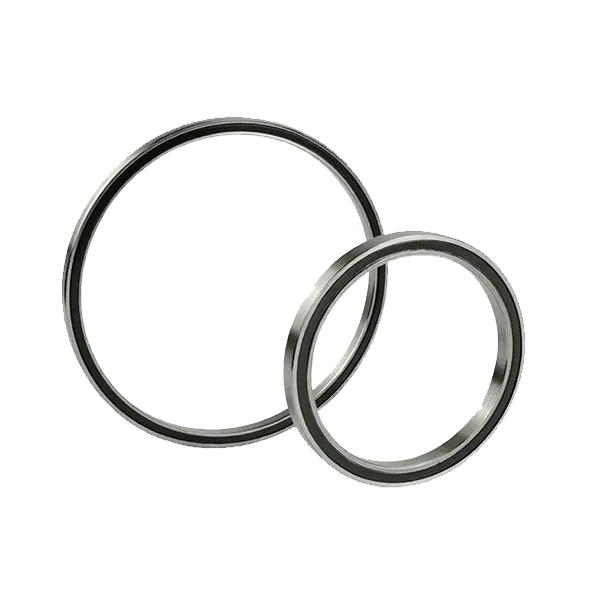
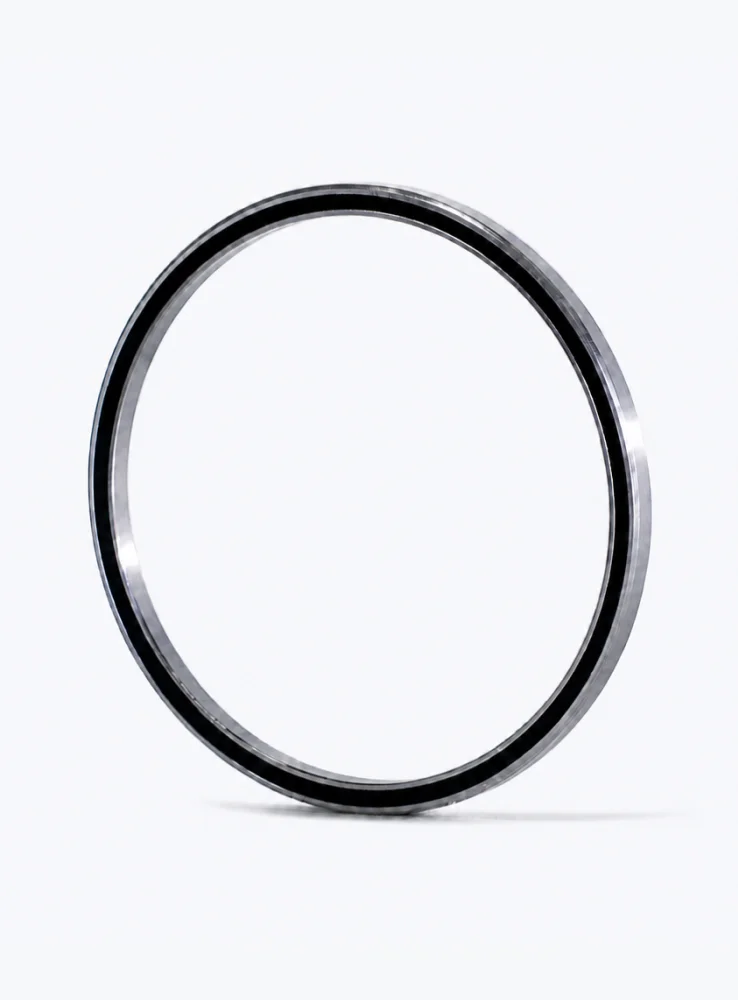
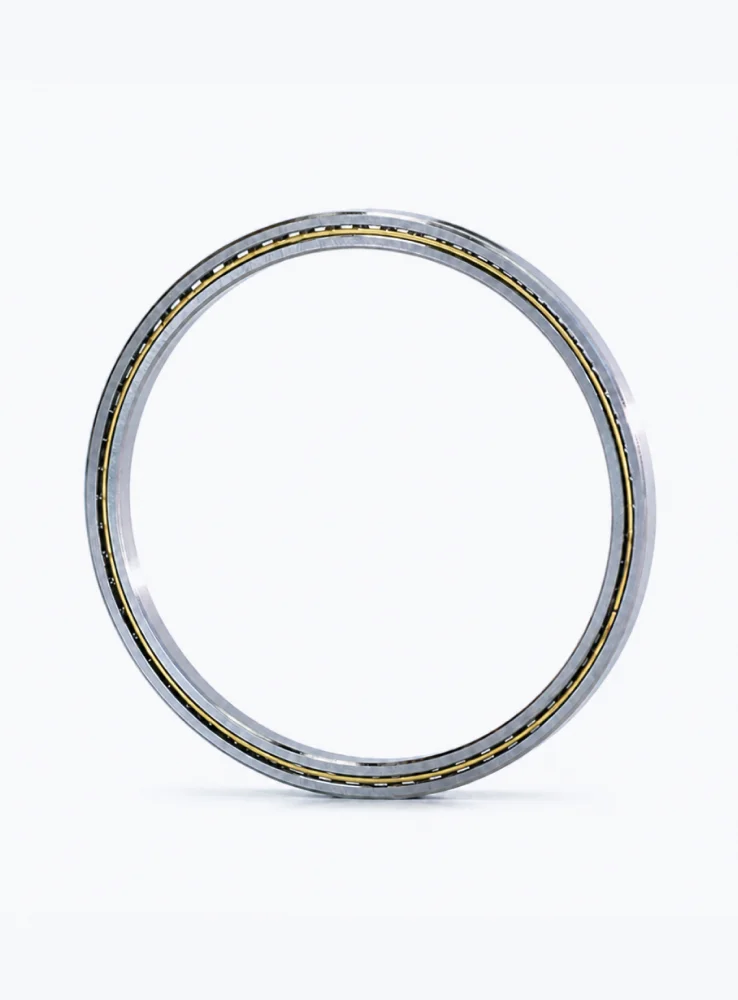
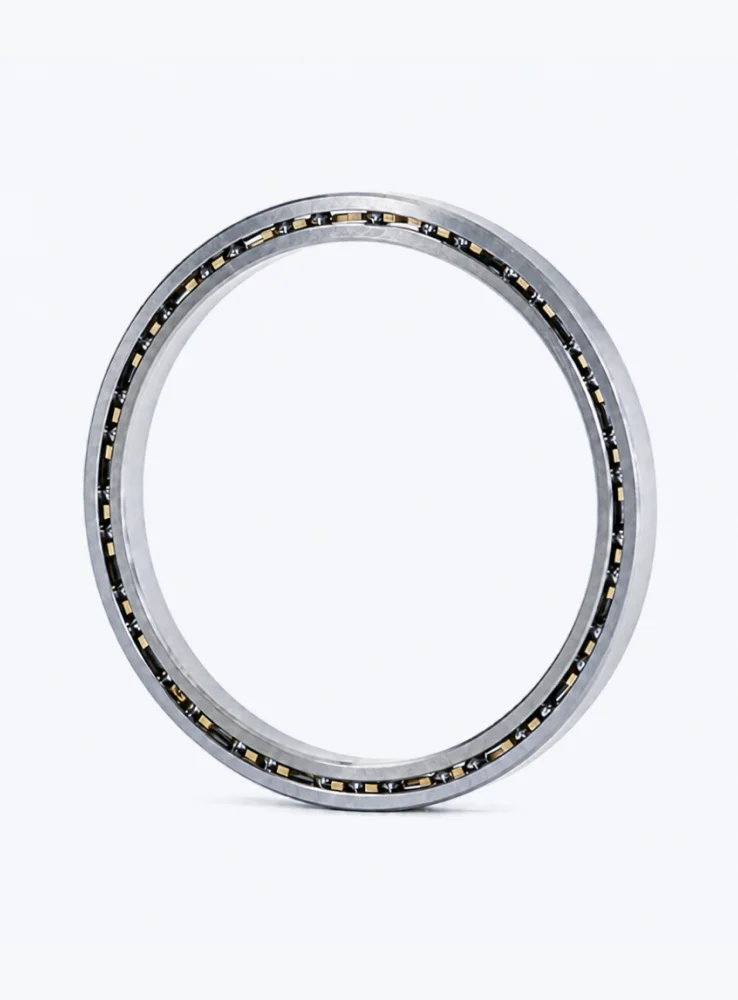
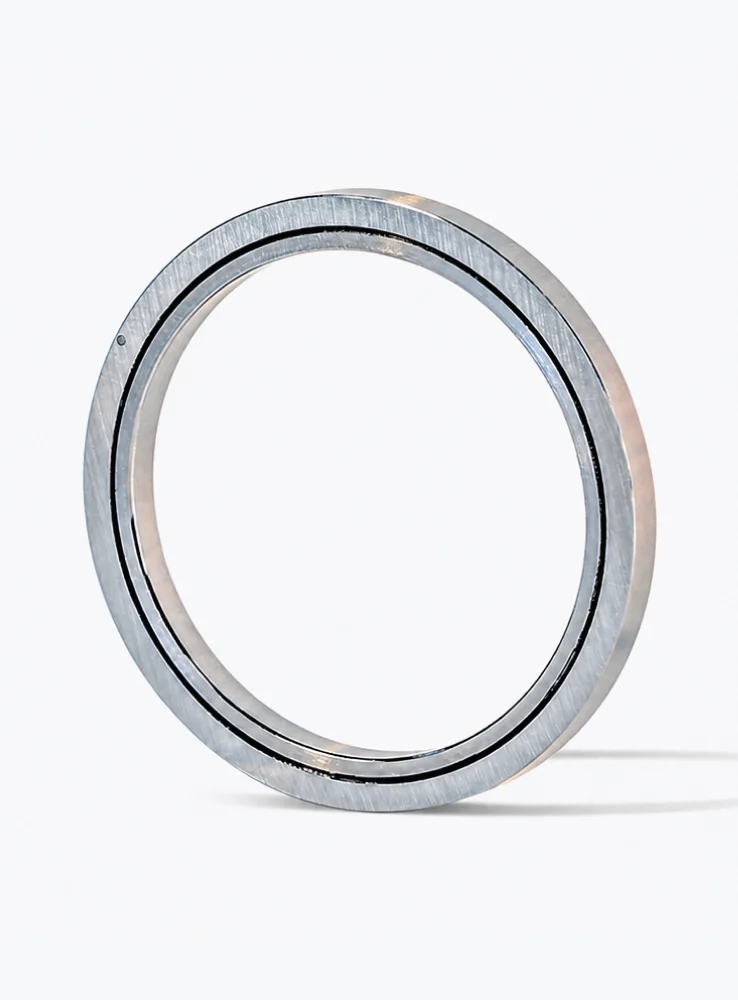
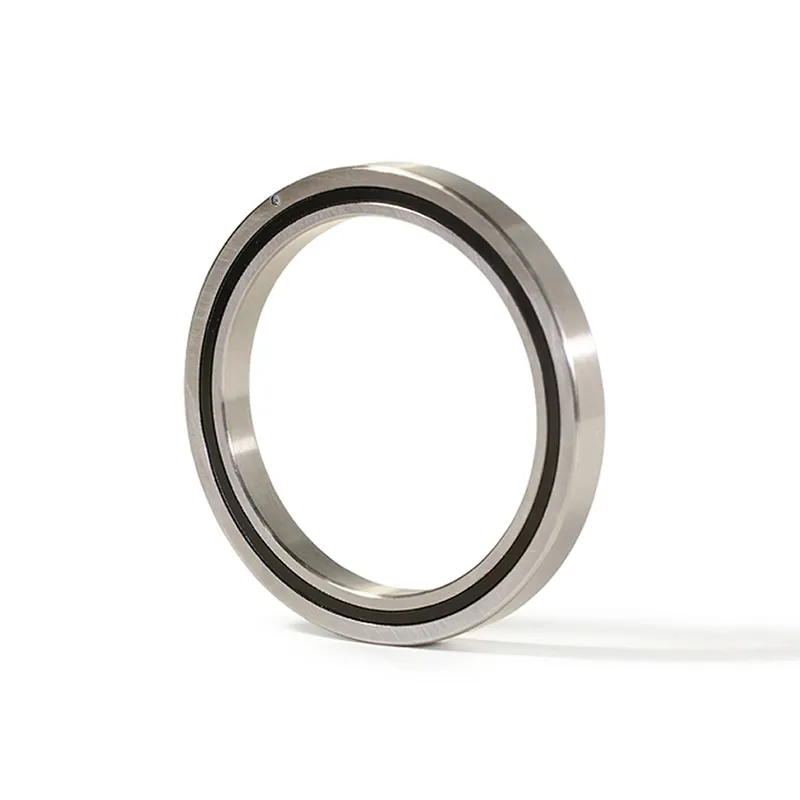
A crossed roller bearing uses cylindrical rollers arranged in a single raceway at alternating 90-degree angles. This crossed arrangement lets one bearing support radial, axial, and tilting moment loads simultaneously. It is typically compact, rigid, and precise, which makes it common in machine tools, rotary indexing tables, robot joints, and medical imaging equipment.
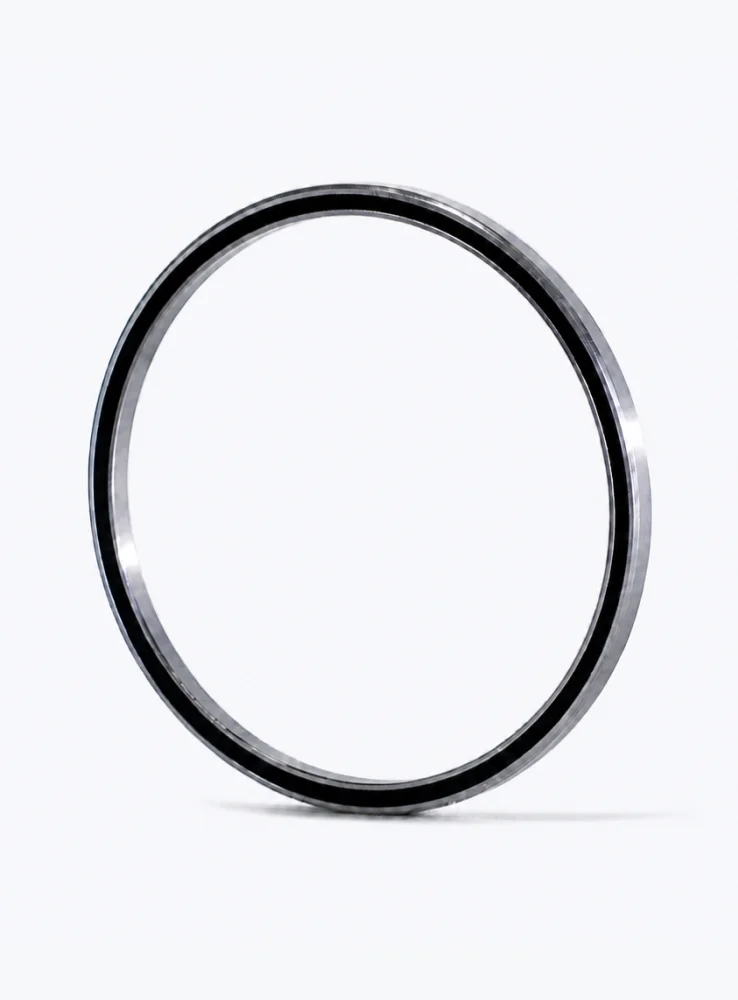
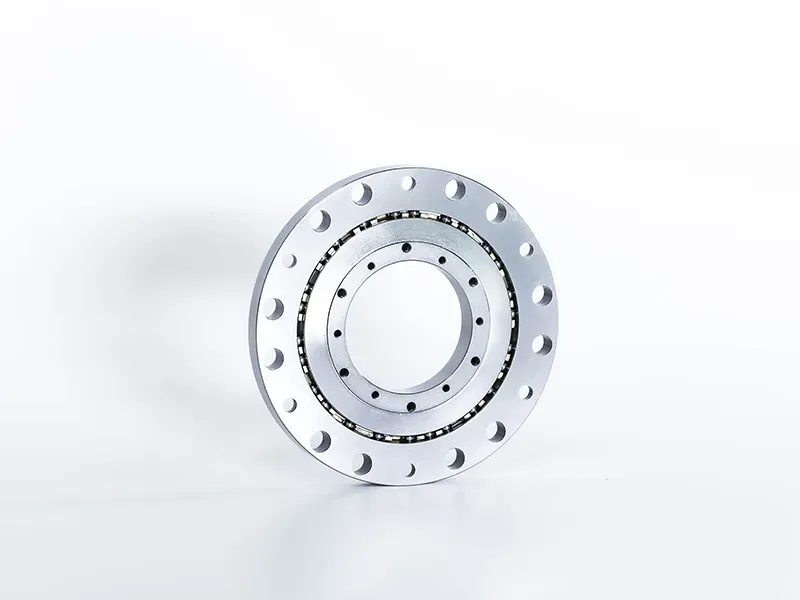
A slewing ring, also called a slewing bearing or turntable bearing, is a large-diameter bearing with one or more rows of rolling elements, gear teeth, mounting holes, and often integrated sealing. It is designed to support heavy axial and moment loads while allowing slow, controlled rotation. Slewing rings appear in cranes, excavators, wind turbines, solar trackers, packaging turntables, and military turrets.
Crossed roller bearings are usually selected when the design envelope is tight and positioning accuracy is critical. Because the rollers are crossed, the bearing can resist loads from multiple directions without requiring separate radial and thrust bearings. Preload can be applied to increase stiffness and reduce runout, but the mounting surfaces must be machined flat and rigid enough to avoid distorting the raceways. These bearings are not normally used for very large diameters or extremely long moment arms.
Slewing rings are built for applications where the rotation diameter is large and the structure must transmit heavy loads through a bolted interface. They often include an internal or external gear, seals, and lubrication ports, so they function as more than a bearing. The trade-off is that standard slewing rings generally offer lower running accuracy than precision crossed roller bearings and are intended for slower slewing motion rather than high-speed continuous rotation.
| Criteria | Crossed Roller Bearing | Slewing Ring |
|---|---|---|
| Typical size | Small to medium diameter; compact section | Large diameter; often 200 mm to several meters |
| Load direction | Radial, axial, and moment loads in one compact unit | Primarily axial and moment loads; radial capacity varies by design |
| Stiffness | Very high, especially with preload | Moderate to high, depending on row and raceway design |
| Running accuracy | High precision; low runout | Good for large rotation, but not usually precision-grade |
| Speed capability | Higher for its size; suitable for indexing and servo rotation | Low to moderate; often used for slow slewing |
| Mounting | Requires flat, rigid, machined mounting surfaces | Bolts directly to structures; often includes gear and seals |
| Integration | Bearing only; surrounding structure provides support | Integrated bearing, gear, seals, and mounting flange |
| Typical applications | Machine tools, robots, medical devices, radar, indexing tables | Cranes, excavators, wind turbines, solar trackers, turntables |
Specify a crossed roller bearing when precision, stiffness, and compactness matter more than extremely large diameter. These bearings are often selected for servo-driven axes, robotics, and machine tool rotary tables where even small deflection can affect accuracy. If the design can provide rigid, flat mounting surfaces and the load moment is within the bearing rating, a crossed roller bearing can deliver excellent performance with minimal space.
Specify a slewing ring when the application requires large-diameter rotation, high overturning moment capacity, and direct mounting to heavy structures. If the bearing must also provide a gear drive, seals, and a mounting interface, a slewing ring often reduces total part count. This is why cranes, excavators, and wind turbines rely on slewing rings rather than compact precision bearings.
The decision should follow the load case, not the product label. Engineers should calculate radial load, axial load, tilting moment, speed, duty cycle, required life, and permissible deflection. Then they should compare those values against bearing ratings and mounting constraints.
A crossed roller bearing can handle moment loads, but its capacity is limited by its diameter and section height. A slewing ring is usually the stronger choice when the moment arm is long or the axial load is very high. If the moment is moderate and the envelope is compact, a crossed roller bearing may be more efficient.
Crossed roller bearings are favored for high stiffness and low runout. Slewing rings often have more clearance and gear backlash, which can be acceptable for slow positioning but not for precision machining or metrology. If accuracy is the primary requirement, a precision crossed roller bearing should be evaluated first.
Crossed roller bearings require flat, rigid, and accurately machined mounting surfaces. Poor flatness can distort the raceway and shorten bearing life. Slewing rings also require flat mounting surfaces and controlled bolt torque, but they are designed to bolt directly to welded or cast structures. In both cases, the surrounding structure is part of the bearing system.
Slewing rings are often exposed to weather, dust, and shock loads, so seals and relubrication access are critical. Crossed roller bearings may be installed inside sealed housings, but they still need clean lubrication and protection from contaminants. Maintenance requirements should be reviewed early because a bearing that cannot be serviced reliably may fail before its calculated life.
A crossed roller bearing may appear attractive because of its precision, but a very large moment can cause deflection, edge loading, or raceway damage. In such cases, a slewing ring is usually the more durable and cost-effective solution.
A standard slewing ring may not meet tight runout or repeatability requirements. If the application involves tool positioning, optical alignment, or high-speed servo indexing, a precision crossed roller bearing or a specially machined slewing ring may be necessary.
Both bearing types depend on correct installation. Uneven mounting surfaces, incorrect bolt torque, or insufficient structure stiffness can reduce capacity and cause premature failure. Always follow the manufacturer's mounting specifications, not general shop practice.
Only in some compact, moderate-diameter applications. If the slewing ring handles large axial loads, high overturning moments, or integrated gearing, a crossed roller bearing is usually not a direct substitute.
It can if the application tolerates lower precision, a larger envelope, and slower rotation. For machine tool rotary axes and robot joints, a slewing ring often introduces too much clearance and runout.
It depends on diameter and design. A large slewing ring can carry far higher axial and moment loads. A crossed roller bearing offers high capacity within a compact section.
Small crossed roller bearings can be less expensive than custom slewing rings, but large precision crossed roller bearings and geared slewing rings are both significant investments. Evaluate total system cost, including mounting, drive, and maintenance.
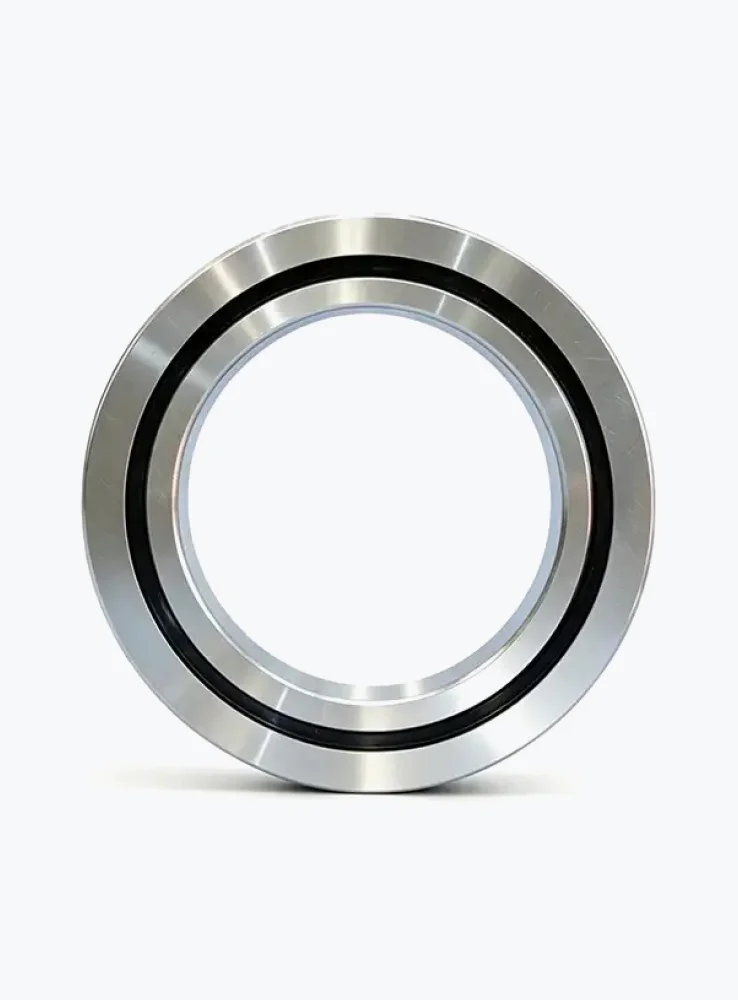 Choose a crossed roller bearing when compactness, stiffness, and precision are the priorities. Choose a slewing ring when large diameter, high overturning moment capacity, and integrated mounting or gearing are required. If the decision is close, model the load case, check deflection limits, and review mounting tolerances. BIBO Bearing can help engineers compare options and select a bearing that matches the application rather than forcing one technology into the wrong role.
Luoyang BOBI Precision Bearing Recognized as The Qualified Supplier; Focuses on High-Perf. Lightweight Geared Turntable Bearings
Luoyang BOBI Precision Bearings Secures Custom Ceramic Bearing Order: Technological Innovation Drives High-End Applications
University-Enterprise Collaboration Bears Fruit: Luoyang BOBI Precision Bearing Co., Ltd. Supports Development of Search-and-Rescue Robotic Canine
How to Select the Material for Thin-Section Bearings: A Practical Engineering Guide for Reliable Performance
How Much Axial Force Can a Thin-Section Deep Groove Ball Bearing Withstand?
How to Select Thin-Section Bearings: A Practical Guide for Engineers and Buyers