Home- Blogs- Bearing Knowledge-Avoid These Common Crossed Roller Bearing Mistakes
Crossed roller bearings are precision components that deliver exceptional rigidity and rotational accuracy in demanding applications such as robotics, medical equipment, and machine tool turrets. However, even the best engineered bearing will fail prematurely if common mistakes are made during selection, installation, lubrication, or maintenance. Understanding these pitfalls is essential for maximizing service life, avoiding costly downtime, and ensuring that your machinery operates at peak performance. This article highlights the most frequent crossed roller bearing errors and provides practical guidance to help you steer clear of them.
The foundation of reliable bearing performance starts with choosing the right bearing type and size. Many engineers underestimate the complexity of crossed roller bearings, which leads to suboptimal selection and eventual failure.
Crossed roller bearings can handle combined axial, radial, and moment loads, but their capacity varies with the direction and distribution of the load. A common mistake is selecting a bearing based solely on radial load capacity without calculating the actual moment loads generated by cantilevered or offset masses. This oversight can result in premature fatigue or raceway brinelling. Always evaluate the full load spectrum, including shock loads, and consult the bearing manufacturer's rating tables for the equivalent dynamic load under combined loading conditions.
Applications like indexing tables and rotary encoders demand very tight runout and positioning accuracy. Selecting a standard crossed roller bearing when a higher accuracy class (such as P5 or P4) is required can lead to unacceptable error in the system. Conversely, overspecifying accuracy without need drives up cost. Match the bearing precision grade to the actual performance requirements of your equipment.
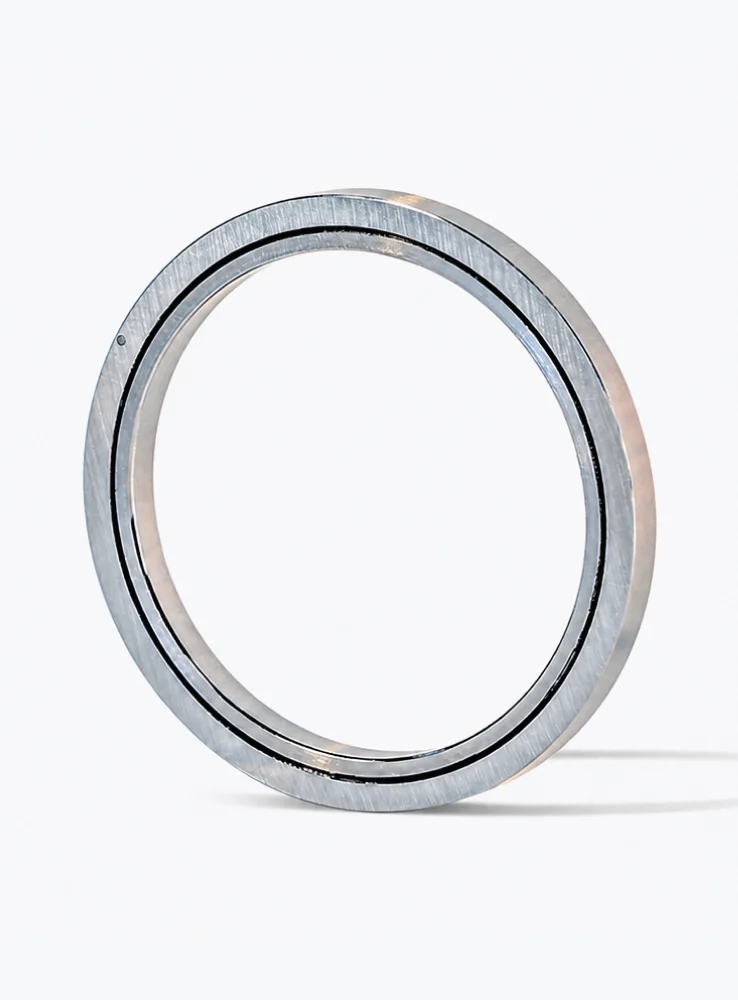
Even the most precise crossed roller bearing will perform poorly if it is installed in a housing or on a shaft with incorrect fits. Improper interference or clearance affects the internal clearance of the bearing, which in turn alters contact stress and can cause skidding or excessive heat.
Machining the housing bore or shaft to the wrong tolerance is one of the most common installation mistakes. If the fit is too tight, the crossed roller bearing's internal clearance is reduced, leading to increased friction and heat generation. If the fit is too loose, the bearing can creep, causing wear on the housing and shaft, and eventually resulting in misalignment. Always follow the manufacturer's recommended shaft and housing tolerances for the specific bearing series.
Crossed roller bearings are often split into two-piece or three-piece designs. Some installers attempt to press the entire bearing on the shaft using force that bypasses the rolling elements, which can damage the raceways. Instead, use the proper mounting sleeves or apply uniform pressure on the inner ring when mounting onto a shaft. For thin-wall bearings, avoid using direct hammering; use a suitable press or a hydraulic expansion tool to avoid distortion.
Lubrication is the lifeline of any bearing, and crossed roller bearings are no exception. Incorrect lubrication or inadequate quantities are leading causes of premature bearing failure.
Crossed roller bearings operate at various speeds, temperatures, and load conditions. Using a grease with insufficient viscosity or a base oil that is not compatible with the operating environment can lead to poor film formation and metal-to-metal contact. For high-speed applications, a low-viscosity oil circulating system may be required, while low-speed high-load applications benefit from high-viscosity grease with EP (extreme pressure) additives. Always consult the bearing manufacturer or a lubrication engineer to choose a lubricant that matches the specific operating conditions.
Too much grease can cause churning, which raises the temperature and degrades the lubricant. Too little grease leaves the bearing unprotected. Many lubrication schedules are based on general estimates rather than actual operating hours. Implement a defined preventive maintenance schedule that specifies the correct volume and interval for regreasing, based on the bearing's operating time and environment. For sealed crossed roller bearings, the initial lubrication is often life-long, but only if the correct amount is pre-filled; do not attempt to regrease sealed units unless instructed.
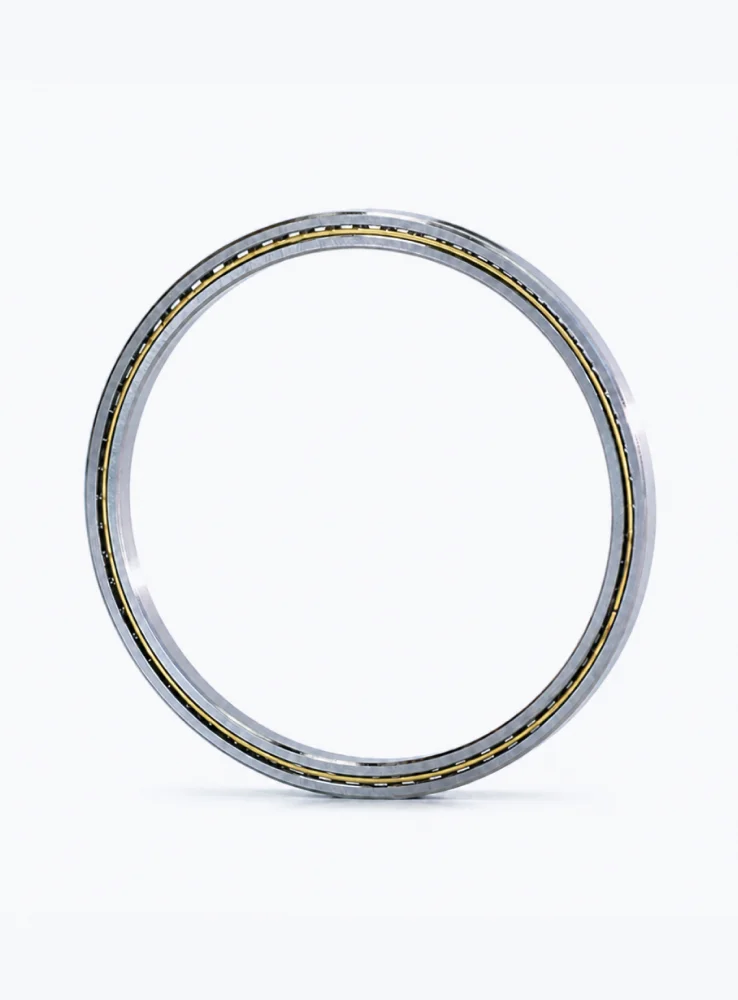
Crossed roller bearings are machined to tolerances of a few micrometers. Mishandling or poor storage can damage these components before they are ever installed.
Dust, moisture, and abrasive particles are the enemies of precision bearings. Leaving bearings unboxed on a dirty workbench, using contaminated tools, or failing to clean the surrounding area before installation can introduce particles that cause early wear. Always keep bearings in their original packaging until installation, and use clean, lint-free cloths and gloves when handling.
High humidity can cause rust on the exposed raceways or rolling elements, especially if the bearing has not been properly protected with a corrosion-inhibiting oil. Store bearings in a dry environment with stable temperature. For long-term storage, periodically inspect the protective coating and replenish it if necessary.
Crossed roller bearings are often used in pairs or with adjustable preload to achieve high rigidity. Setting the preload too high can cause excessive heat and rapid wear; setting it too low may result in reduced stiffness and vibration.
Misalignment between the shaft and housing causes uneven load distribution across the rollers, leading to localized stress and premature failure. Use precision alignment tools when installing the bearing, and always check for runout after assembly. A crossed roller bearing is not a self-aligning bearing; it requires that the mating components be aligned within its specified limits.
Some crossed roller bearing designs come with an integrated preload, while others require adjustment using shims or tightening torque. If the manufacturer specifies a particular preload value, follow it exactly. Do not attempt to compensate for other system compliances by tightening a bearing beyond its recommended preload, as this can permanently damage the raceways.
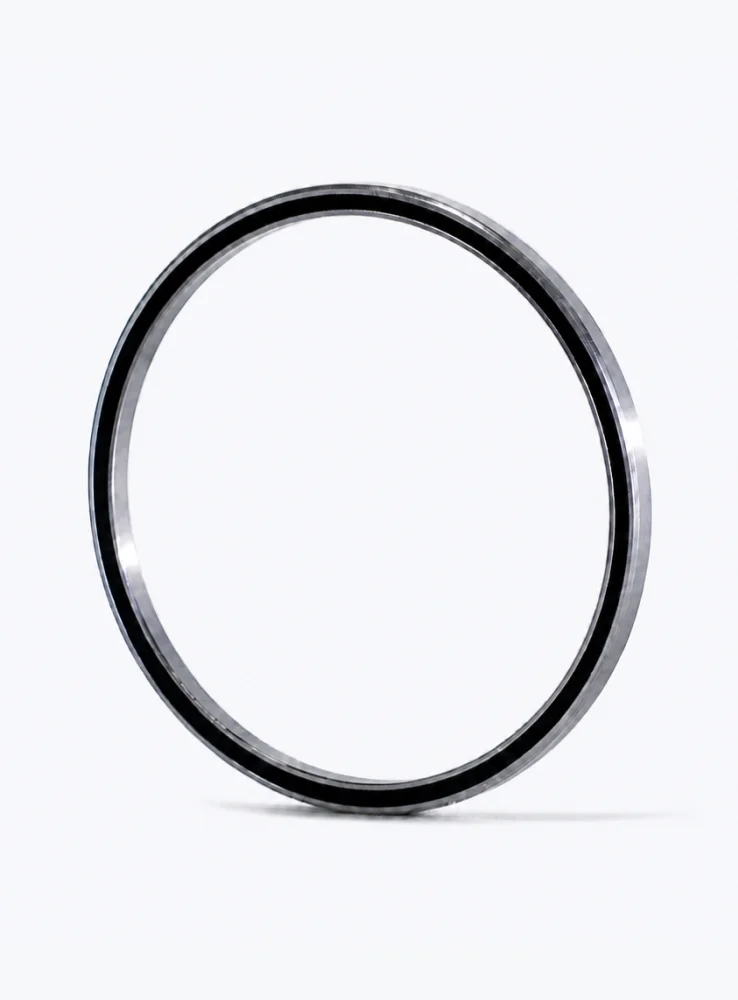 Many of these common mistakes can be avoided by collaborating with a reliable bearing supplier at the design stage. Experienced manufacturers like BIBO Bearing provide detailed engineering support, including tolerance recommendations, lubrication guides, and proper mounting procedures. Taking the time to study the application and follow best practices will result in longer bearing life, reduced downtime, and improved machine performance. Remember that a crossed roller bearing is a precision component—the care you invest in its selection, installation, and maintenance directly determines the return you get from it.
If you are unsure about any step in the process, consult BIBO Bearing's technical team. Their proven expertise can help you avoid costly errors and keep your systems running smoothly.
Crossed Roller Bearings vs Tapered Roller: Key Differences
Crossed Roller Bearings Precision Motion Guide
Crossed Roller Bearing vs Slewing Ring: Which to Use?
OEM vs Aftermarket Crossed Roller Bearings: What to Pick
How to Source Quality Crossed Roller Bearings in Bulk
The Future of Precision Rotation: Crossed Roller Bearings