Home- Crossed Roller Bearing-SX Type Thin Crossed Roller Bearing
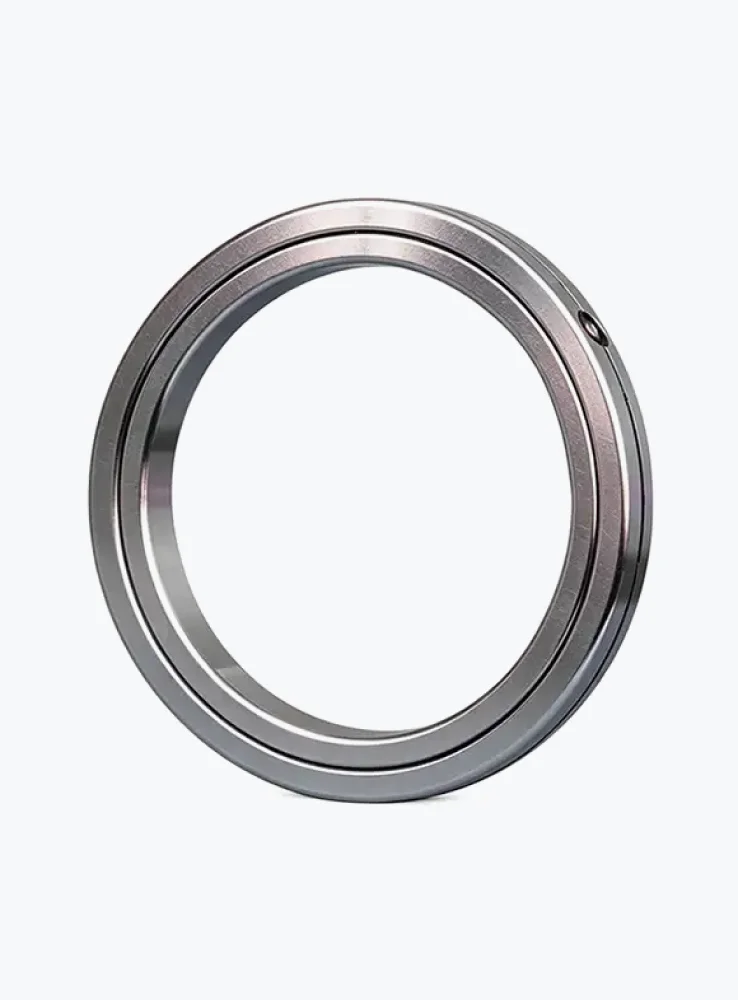
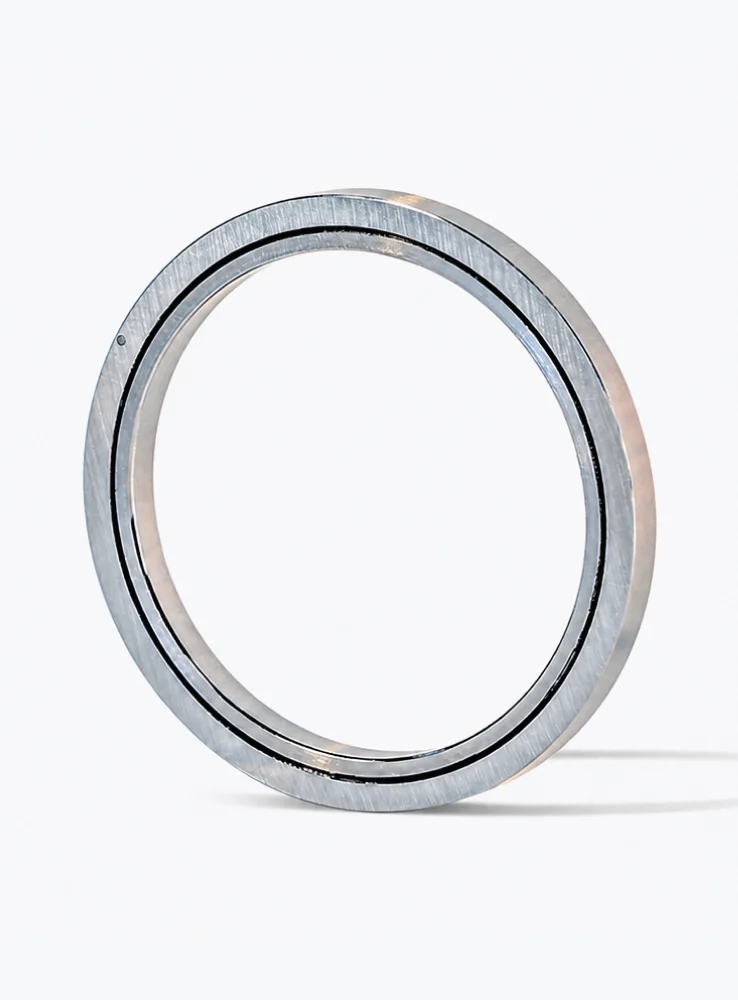
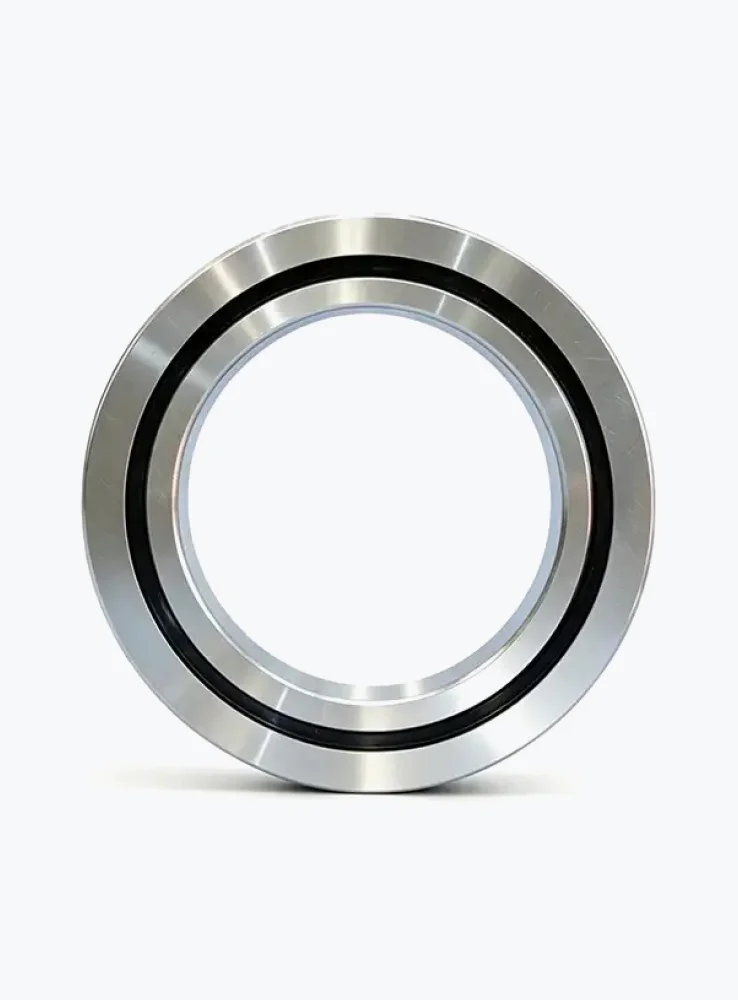
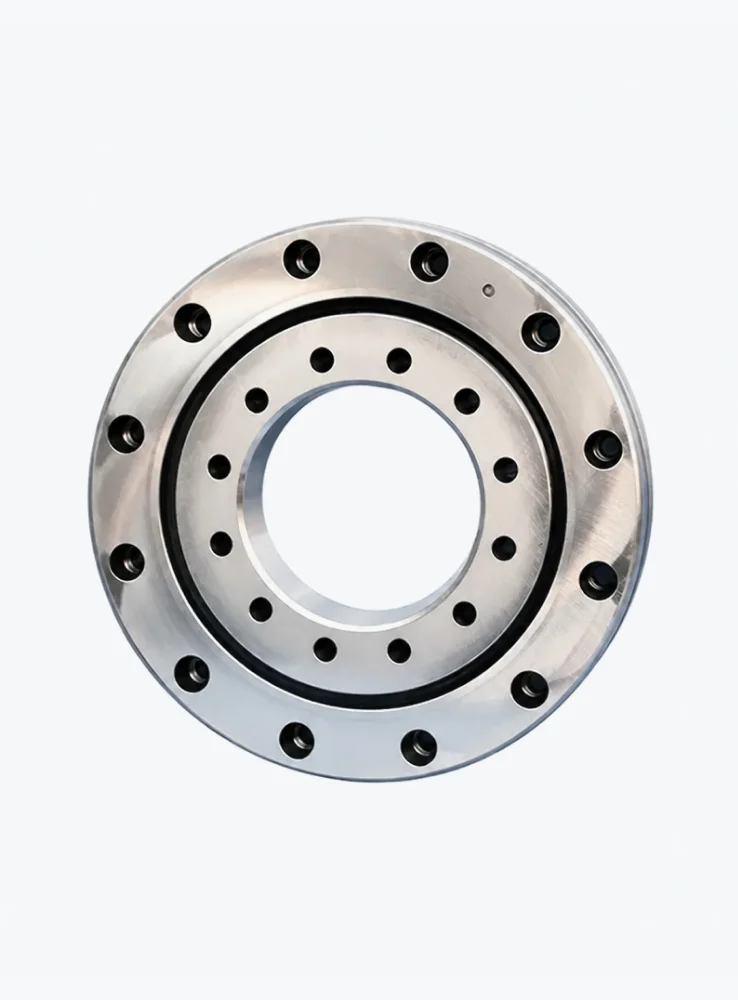
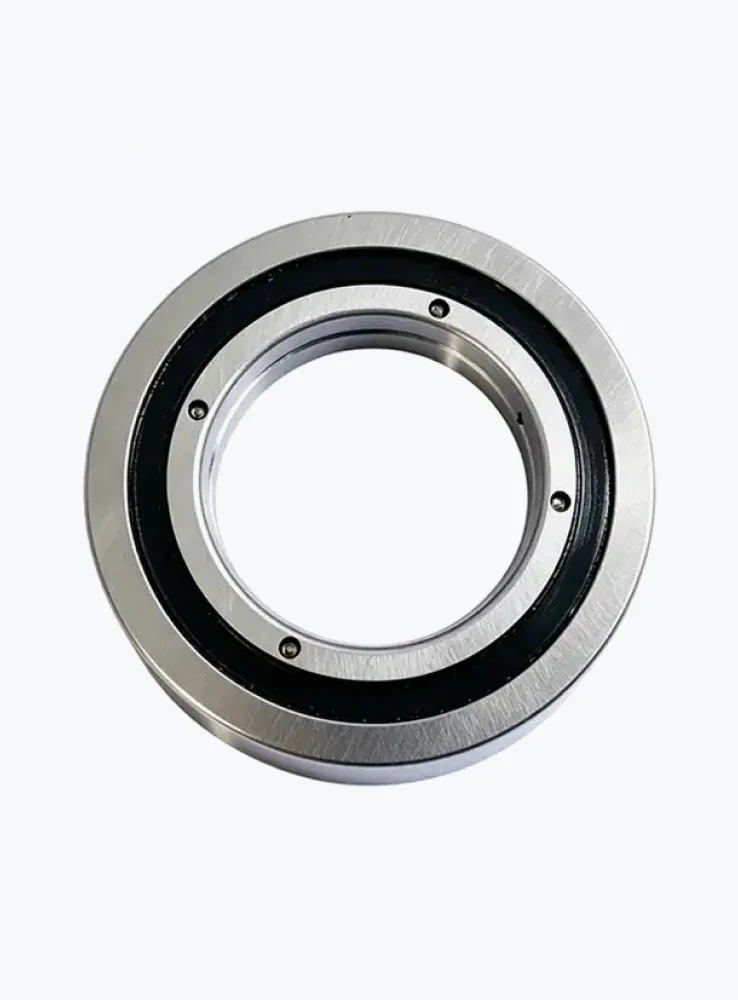
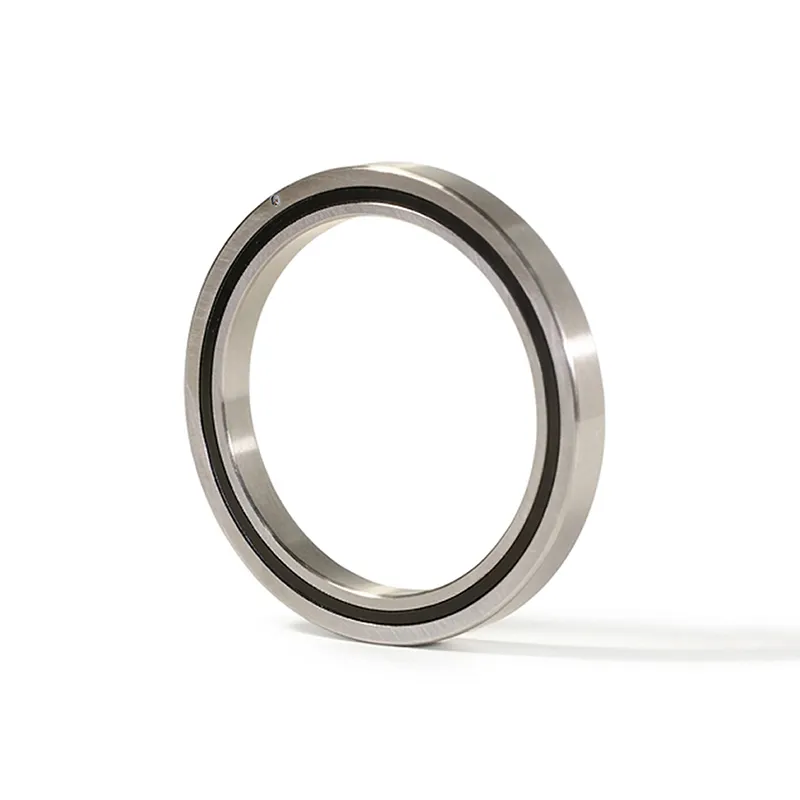
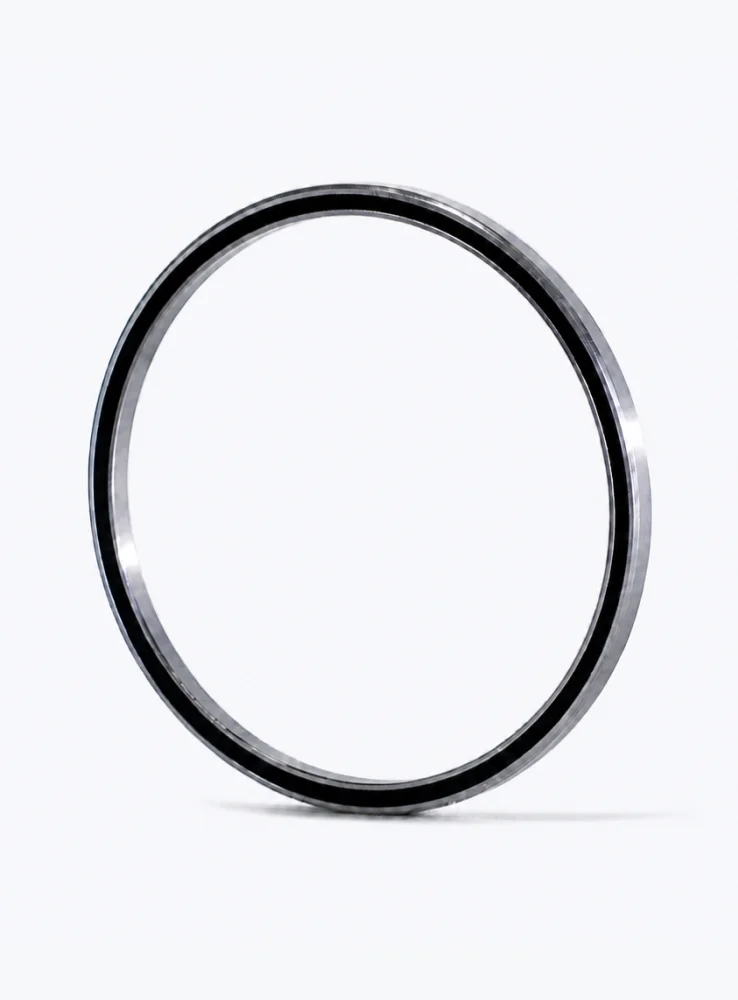
The SX type thin crossed roller bearing is a compact, high-precision bearing designed for applications where limited installation space, high rigidity, and accurate rotational performance are essential. Featuring cylindrical rollers arranged at 90° to each other, the SX structure can simultaneously accommodate radial loads, axial loads, and overturning moments while maintaining stable rotation and positioning accuracy. Its thin-section design helps reduce overall equipment size and weight, making it well suited for industrial robots, CNC rotary tables, precision measuring equipment, semiconductor machinery, and medical equipment. With carefully controlled geometry and reliable manufacturing quality, SX crossed roller bearings provide an efficient solution for demanding precision-motion systems.
The SX type thin crossed roller bearing is a type of crossed roller bearing structure specifically designed for high-precision, compact space, and high-rigidity applications. This product is widely used in robot joints, CNC rotary platforms, medical equipment, and precision measuring instruments, and is particularly suitable for mechanical structures with limited space but extremely high requirements for rotational accuracy and rigidity.
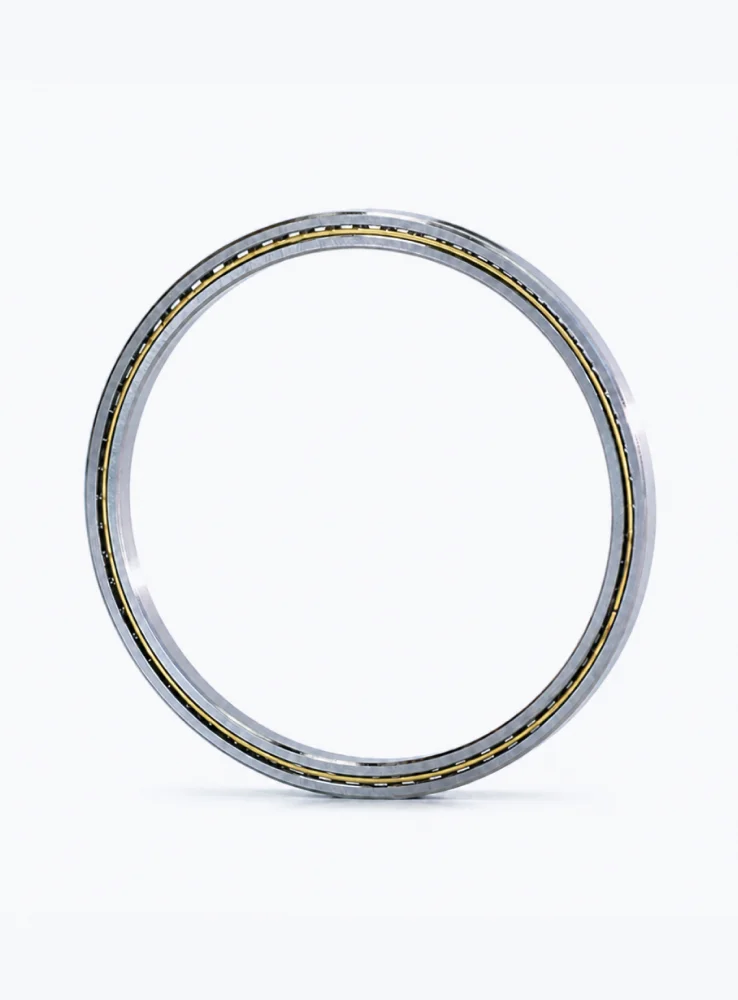
The SX type thin crossed roller bearing employs a 90° cross-arrangement of cylindrical rollers. Adjacent rollers are arranged in a cross-shaped pattern in the raceway. This structure allows it to simultaneously withstand radial loads, axial loads, and overturning moments.
Compared to traditional bearings, the SX type structure optimizes and compresses the height of the inner and outer rings, significantly reducing the overall bearing thickness, thus making it suitable for space-constrained equipment designs. Simultaneously, the rollers are evenly distributed between each other through an isolating cage, effectively reducing friction and improving operational stability.
In industrial applications, the core advantages of SX type thin crossed roller bearings are mainly reflected in the following aspects:
1. High Rigidity and High Load Capacity
This structure achieves multi-directional force decomposition through the cross-arranged rollers, allowing the bearing to maintain a stable structure even under complex loads, reducing the likelihood of deformation. This makes it suitable for high-load precision equipment.
2. High Rotational Accuracy
Because the rollers are arranged at 90° intervals and closely fit the raceway, the bearing effectively suppresses runout and vibration during operation, ensuring higher positioning accuracy for rotating platforms or robotic arms.
3. Compact Design and Space Saving
SX type bearings are thin-walled designs, significantly reducing installation space while maintaining load capacity. This makes them ideal for robot joints, automated equipment, and lightweight structural designs.
4. Smooth, Low-Friction Operation
The optimized roller arrangement reduces the proportion of sliding friction, resulting in more stable motion characteristics during low- and medium-speed operation, while also extending service life.
SX type thin crossed roller bearings have significant application value in modern high-end equipment manufacturing, primarily including:
Industrial robot joints and rotating bases
CNC rotary tables
Precision measurement and testing equipment
Medical imaging equipment (such as CT rotating mechanisms)
Automated assembly and semiconductor manufacturing equipment
Optical instruments and high-precision positioning systems
These applications typically have strict requirements for space, rigidity, and accuracy, making the SX type structure a preferred choice.
To ensure that the SX type thin crossed roller bearing meets actual working conditions, engineers typically need to focus on the following parameters:
1. Bearing Dimensions and Installation Space
Different equipment structures impose different limitations on the bearing's outer diameter, height, and mounting hole positions, requiring matching during the design phase.
2. Load Type and Magnitude
The combined effects of radial load, axial load, and overturning moment need to be clearly defined to ensure the bearing remains stable during long-term operation.
3. Rotational Accuracy Grade
For robots or measuring equipment, high-precision grade products should be prioritized to reduce the accumulation of systematic errors.
4. Speed and Lubrication Conditions
Although this type of bearing is more suited for low- to medium-speed applications, the lubrication method still directly affects its lifespan and stability.
To fully utilize the performance advantages of the SX type thin crossed roller bearing, the following points should be noted during actual use:
During installation, avoid external forces impacting the bearing raceway to prevent affecting accuracy; simultaneously, ensure that the flatness and perpendicularity of the mounting surface meet design requirements to reduce the risk of off-center loading.
Regarding operation and maintenance, it is recommended to replenish grease regularly according to operating conditions and monitor changes in operating temperature rise and noise to promptly detect abnormal wear. Proper maintenance can significantly extend the bearing's service life and maintain stable accuracy output.
1. What is an SX type thin crossed roller bearing used for?
SX type thin crossed roller bearings are commonly used in precision rotary systems where high rigidity, compact design, and accurate positioning are required. Typical applications include industrial robots, CNC rotary tables, medical imaging equipment, and high-precision measuring instruments. These systems rely on stable rotation and minimal deflection, which this bearing structure is designed to support.
2. How is an SX type crossed roller bearing different from standard bearings?
Unlike standard ball bearings, the SX type uses cylindrical rollers arranged in a 90° cross pattern. This design allows the bearing to handle radial load, axial load, and overturning moment simultaneously. Compared with traditional bearings, it provides higher rigidity and improved rotational accuracy in a much thinner structure.
3. Why is the SX type called a “thin section” bearing?
The SX type is referred to as a thin section bearing because its overall height is significantly reduced while maintaining load capacity. This compact structure allows engineers to design smaller and lighter equipment without sacrificing performance, especially in space-limited mechanical assemblies.
4. Can SX type crossed roller bearings support heavy loads?
Yes, SX type bearings are designed to handle combined loads, including axial, radial, and moment loads. However, their strength lies more in high rigidity and precision rather than extremely heavy industrial loads. Proper load calculation is important to ensure optimal performance and long service life.
5. What industries commonly use SX type thin crossed roller bearings?
These bearings are widely used in robotics, semiconductor manufacturing, CNC machining centers, aerospace equipment, optical instruments, and medical devices. Any industry requiring high-precision rotation in compact spaces can benefit from this bearing type.
6. How does the SX type improve rotational accuracy?
The cross arrangement of rollers ensures uniform load distribution around the raceway, which reduces runout and vibration during rotation. This structure helps maintain consistent positioning accuracy even under complex loading conditions.
7. What maintenance does an SX type crossed roller bearing require?
Regular lubrication is essential to maintain smooth operation and reduce wear. In most applications, periodic grease replenishment is recommended based on operating conditions. It is also important to prevent contamination and ensure proper sealing during operation.
8. How should an SX type bearing be installed correctly?
Installation should be carried out on a clean, flat mounting surface with precise alignment. Excessive force or impact during installation should be avoided to prevent damage to the raceways. Proper torque control and even fastening are also important to maintain performance accuracy.
9. What factors should be considered when selecting an SX type bearing?
Key selection factors include load type (axial, radial, moment), required precision level, installation space, rotational speed, and lubrication conditions. A correct selection ensures long-term stability and prevents premature wear.
10. Why is the SX type suitable for robotic applications?
Robotic systems require compact structure, high stiffness, and precise motion control. The SX type crossed roller bearing meets all these requirements by offering strong load resistance and minimal deformation in a slim design, making it ideal for robot joints and rotary arms.
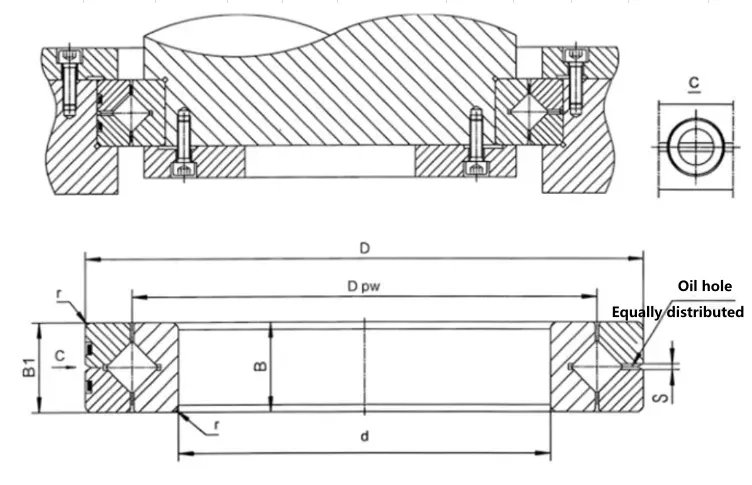
| SX Type Thin Crossed Roller Bearing Unit:mm | ||||||||||||
| Part Number | d | D | B | Chamfer | Pitch Dia. | Oil hole | Shoulder Size | Basic Load Rating(Radial) | Weight | Equivalent to | ||
| r min | Dpw | S | ds | Dh | Cr (kN) | Cor (kN) | (Kg) | |||||
| NSX011814 | 70 | 90 | 10 | 0.6 | 80 | 1.2 | 77 | 83 | 12 | 30 | 0.3 | SX011814 |
| NSX011818 | 90 | 115 | 13 | 1 | 102 | 1.2 | 98.1 | 105.9 | 17 | 47 | 0.4 | SX011818 |
| NSX011820 | 100 | 125 | 13 | 1 | 112 | 1.2 | 108.1 | 115.9 | 18 | 52 | 0.5 | SX011820 |
| NSX011824 | 120 | 150 | 16 | 1 | 135 | 1.5 | 130.2 | 139.8 | 26 | 75 | 0.8 | SX011824 |
| NSX011828 | 140 | 175 | 18 | 1.1 | 157 | 1.5 | 151.6 | 162.4 | 41 | 116 | 1.1 | SX011828 |
| NSX011832 | 160 | 200 | 20 | 1.1 | 180 | 1.5 | 174 | 186 | 44 | 133 | 1.7 | SX011832 |
| NSX011836 | 180 | 225 | 22 | 1.1 | 202 | 2 | 195.4 | 208.6 | 63 | 187 | 2.3 | SX011836 |
| NSX011840 | 200 | 250 | 24 | 1.5 | 225 | 2 | 217.8 | 232.2 | 68 | 208 | 3.1 | SX011840 |
| NSX011848 | 240 | 300 | 28 | 2 | 270 | 2 | 261.6 | 278.4 | 95 | 300 | 5.3 | SX011848 |
| NSX011860 | 300 | 380 | 38 | 2.1 | 340 | 2.5 | 328.6 | 351.4 | 156 | 504 | 12 | SX011860 |
| NSX011868 | 340 | 420 | 38 | 2.1 | 380 | 2.5 | 368.6 | 391.4 | 167 | 563 | 13.5 | SX011868 |
| NSX011880 | 400 | 500 | 46 | 2.5 | 450 | 2.5 | 436.2 | 463.8 | 244 | 833 | 24 | SX011880 |
| NSX0118/500 | 500 | 620 | 56 | 3 | 560 | 2.5 | 543.2 | 576.8 | 355 | 1244 | 44 | SX0118/500 |