Home- Application-Harmonic Drive Reducers
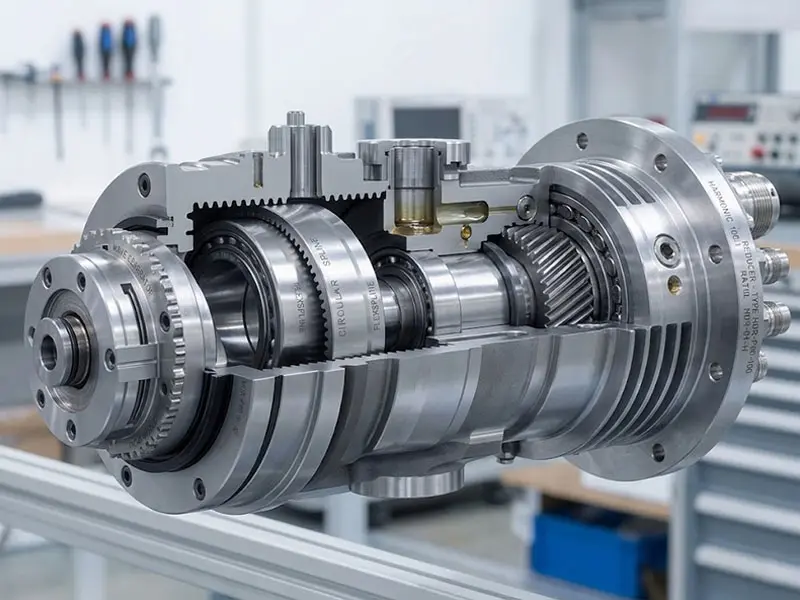
In today’s precision-driven industries, Harmonic Drive Reducers have become a core component in applications that demand high accuracy, compact design, and zero backlash transmission. As a thin section bearing manufacturer, we understand that the performance of a harmonic reducer does not rely solely on its flexspline and wave generator design. The bearing system inside the reducer plays a decisive role in determining positioning accuracy, rotational smoothness, and overall service life.
Thin section bearings provide a highly efficient solution for harmonic drive systems by combining compact geometry with exceptional load capacity. This article explains how thin section bearings support harmonic drive reducers, what challenges they solve, and how to select the right configuration for demanding industrial environments.
Harmonic drive reducers operate based on elastic deformation of a flexspline, which creates unique loading conditions inside the system. Unlike conventional gear systems, harmonic drives generate:
High radial and axial loads in a confined space
Repetitive deformation cycles
Strict requirements for rotational accuracy and stability
Sensitivity to bearing stiffness and runout
Traditional bearing solutions often fail to meet these requirements due to their size limitations or insufficient rigidity. Engineers therefore need a bearing solution that delivers high precision without increasing system footprint.
Thin section bearings are specifically designed to address this challenge.
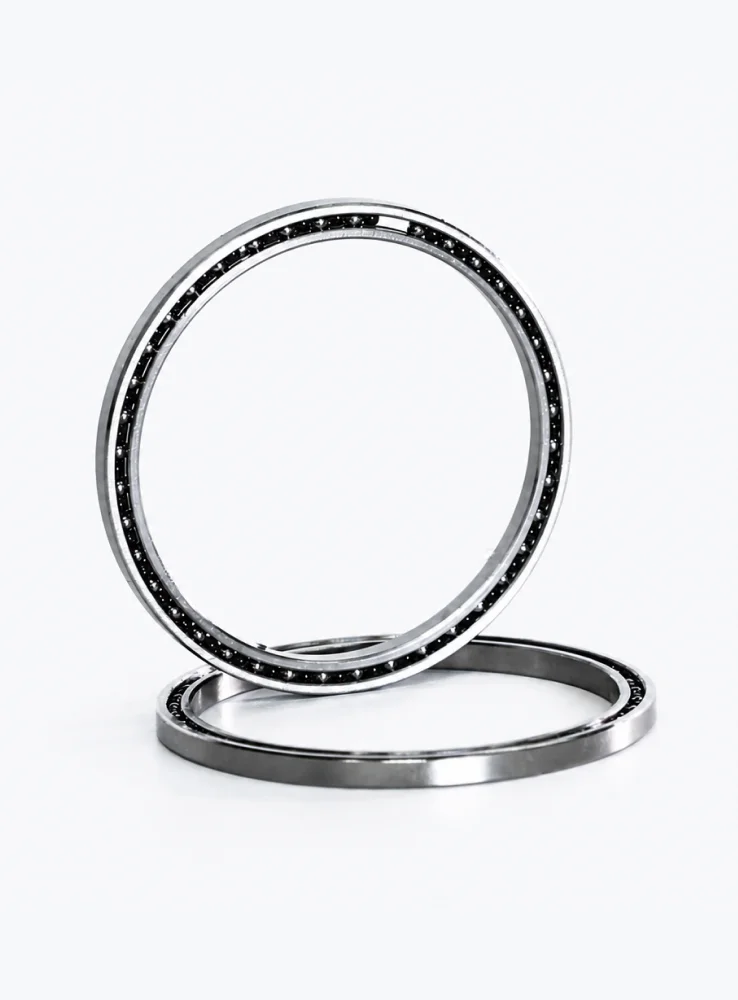
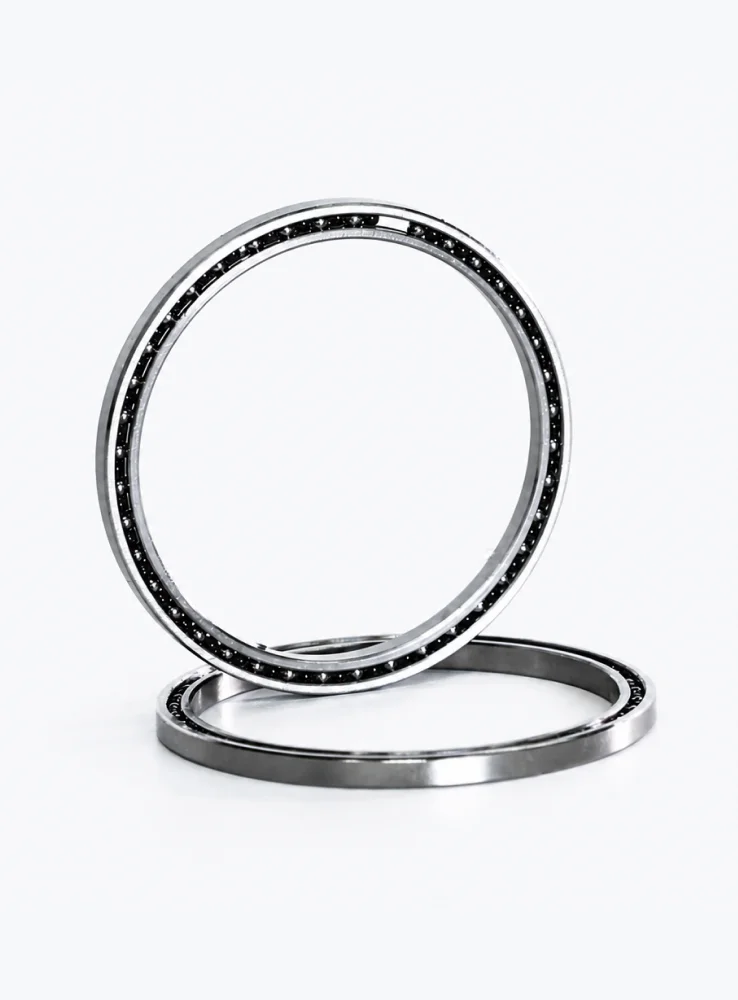
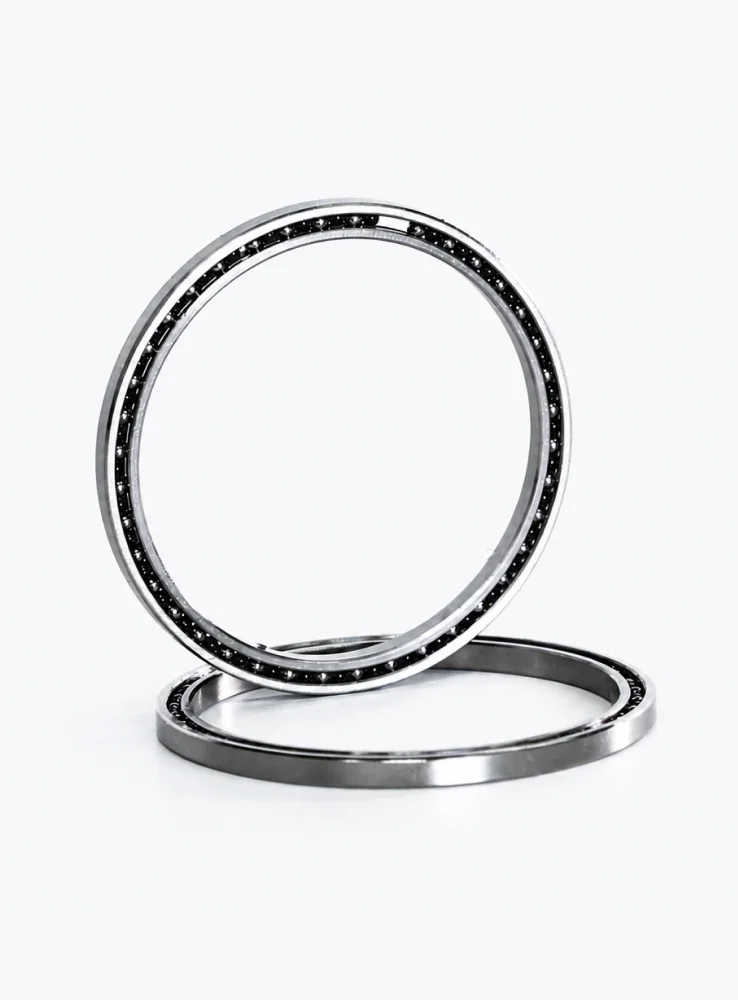
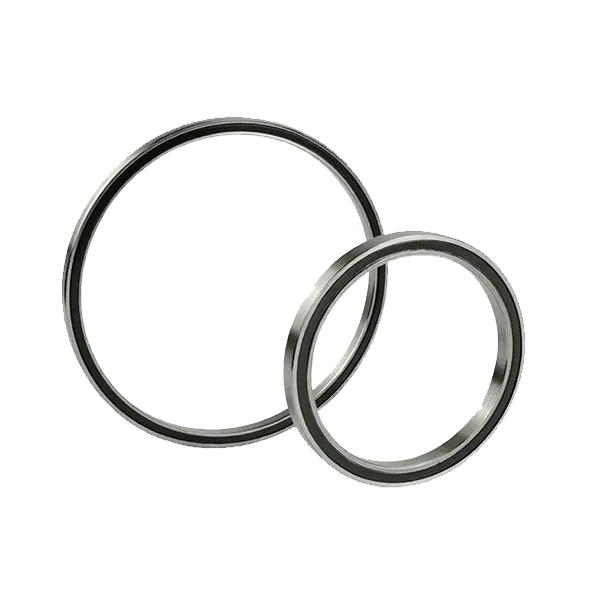
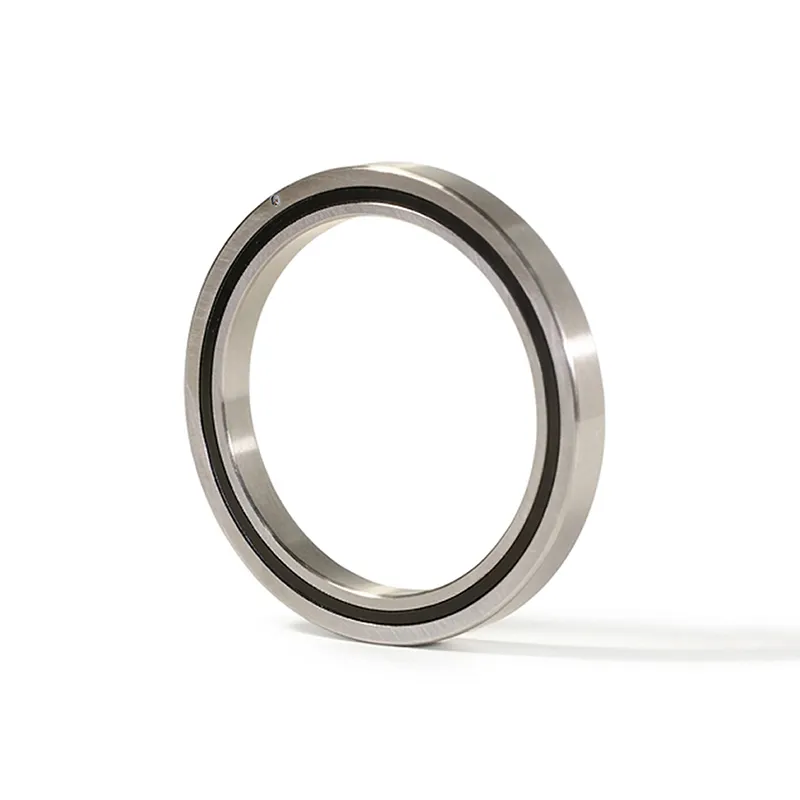
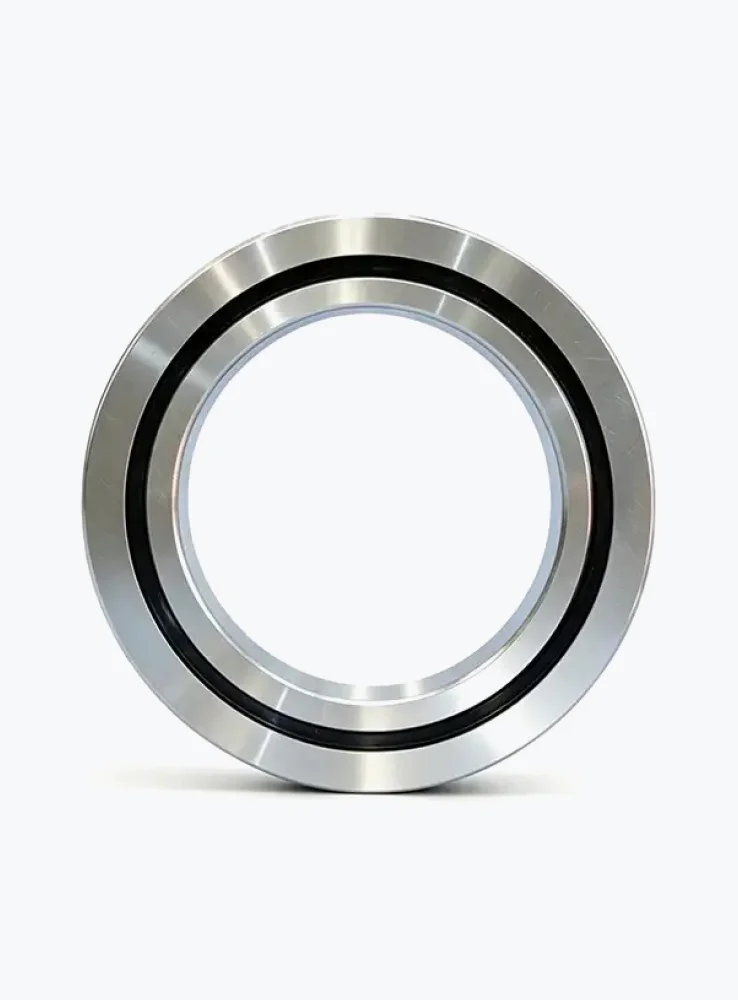
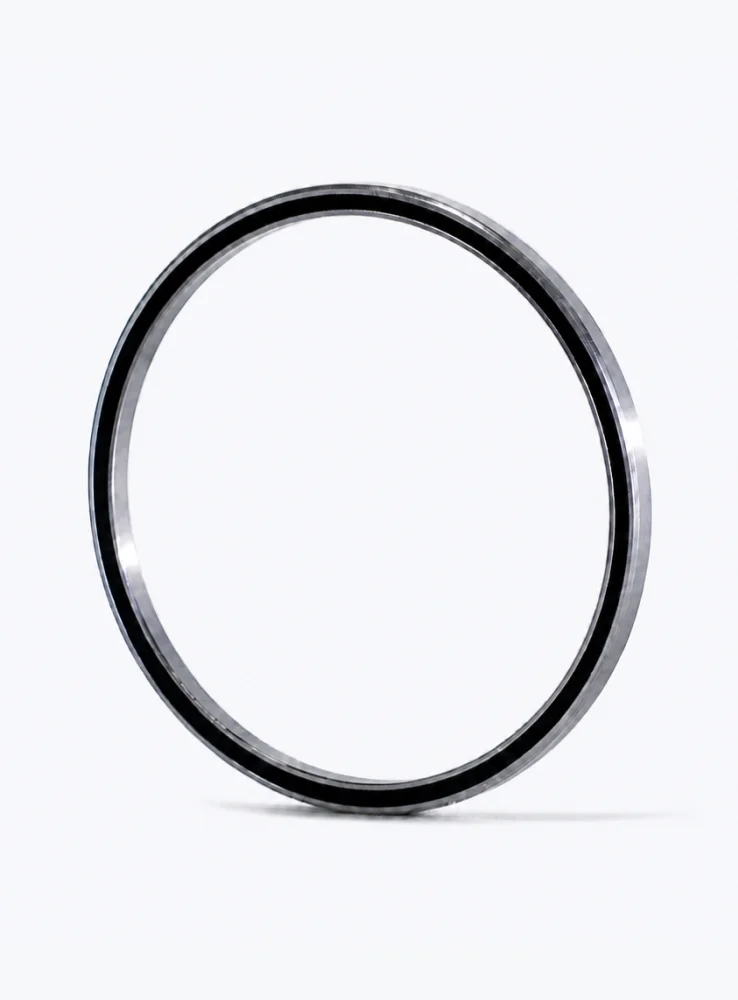
Thin section bearings are characterized by a constant cross-section regardless of bore size. This structural advantage allows designers to integrate larger inner diameters without increasing weight or space requirements.
In harmonic drive reducers, thin section bearings are typically used in the following positions:
1. Wave Generator Support
The wave generator is the key driving component in a harmonic reducer. It requires a bearing that can handle elliptical deformation while maintaining smooth rotation.
Thin section bearings provide:
High rotational accuracy
Uniform load distribution
Reduced friction under dynamic conditions
2. Output Shaft Support
The output stage must transmit torque with minimal backlash. Any instability in the bearing will directly affect positioning accuracy.
Thin section bearings ensure:
High rigidity under combined loads
Stable torque transmission
Minimal vibration and noise
3. Compact Structural Integration
Harmonic reducers are widely used in robotics and automation, where space and weight are critical constraints.
Thin section bearings enable:
Lightweight design
Reduced assembly complexity
More compact gearbox architecture
High Precision and Zero Backlash Support
Thin section bearings are manufactured with tight tolerances, which aligns perfectly with the zero-backlash requirement of harmonic reducers. This precision directly improves positioning accuracy in applications such as industrial robots and CNC systems.
Excellent Load Capacity in Limited Space
Despite their slim profile, thin section bearings can support radial, axial, and moment loads simultaneously. This multi-directional load capacity is essential for harmonic drives operating under complex motion conditions.
Reduced Friction and Energy Consumption
Optimized raceway geometry and high-quality materials reduce friction inside the bearing. As a result, harmonic drive systems achieve higher efficiency and lower heat generation during continuous operation.
Superior Structural Stability
Thin section bearings maintain consistent stiffness even under varying loads. This stability prevents deformation-related errors and ensures long-term reliability in high-cycle applications.
Thin section bearings used in harmonic drive reducers are widely adopted across multiple high-end industries:
Industrial robots (articulated arms, SCARA robots)
Collaborative robots (cobots)
Semiconductor manufacturing equipment
Aerospace positioning systems
Medical robotic devices
Precision automation equipment
In these industries, even minor deviations in motion control can lead to significant performance issues. Thin section bearings help eliminate these risks by providing consistent and predictable mechanical behavior.
Selecting the right thin section bearing for harmonic drive reducers requires careful evaluation of several factors:
Material Selection
High-grade bearing steel or stainless steel ensures durability and resistance to fatigue. For specialized environments, corrosion-resistant materials may be required.
Bearing Type
Common configurations include:
Angular contact thin section bearings for combined loads
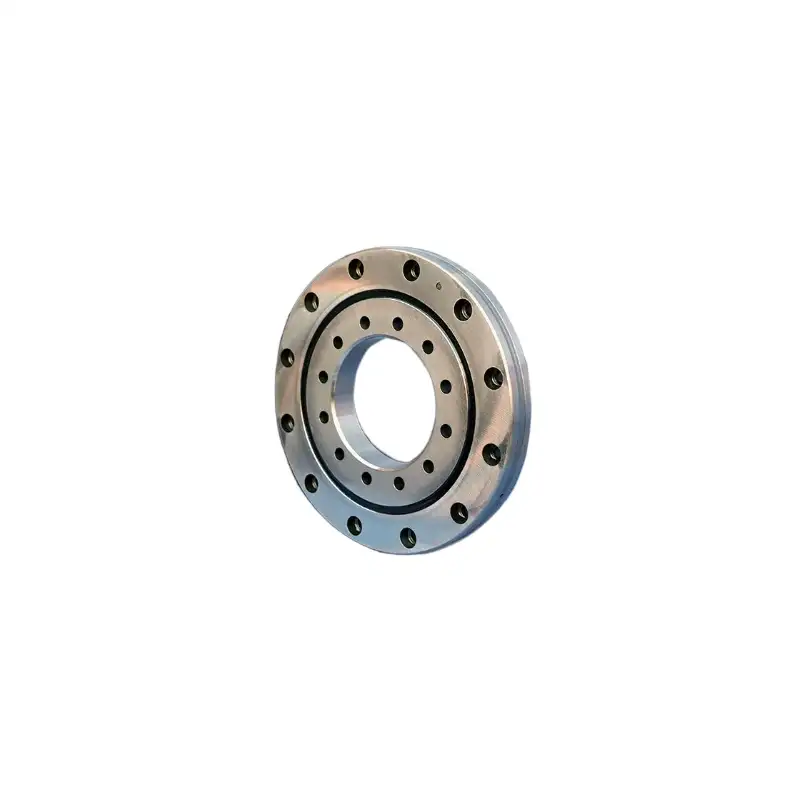
Cross roller thin section bearings for high rigidity
Deep groove thin section bearings for general applications
Each type serves a specific function depending on load direction and precision requirements.
Lubrication Strategy
Proper lubrication reduces wear and extends service life. Grease selection should match operating speed, temperature, and environmental conditions.
Sealing and Protection
In dusty or cleanroom environments, sealing solutions must prevent contamination without increasing friction.
Challenge 1: Limited Installation Space
Thin section bearings reduce radial cross-section while maintaining performance, allowing more compact reducer designs.
Challenge 2: High Repetitive Stress
Advanced heat treatment and material processing improve fatigue resistance, ensuring long-term durability.
Challenge 3: Precision Degradation Over Time
Stable internal geometry and minimal wear help maintain accuracy throughout the bearing lifecycle.
Challenge 4: Integration Complexity
Thin section bearings simplify system design by combining load capacity and compactness in a single component.
For harmonic drive applications, bearing quality directly impacts the final product performance. When selecting a thin section bearing manufacturer, buyers should evaluate:
Manufacturing precision and quality control standards
Experience in robotics and precision transmission industries
Customization capabilities for non-standard designs
Testing and validation processes
Global supply and technical support
A reliable supplier not only provides products but also offers engineering support to optimize system performance.
Thin section bearings have become an indispensable component in harmonic drive reducers. Their ability to deliver high precision, compact design, and long-term stability makes them the preferred choice for modern motion control systems.
As industries continue to demand smaller, lighter, and more precise equipment, the role of thin section bearings will only grow in importance. By selecting the right bearing design and partner, manufacturers can significantly enhance the performance, reliability, and competitiveness of their harmonic drive solutions.