Home- Application-Textile Machinery
Against the backdrop of the textile machinery industry’s continuous shift toward higher speeds, greater automation, and enhanced precision, equipment manufacturers are raising the bar for the performance of core components. As a critical transmission and support part, thin-section bearings have emerged as a key choice for optimizing textile machinery design. As a professional thin-section bearing manufacturer, we have long served the textile equipment sector, deeply understand industry pain points, and deliver stable, efficient, and sustainable solutions through continuous technological innovation.
Textile machinery encompasses a wide range of equipment, including spinning machines, weaving machines, knitting machines, dyeing and finishing equipment, and automatic winding machines. These machines typically operate at high speeds, run continuously for extended periods, and feature compact spatial structures. As such, equipment manufacturers focus on the following key factors when selecting bearings:
First, equipment must accommodate more complex functional layouts within limited space, which places strict constraints on bearing size and structure. Second, the high operating speeds of textile machinery demand exceptional speed performance and stability from bearings. Third, long-term continuous operation requires bearings to offer superior wear resistance and a long service life, minimizing downtime and maintenance costs. Finally, modern textile factories are increasingly prioritizing energy consumption control and noise reduction, which imposes higher standards for bearing friction performance and operational smoothness.
To address these industry needs, thin-section bearings—with their unique structural design and performance advantages—are being adopted by a growing number of textile equipment manufacturers.
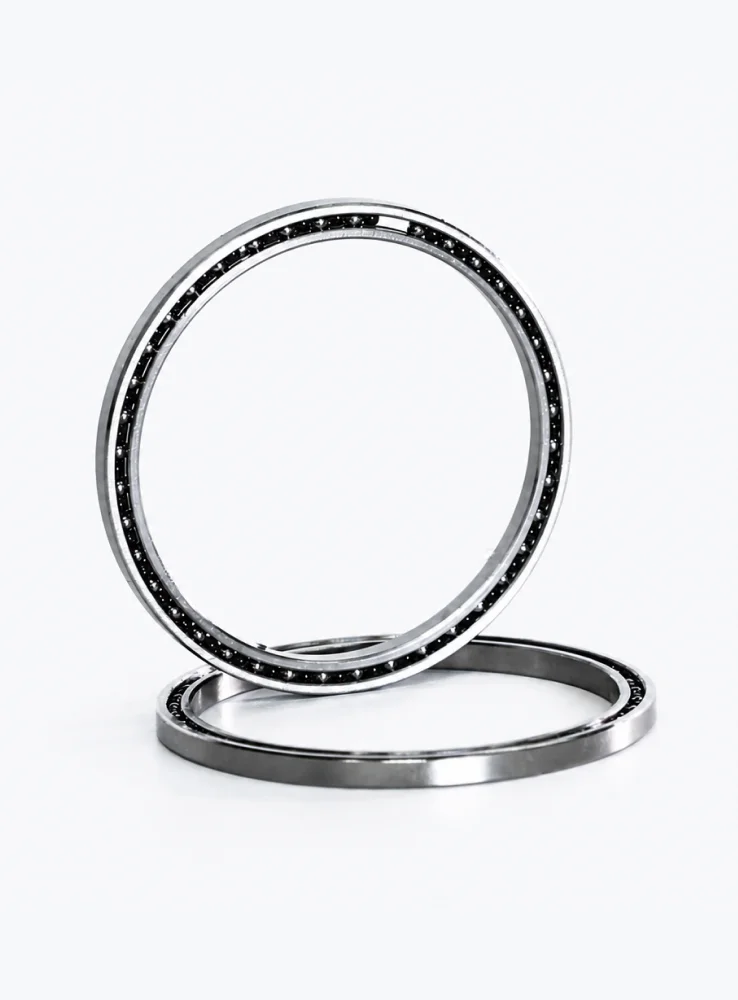
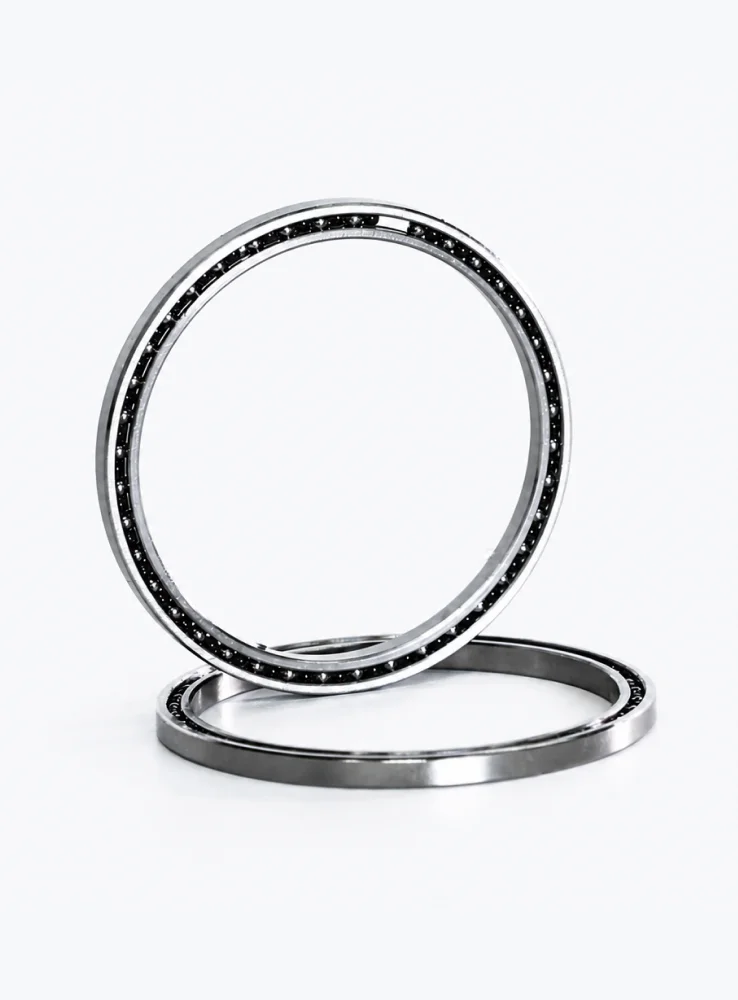
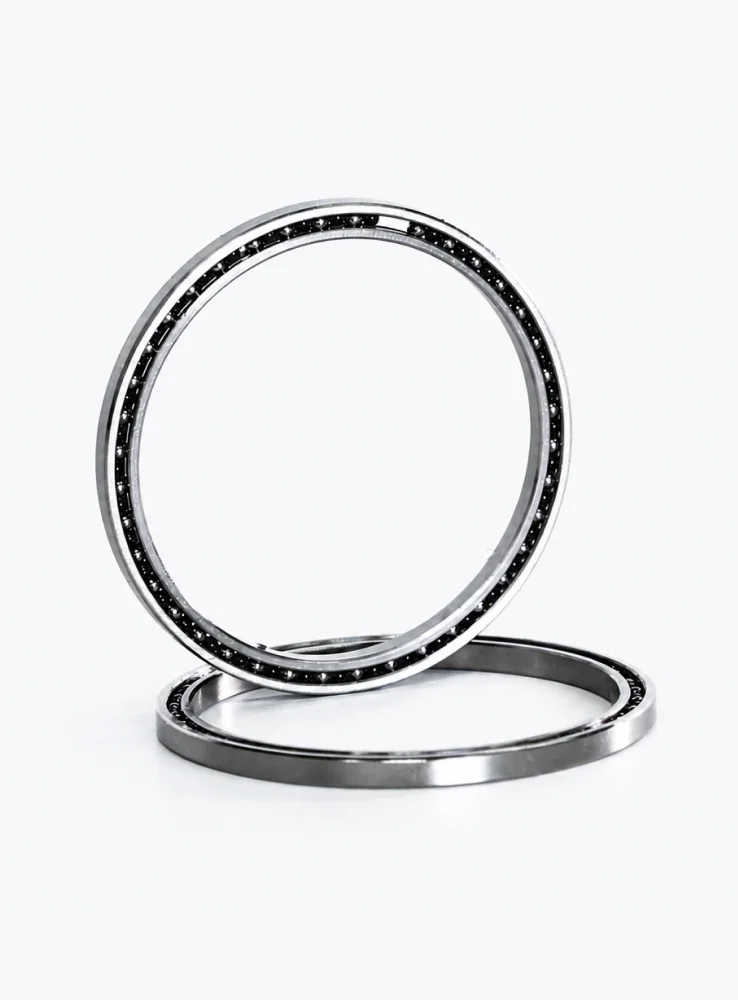
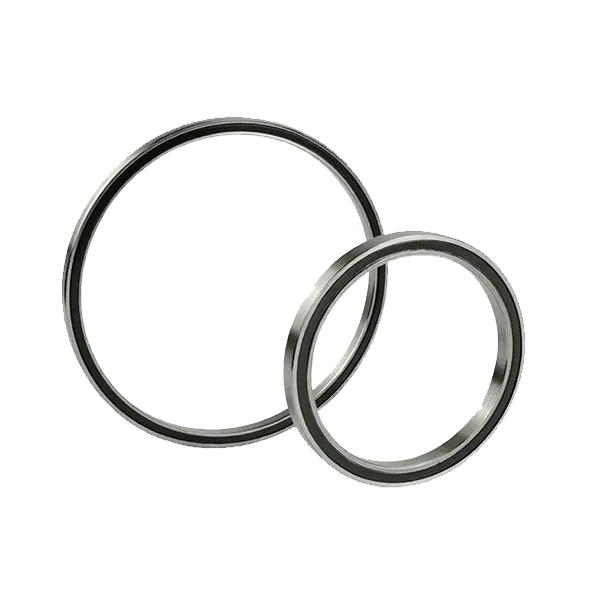
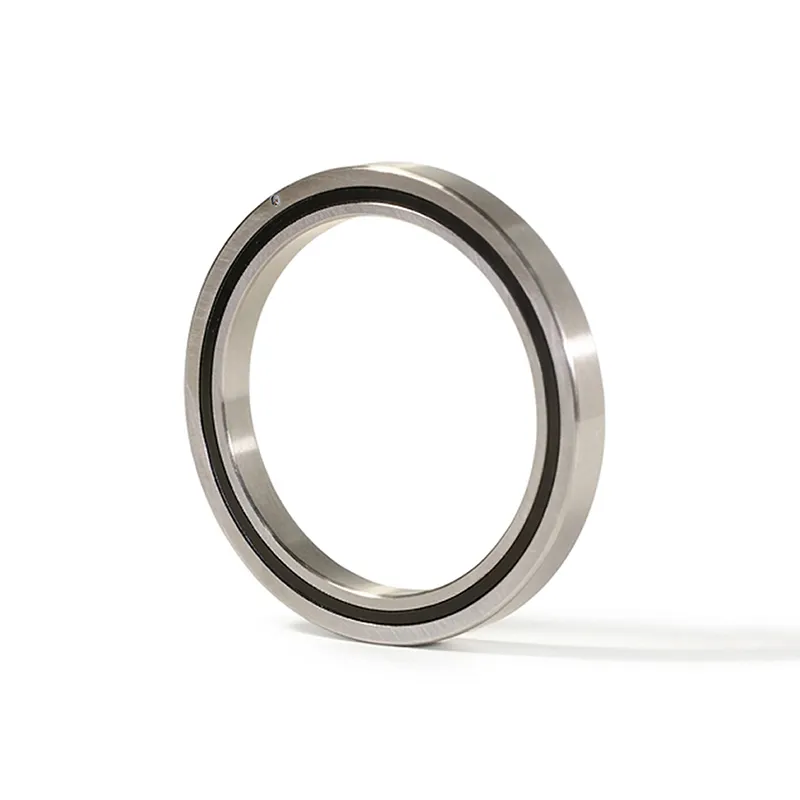
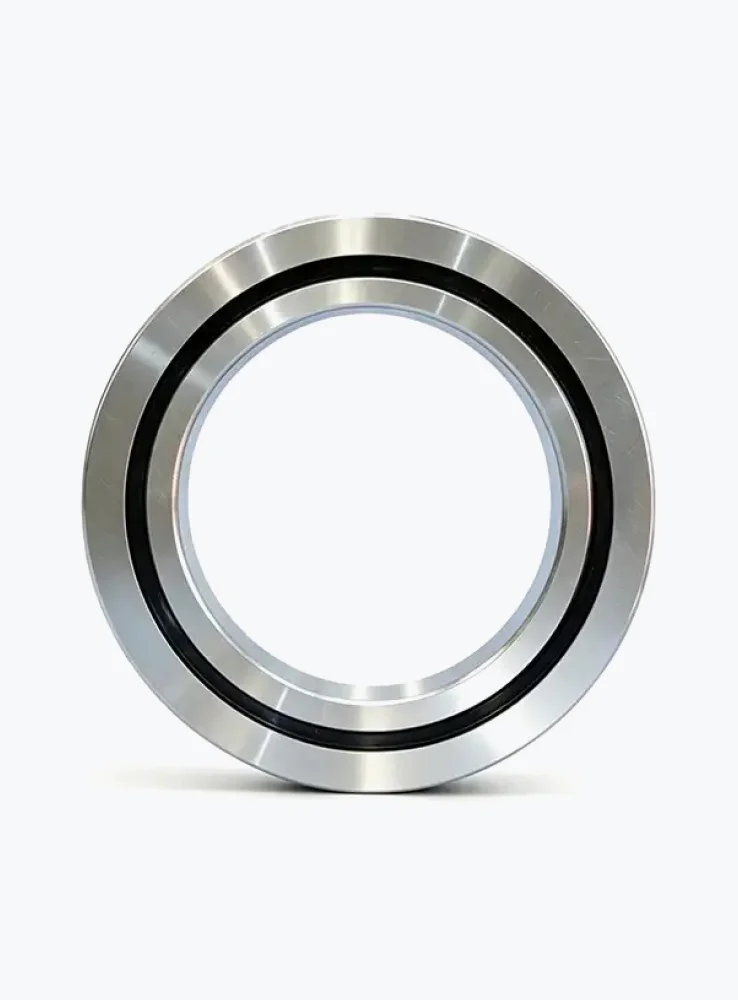
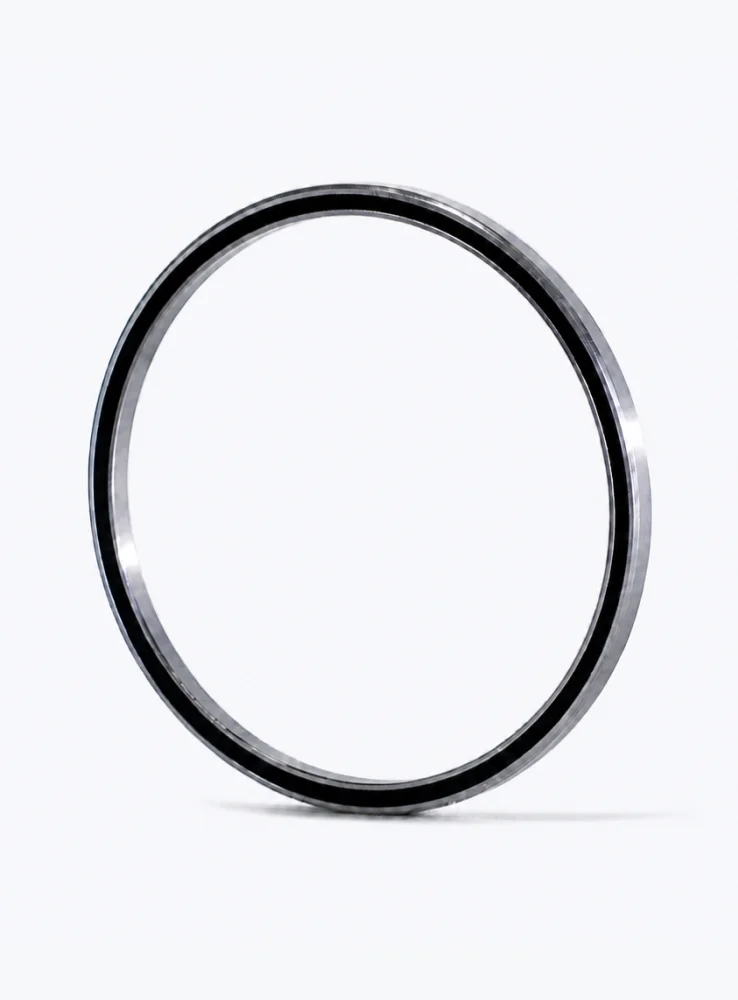
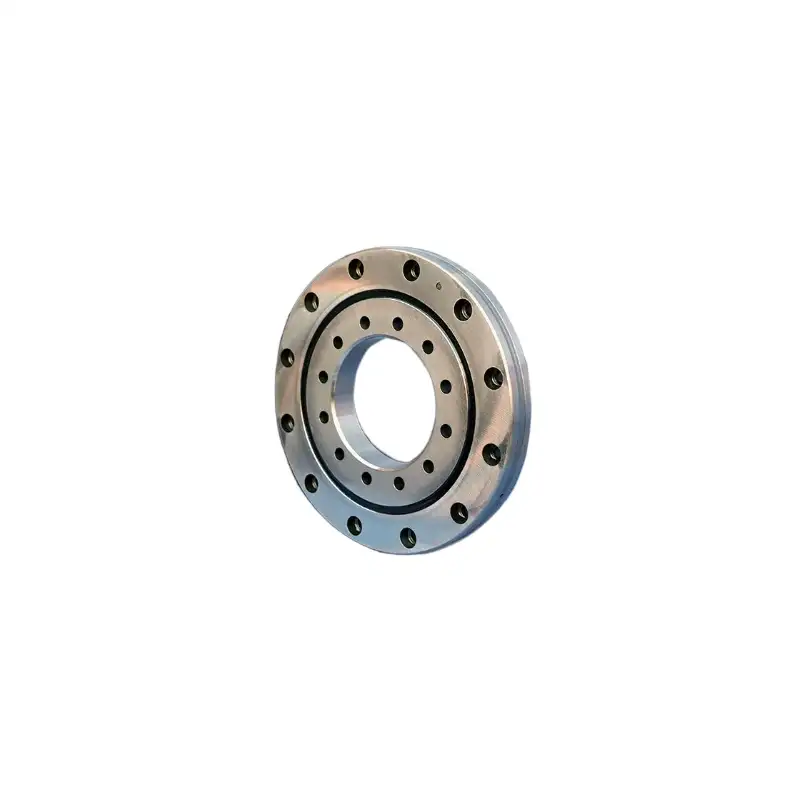
Our thin-section bearings feature a significantly reduced cross-sectional thickness while maintaining a large inner diameter. This design effectively saves equipment installation space, granting engineers greater flexibility in equipment design. This advantage is particularly valuable for textile machinery requiring multi-axis integration or compact layouts.
Furthermore, thin-section bearings boast a low friction coefficient, which not only boosts equipment operating efficiency but also reduces energy consumption. In high-speed textile equipment, this characteristic significantly minimizes heat buildup, thereby extending the service life of both the bearings and the equipment itself.
In terms of stability, our optimized raceway design and premium material selection ensure that bearings maintain high precision and low vibration levels even at high speeds. This is critical for ensuring textile quality, as even minor vibrations can disrupt yarn tension or fabric uniformity.
In practical applications, thin-section bearings have been widely integrated into several key equipment components across the textile industry.
In automatic winding machines, bearings must support high-speed rotation while maintaining extremely high operational stability. Our solutions enable smoother winding processes, reducing yarn breakage and improving overall production efficiency.
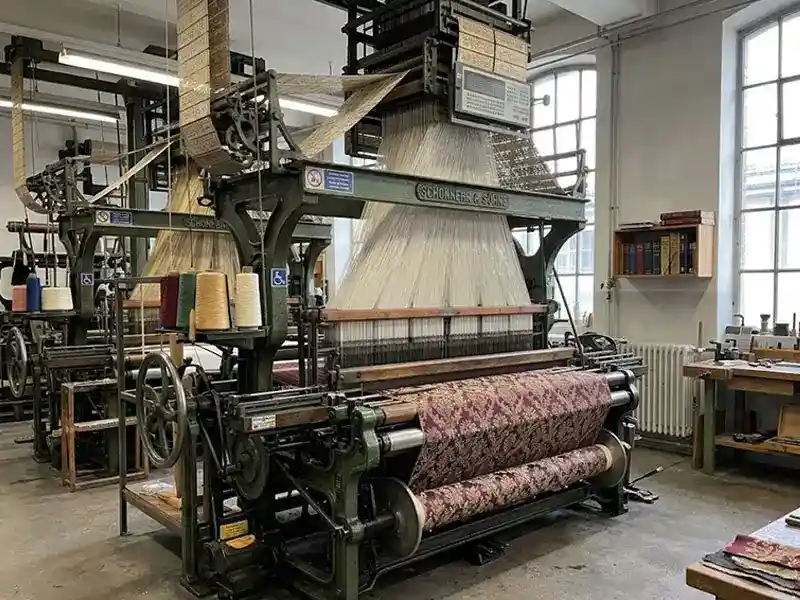
In high-speed looms, the compact spatial layout and complex movements often make traditional bearings impractical. The application of thin-section bearings effectively reduces the overall structural weight while enhancing the response speed of the transmission system.
In dyeing and finishing equipment, the high-humidity environment makes bearing corrosion resistance particularly critical. We offer customized material and surface treatment solutions tailored to customer needs, ensuring bearing reliability in harsh, complex environments.
We recognize that different types of textile equipment have vastly different bearing requirements. Therefore, we provide not only standardized products but also robust customization and R&D capabilities. Whether it involves size adjustments, material optimization, or special sealing structure design, we can develop tailored solutions for our customers’ specific application scenarios.
Our engineering team participates in customer design from the early stages of a project, offering systematic technical support—from load analysis and service life calculations to installation optimization. This collaborative development model not only shortens product development cycles but also significantly reduces customers’ trial-and-error costs.
Throughout the manufacturing process, we strictly implement quality control protocols, rigorously overseeing every step from raw material selection to final product testing. We utilize high-precision machining equipment and advanced testing technologies to ensure that every bearing meets design standards and performance requirements.
Furthermore, we continuously optimize product performance through extensive real-world testing, ensuring stable operation during long-term use. This ongoing investment in reliability has earned us a strong reputation in the global textile machinery industry.
Selecting the right bearing is not just a technical decision—it also involves a comprehensive consideration of cost and efficiency. By providing high-performance thin-section bearings, we help customers unlock greater value in the following ways:
We assist equipment manufacturers in optimizing structural design, reducing overall machine weight and material costs. We enhance equipment operating efficiency and lower energy consumption. We extend equipment maintenance intervals and minimize downtime losses. Ultimately, these improvements translate into a competitive edge for our customers in the global market.
With the development of smart manufacturing and digital factories, textile machinery is moving toward even higher precision and automation. We are continuously increasing our R&D investment, exploring more advanced materials, smarter lubrication technologies, and higher-precision manufacturing processes to meet the industry’s future needs.
We believe thin-section bearings will play an increasingly vital role in the textile machinery industry, and we will remain technology-driven to provide global customers with more reliable, efficient, and innovative product solutions.