Home- Application-Medical Devices

In the rapidly evolving medical device industry, engineers and manufacturers face constant pressure to deliver equipment that is not only highly precise and reliable, but also compact, lightweight, and energy-efficient. As healthcare technology advances toward minimally invasive procedures, robotic-assisted surgery, and high-resolution diagnostic imaging, demand for high-performance mechanical components continues to grow.
Thin-section bearings have emerged as a critical solution in this transformation. Their unique design enables medical equipment manufacturers to overcome traditional mechanical limitations while maintaining exceptional performance under strict operational requirements.
Medical devices often operate in environments where accuracy, smooth motion, and reliability are non-negotiable. Whether it is a surgical robot performing delicate procedures or an imaging system capturing detailed diagnostic data, every movement must be controlled with precision.
Thin-section bearings are specifically engineered to deliver:
High rotational accuracy
Reduced friction and noise
Compact structural integration
Consistent performance under varying loads
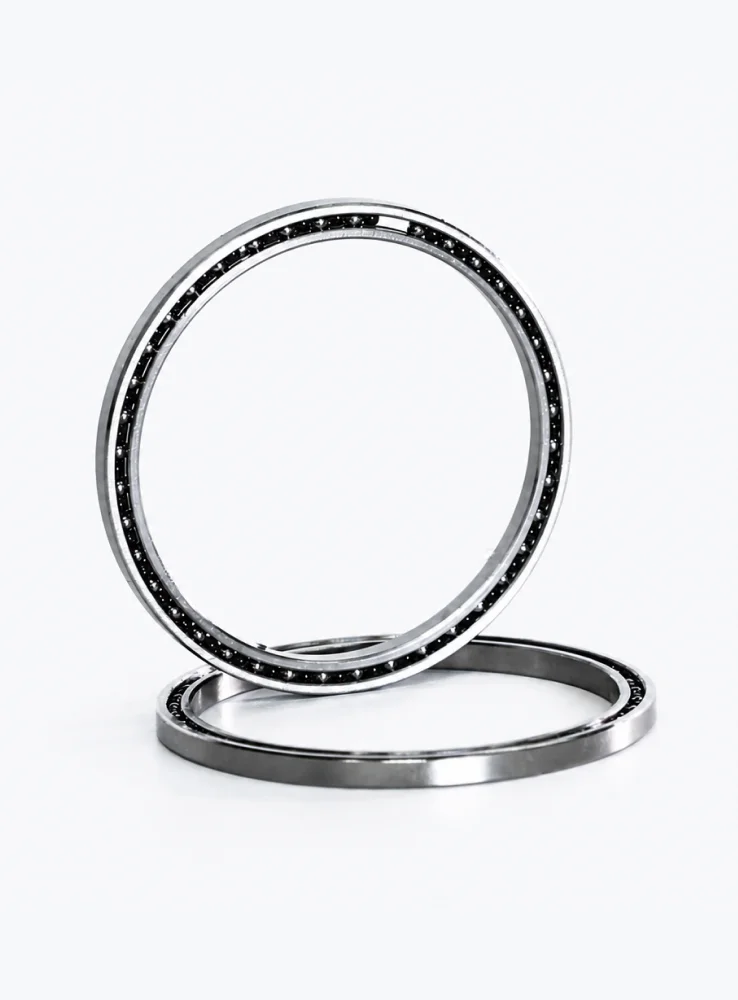
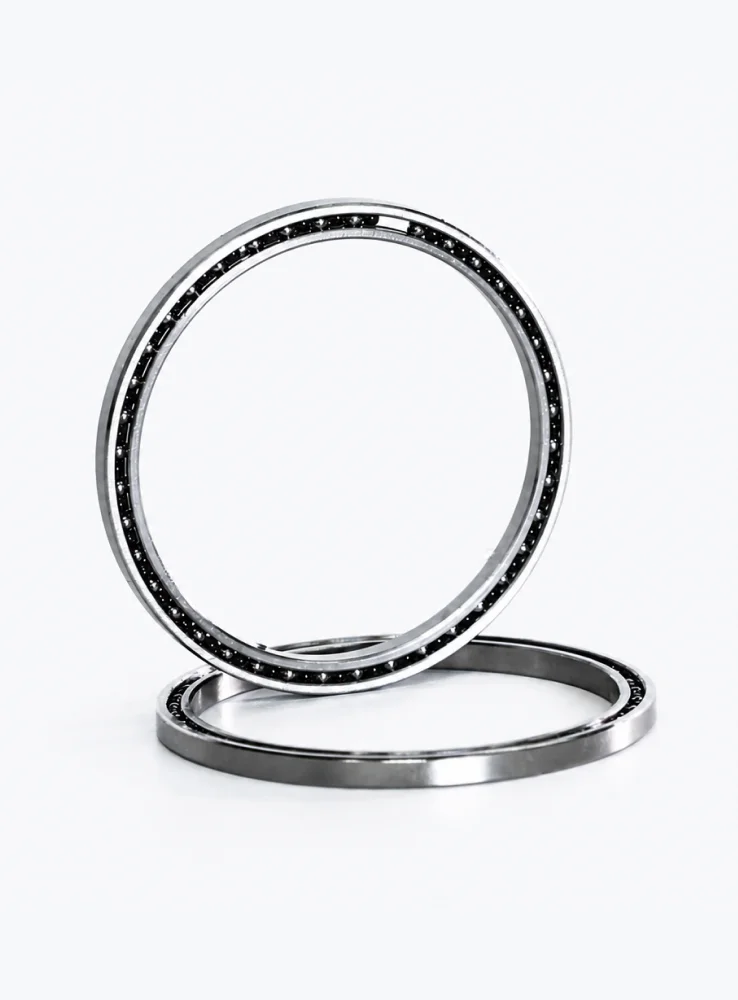
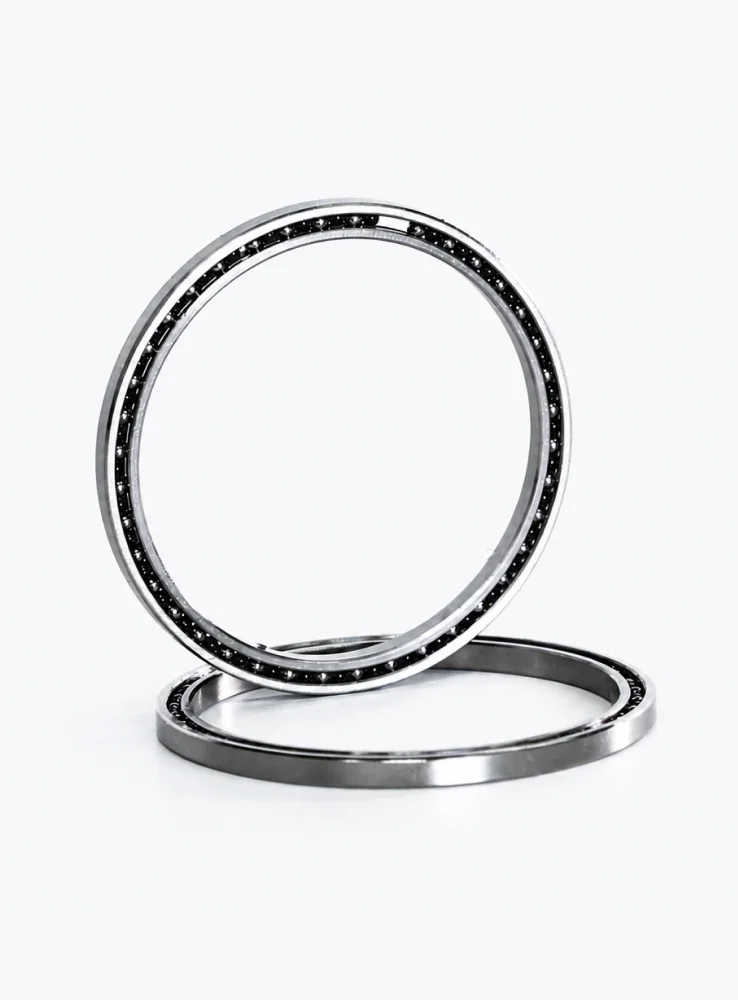
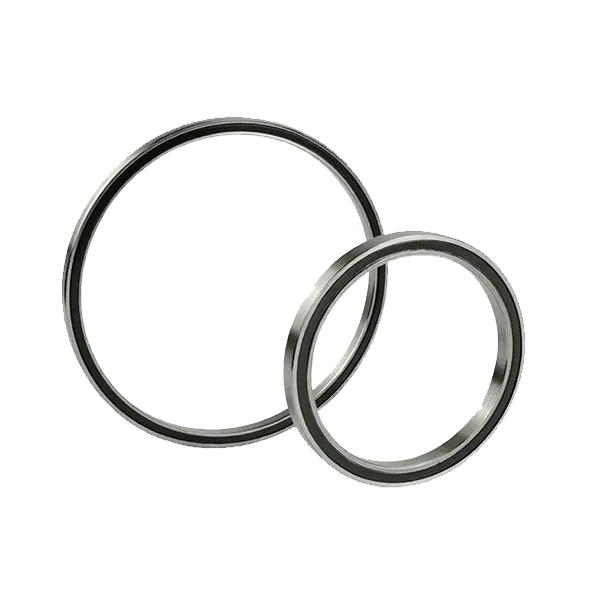
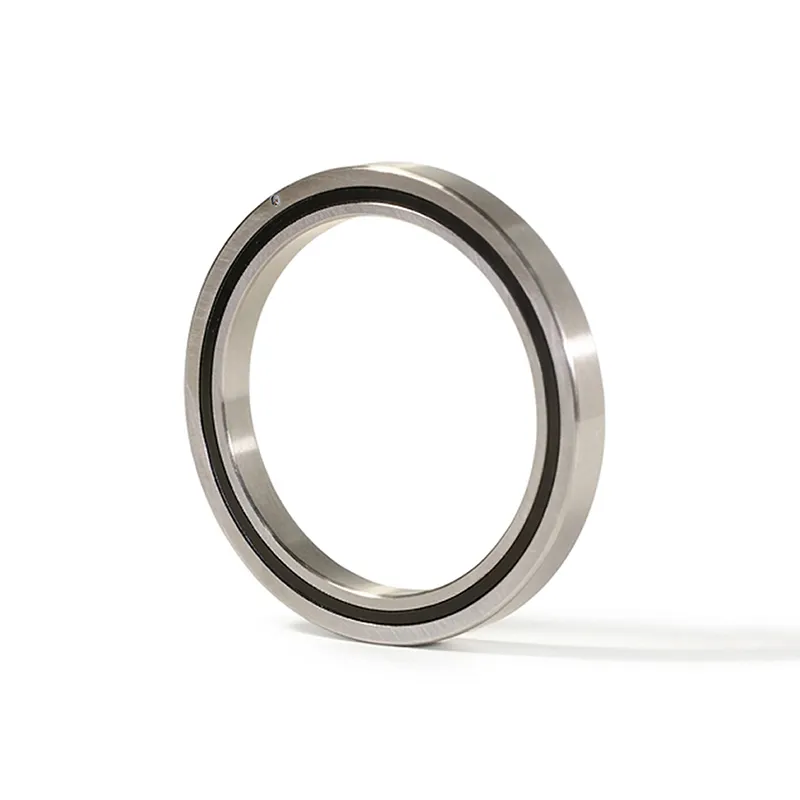
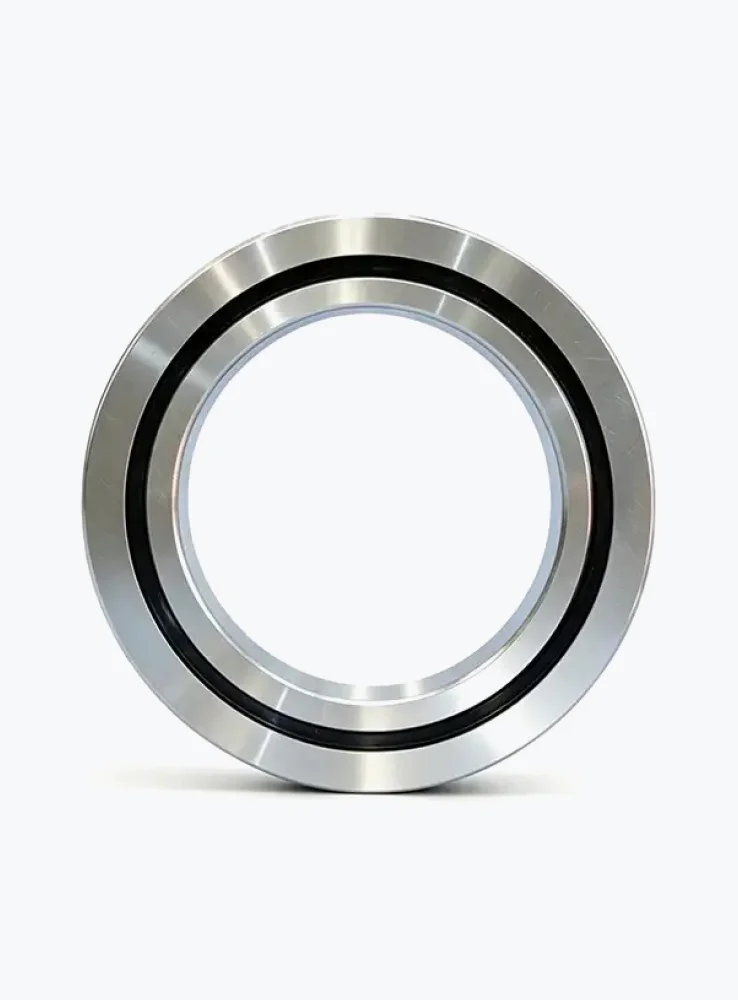
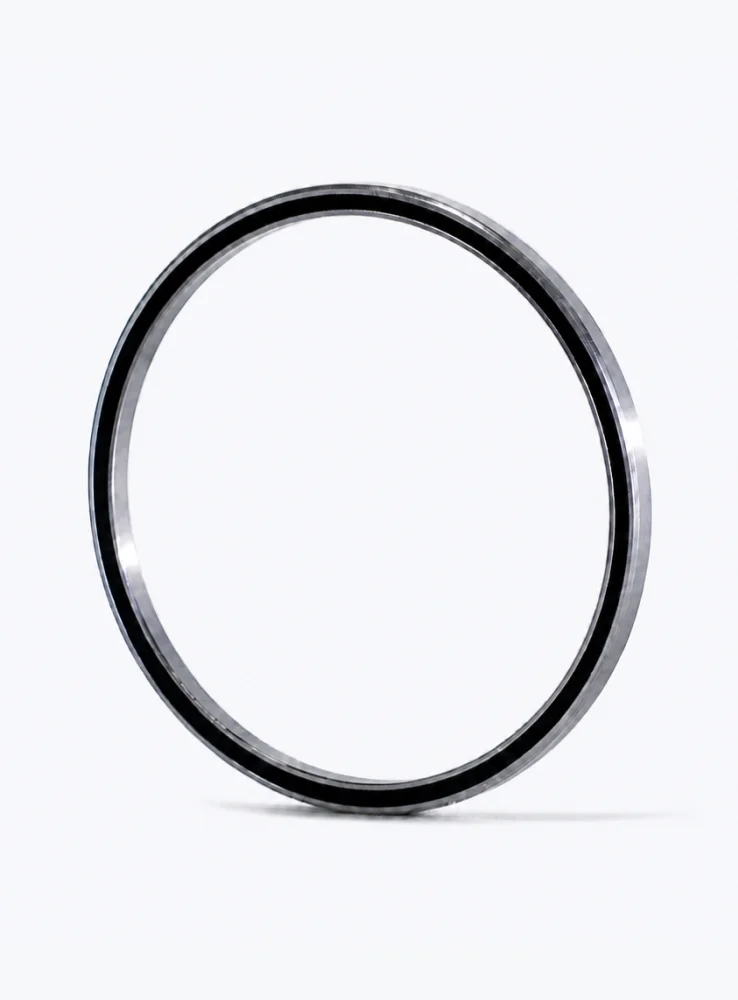
Unlike conventional bearings, thin-section bearings maintain a constant cross-section regardless of bore size. This design significantly reduces weight and space requirements, making them ideal for modern medical equipment where miniaturization is a key design priority.
1. Medical Imaging Equipment
Medical imaging systems such as CT scanners, MRI machines, and X-ray equipment rely heavily on smooth, precise rotational motion. Thin-section bearings enable:
Stable gantry rotation
Reduced vibration for clearer imaging
Long service life with minimal maintenance
By minimizing runout and ensuring consistent motion, these bearings directly contribute to improved diagnostic accuracy and patient safety.
2. Surgical Robotics
Robotic-assisted surgery requires extremely precise, responsive motion control. Thin-section bearings support:
High positional accuracy
Smooth articulation in robotic arms
Compact joint design for enhanced flexibility
Their lightweight nature also reduces inertia, enabling faster response times and more refined movements during complex surgical procedures.
3. Patient Handling Systems
Hospital beds, lifting systems, and rehabilitation equipment require reliable motion components that can withstand repeated use while ensuring patient comfort and safety. Thin-section bearings provide:
Quiet operation for patient-friendly environments
High load capacity relative to size
Durability under continuous operation
These features help manufacturers design ergonomic, dependable patient support systems.
4. Laboratory and Diagnostic Equipment
Devices such as centrifuges, analyzers, and automated testing systems demand consistent rotational performance. Thin-section bearings ensure:
Stable high-speed operation
Reduced maintenance downtime
Accurate sample processing
Their ability to maintain precision over long operational cycles makes them a preferred choice in laboratory environments.
Thin-section bearings are not just compact—they are engineered to solve multiple design challenges simultaneously.
Space Optimization Without Compromise
Medical device manufacturers often face strict size constraints. Thin-section bearings allow designers to reduce overall equipment dimensions without sacrificing load capacity or performance.
Weight Reduction for Enhanced Mobility
Lightweight components are essential for portable and mobile medical devices. By reducing system weight, thin-section bearings improve ease of transport and installation.
Customization for Specialized Requirements
Every medical application has unique requirements. Thin-section bearings can be customized in terms of:
Material selection (including stainless steel for corrosion resistance)
Sealing solutions for contamination control
Lubrication options suitable for clean environments
This flexibility ensures compatibility with stringent medical standards.
Long-Term Reliability
Medical equipment must operate consistently over extended periods. High-quality thin-section bearings are designed with:
Tight manufacturing tolerances
Advanced heat treatment processes
Optimized raceway geometry
These factors contribute to longer service life and reduced total cost of ownership.
Medical device manufacturers must comply with strict regulatory and quality standards. Bearing suppliers play a crucial role in supporting these requirements.
A reliable thin-section bearing manufacturer ensures:
Traceable production processes
Strict quality control systems
Compliance with international standards such as ISO
By partnering with an experienced supplier, medical device companies can reduce risk and accelerate product development cycles.
Choosing the appropriate bearing requires a clear understanding of application demands. Key considerations include:
Load type (radial, axial, or moment load)
Operating speed and precision requirements
Environmental conditions (cleanroom, sterilization exposure, etc.)
Space constraints and integration design
Working closely with a technical team that understands both bearing engineering and medical applications can significantly improve selection accuracy.
As a specialized thin-section bearing manufacturer, we understand the critical role our products play in medical technology. Our engineering team collaborates closely with clients to develop solutions tailored to their specific applications.
We focus on:
Precision manufacturing for high-performance applications
Custom engineering support from design to production
Reliable delivery and consistent product quality
Our bearings are designed to help medical device manufacturers achieve higher precision, improved efficiency, and enhanced product competitiveness.
The future of medical devices lies in smarter, smaller, and more precise systems. Thin-section bearings are a foundational component enabling this evolution.
By integrating advanced bearing solutions into medical equipment, manufacturers can:
Improve diagnostic accuracy
Enhance surgical outcomes
Increase equipment reliability
Reduce operational costs
As the healthcare industry continues to innovate, the importance of high-quality mechanical components will only grow.
Thin-section bearings are more than just mechanical components—they are enablers of innovation in the medical device industry. Their ability to combine precision, compactness, and reliability makes them an ideal choice for a wide range of medical applications.
For manufacturers seeking to improve performance, reduce size, and enhance product value, selecting the right thin-section bearing partner is a critical step toward success.