Home- Application-UAV Industry
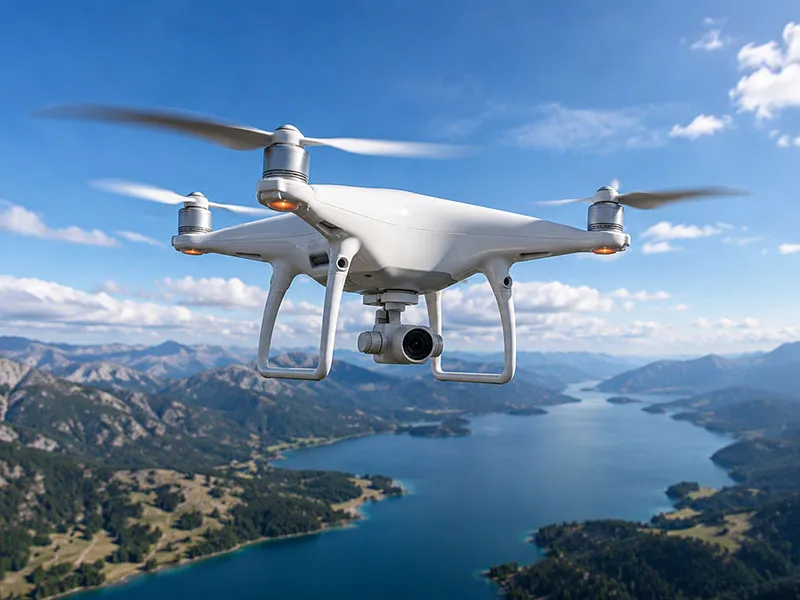
As unmanned aerial vehicles (UAVs) continue to evolve toward lighter structures, longer endurance and higher flight precision, bearing performance has become increasingly important in overall aircraft reliability. Thin-section bearings are now widely used in drone platforms because they help engineers reduce structural weight while maintaining rotational accuracy, stability and durability under demanding operating conditions.
For UAV manufacturers, every gram matters. A lighter mechanical structure directly contributes to improved flight efficiency, extended battery life and better payload capacity. Thin-section bearings provide an effective solution by combining compact dimensions with excellent load performance, making them ideal for modern drone systems.
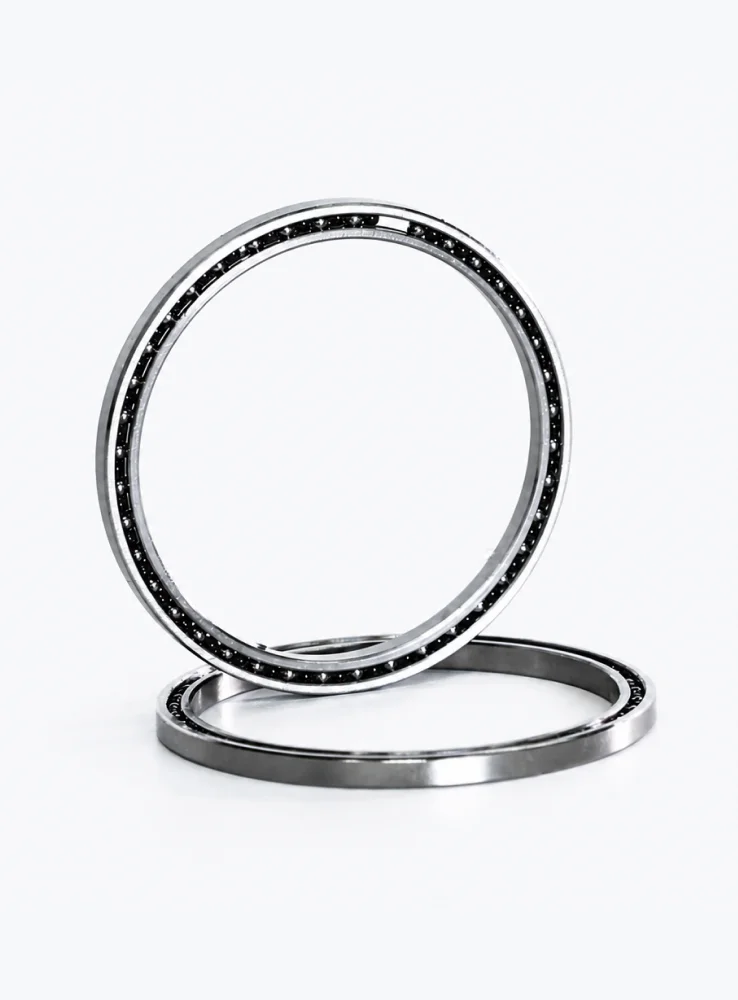
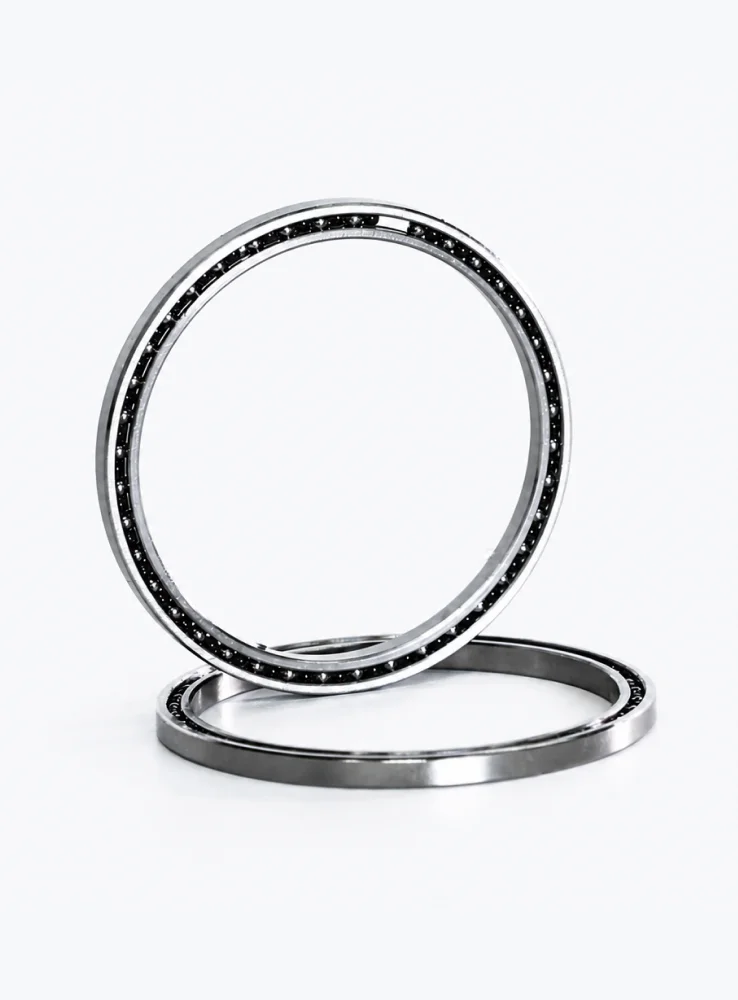
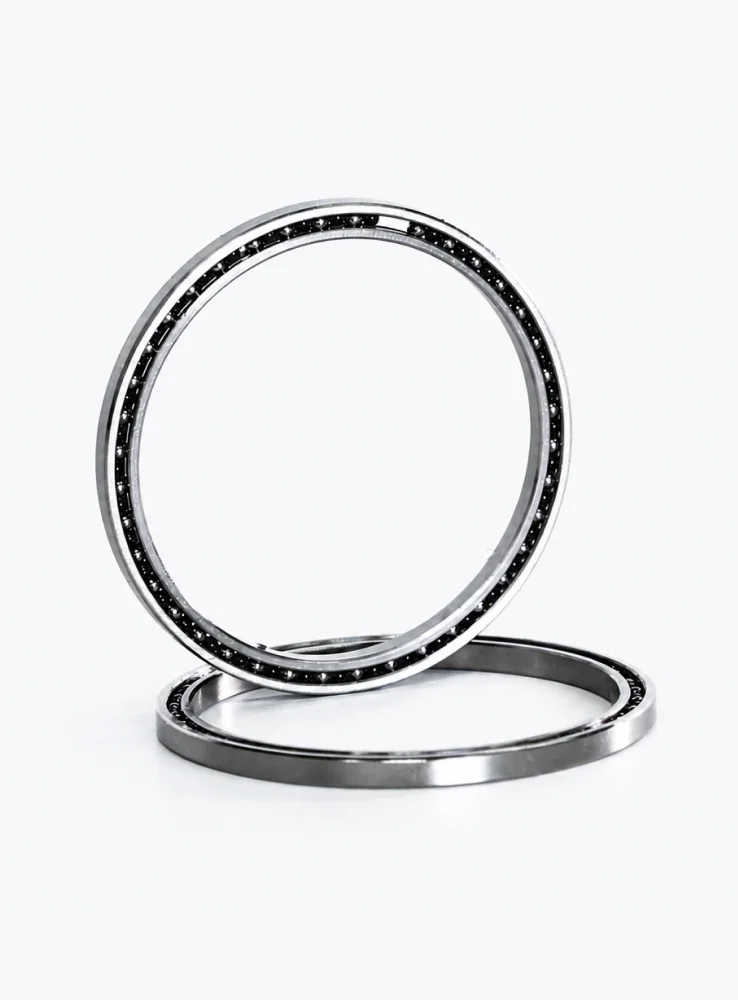
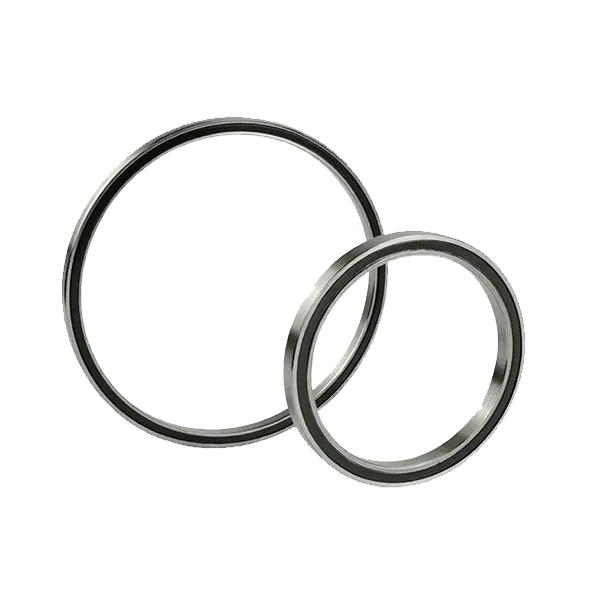
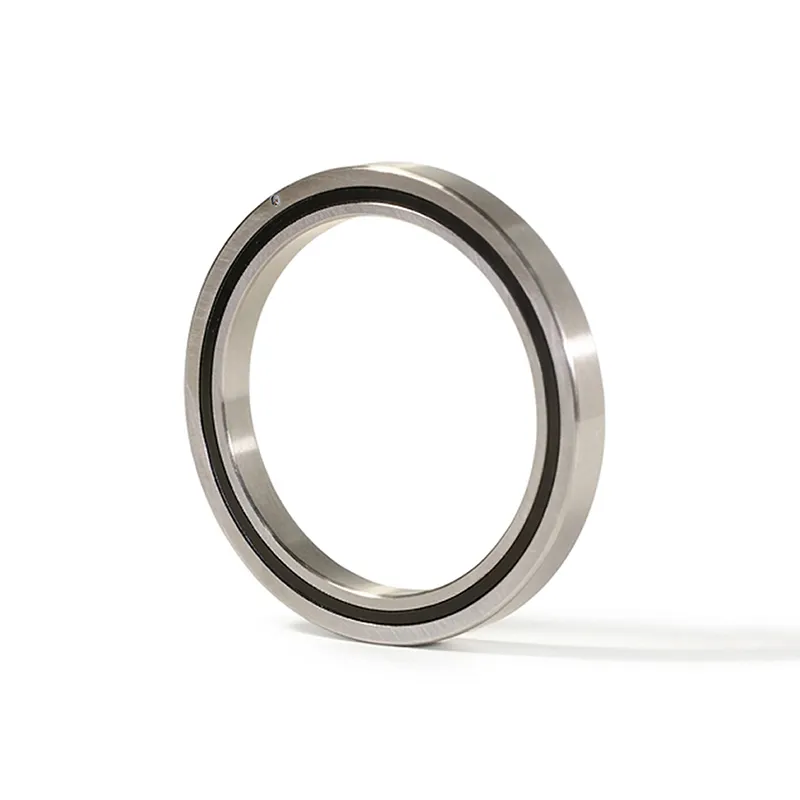
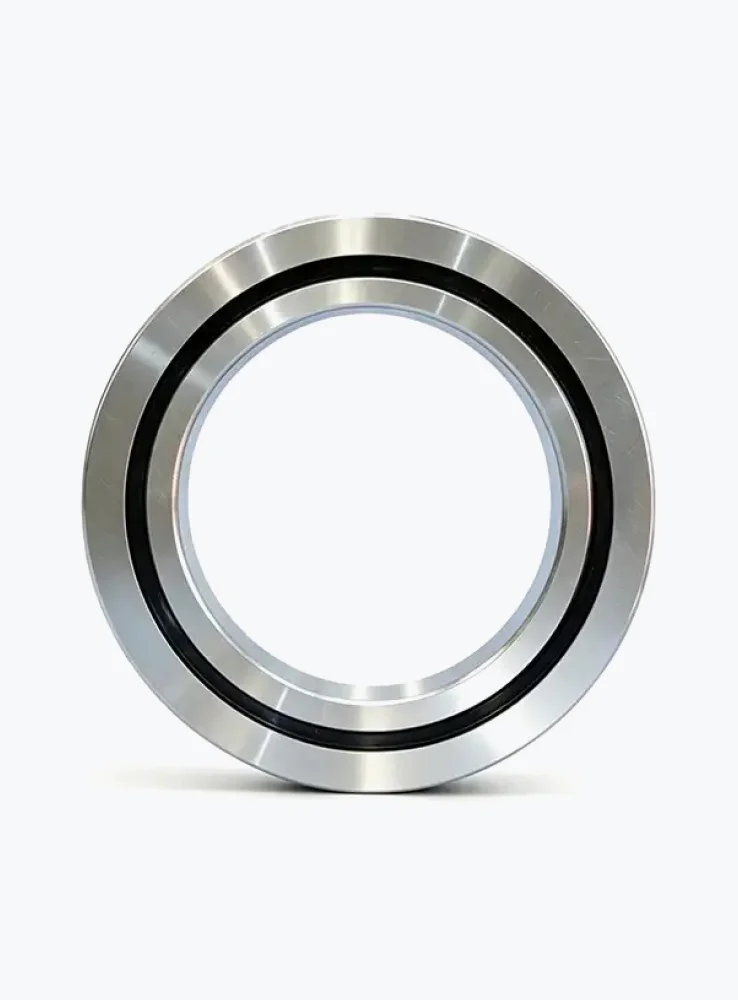
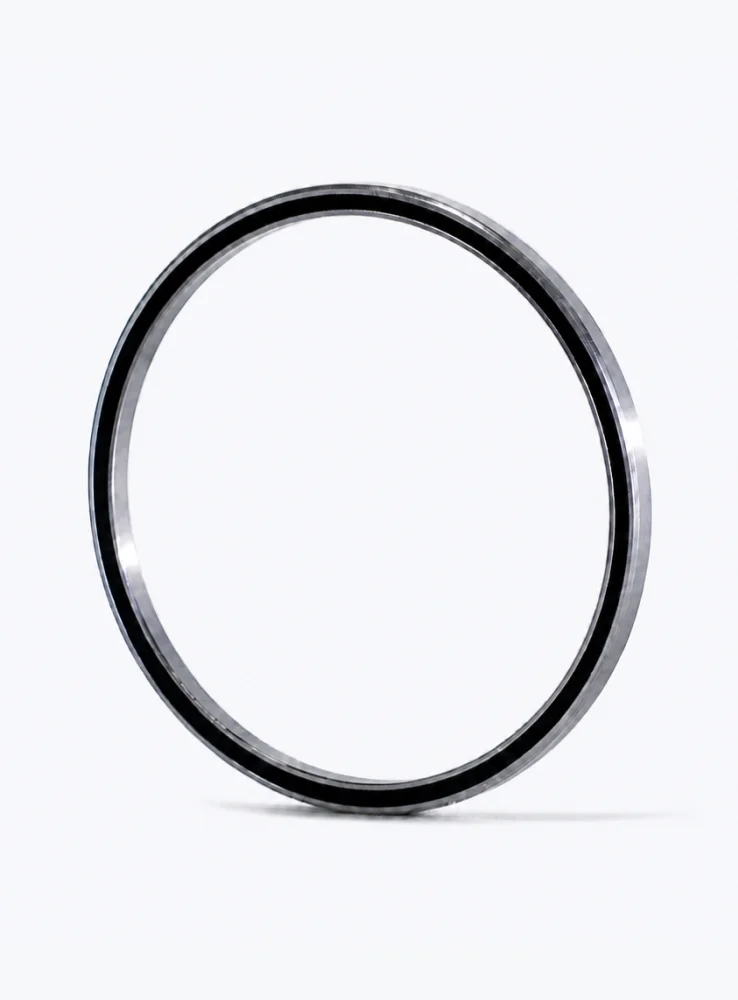
Traditional bearings often occupy excessive installation space and add unnecessary weight to compact drone assemblies. In contrast, thin-section bearings feature a reduced cross-sectional profile while maintaining relatively large bore diameters. This design allows UAV engineers to optimize internal layouts without sacrificing mechanical strength.
In drone applications, thin-section bearings are commonly used in:
Gimbal stabilization systems
Flight control mechanisms
Propulsion and motor assemblies
Radar and optical imaging equipment
Servo systems and robotic joints
Folding arm structures
Antenna rotation platforms
Because UAVs frequently operate under vibration, high rotational speed and changing environmental conditions, bearings must deliver consistent performance over long service periods. Thin-section bearings are especially suitable for these requirements due to their lightweight construction, low friction characteristics and smooth rotational accuracy.
Lightweight Structure for Improved Flight Efficiency
Drone manufacturers constantly seek ways to reduce total aircraft weight. Thin-section bearings significantly lower the weight of rotating assemblies compared with conventional bearings. This reduction helps improve energy efficiency and contributes to longer flight duration.
For battery-powered UAVs, reducing mechanical weight can directly increase operational range and payload flexibility.
Compact Design for Space Optimization
Modern drones integrate cameras, sensors, communication modules and navigation systems into increasingly smaller platforms. Thin-section bearings help maximize usable internal space by minimizing bearing cross-section dimensions.
This compact design enables engineers to simplify structural layouts and create more streamlined UAV systems.
High Rotational Accuracy and Stability
Many UAV applications rely on precise rotational motion. Imaging systems, surveillance equipment and stabilization gimbals require smooth and accurate operation to maintain image clarity and positioning precision.
High-quality thin-section bearings provide:
Low running noise
Minimal vibration
Stable rotational torque
Excellent repeatability
These characteristics are essential for aerial photography, mapping drones and military surveillance platforms.
Excellent High-Speed Performance
Drone motors and gimbal systems often operate at high rotational speeds. Thin-section bearings are designed to support smooth high-speed operation while reducing heat generation and friction loss.
Advanced raceway processing and optimized internal geometry help maintain stable performance during continuous operation.
Corrosion Resistance and Environmental Adaptability
UAVs may operate in humid coastal areas, deserts, cold climates or high-altitude environments. Bearing materials and lubrication systems therefore play a critical role in long-term reliability.
Depending on the application environment, thin-section bearings can be manufactured using:
Stainless steel materials
Hybrid ceramic ball designs
Corrosion-resistant coatings
Special aerospace-grade lubricants
These solutions help improve resistance to moisture, dust and temperature fluctuations.
Different UAV structures require different bearing configurations. Common thin-section bearing designs include:
Deep Groove Thin-Section Bearings
These bearings are suitable for high-speed rotation and light radial loads. They are widely used in compact drone motors and auxiliary rotating components.
Angular Contact Thin-Section Bearings
Angular contact designs support combined radial and axial loads simultaneously. They are commonly applied in gimbal systems and precision positioning mechanisms.
Four-Point Contact Thin-Section Bearings
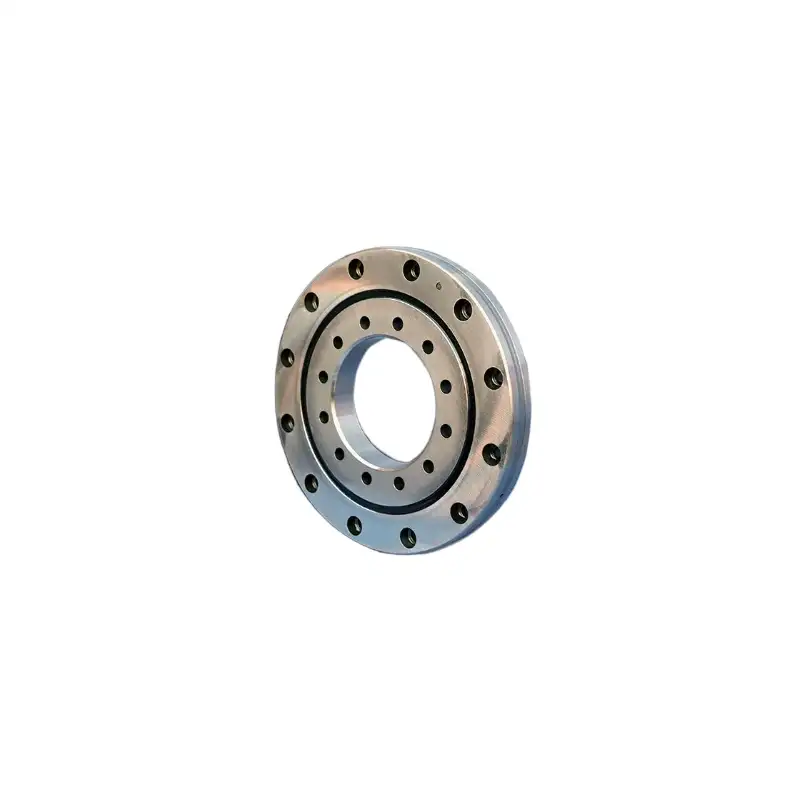
These bearings can support axial loads in both directions while maintaining compact dimensions. They are ideal for rotating platforms and radar equipment.
Hybrid Ceramic Thin-Section Bearings
Ceramic ball bearings provide lower friction, higher speed capability and improved corrosion resistance. They are increasingly used in high-end UAV and aerospace applications.
Material selection directly affects UAV bearing performance and service life. Manufacturers generally evaluate several factors before choosing suitable bearing materials:
Rotational speed
Load requirements
Weight limitations
Environmental exposure
Corrosion resistance needs
Maintenance intervals
For high-performance drones, hybrid ceramic bearings are becoming more popular because they combine lightweight properties with outstanding wear resistance and thermal stability.
Standard bearing products may not always meet the complex structural requirements of advanced UAV systems. Many drone manufacturers therefore require customized thin-section bearing solutions tailored to their equipment specifications.
Customized solutions may include:
Non-standard dimensions
Special sealing structures
Lightweight cage materials
Precision preload adjustment
Customized lubrication systems
Ultra-low noise processing
Aerospace-grade surface treatment
Engineering support during the early design stage can also help optimize overall UAV performance and reduce future maintenance risks.
The UAV industry demands extremely high reliability standards. Bearing failure during flight may cause equipment damage, mission interruption or safety risks. For this reason, professional bearing manufacturers implement strict quality control procedures throughout production.
Reliable thin-section bearing suppliers typically provide:
Precision machining inspection
Material traceability
Rotational accuracy testing
Noise and vibration analysis
Fatigue life verification
High-speed performance testing
Corrosion resistance evaluation
A stable quality management system helps ensure consistent bearing performance across different UAV applications.
As the drone industry continues to expand into logistics, agriculture, inspection, mapping and defense sectors, bearing technology is also evolving rapidly.
Future thin-section bearing development trends may include:
Lighter composite materials
Smarter self-monitoring bearing systems
Higher rotational efficiency
Extended maintenance-free operation
Improved resistance to extreme environments
Greater integration with autonomous flight systems
Manufacturers that invest in precision engineering and customized UAV bearing solutions will remain competitive in this fast-growing industry.
Thin-section bearings have become a critical component in modern UAV systems because they support lightweight design, compact structures and high-precision rotational performance. Their ability to reduce weight while maintaining durability and stability makes them highly suitable for advanced drone applications.
With continuous improvements in materials, manufacturing processes and customization capabilities, thin-section bearing solutions will continue to play an important role in the future development of the UAV industry. Companies that prioritize bearing quality, reliability and engineering support can help UAV manufacturers achieve higher flight performance, longer service life and greater operational efficiency.